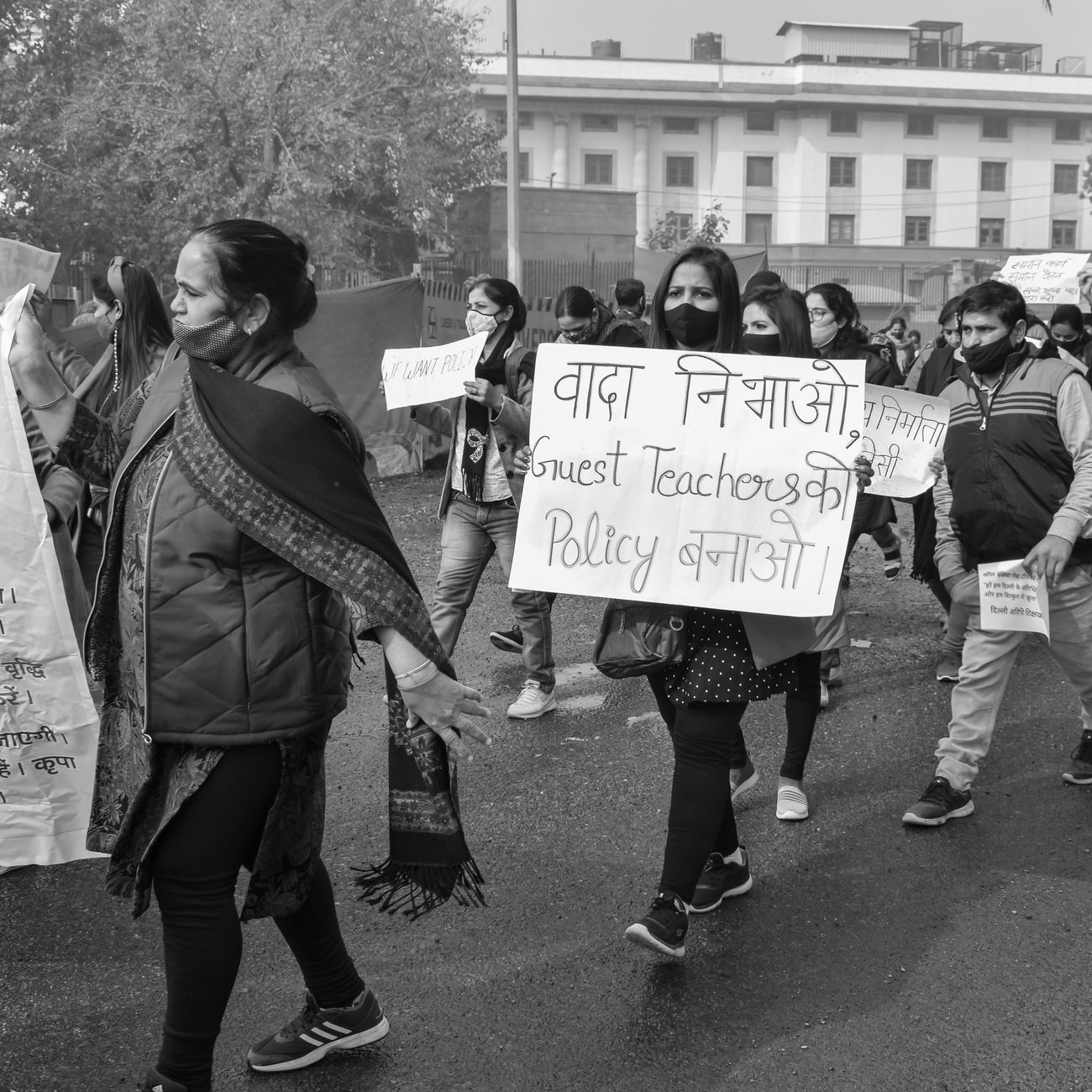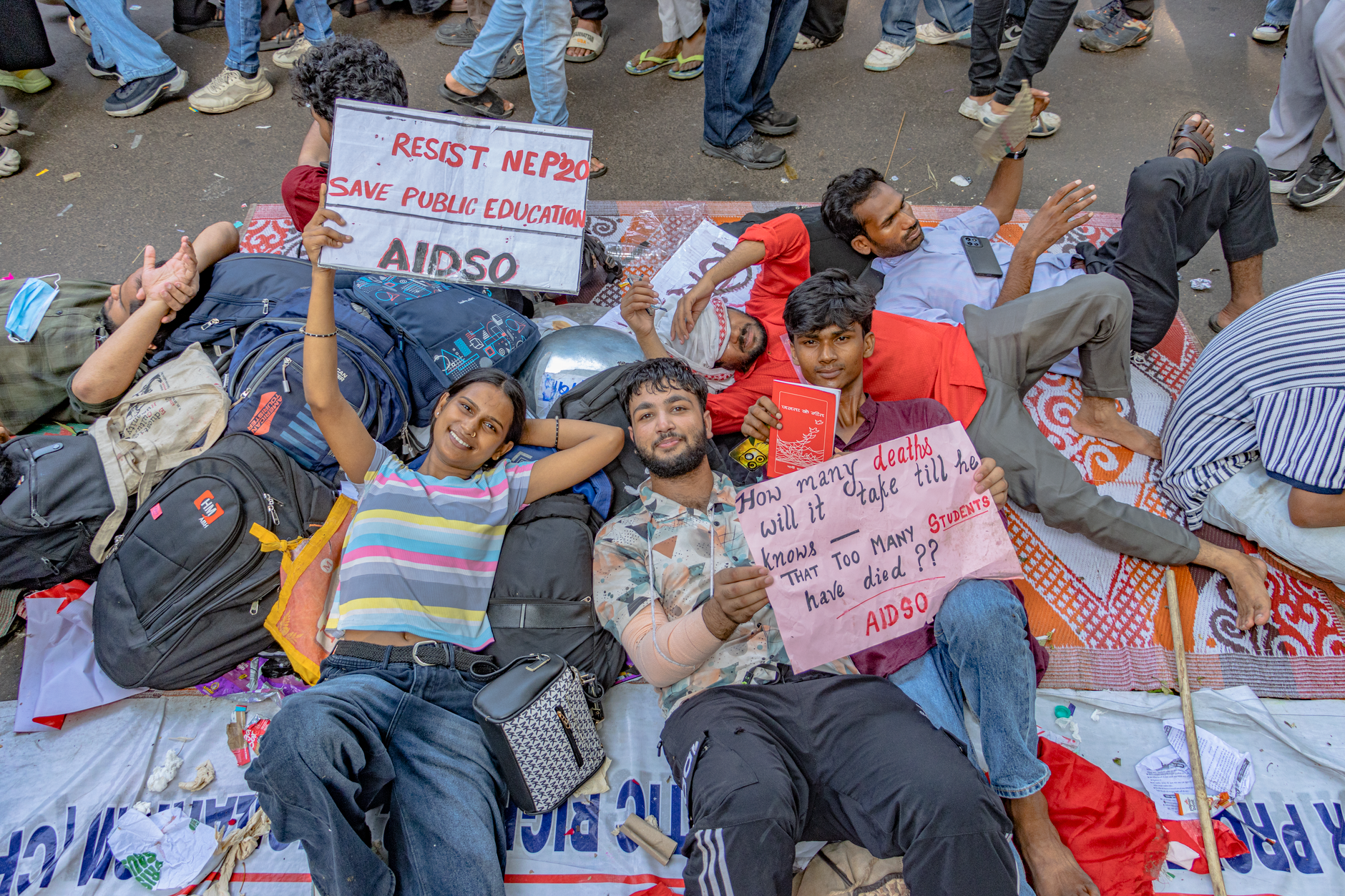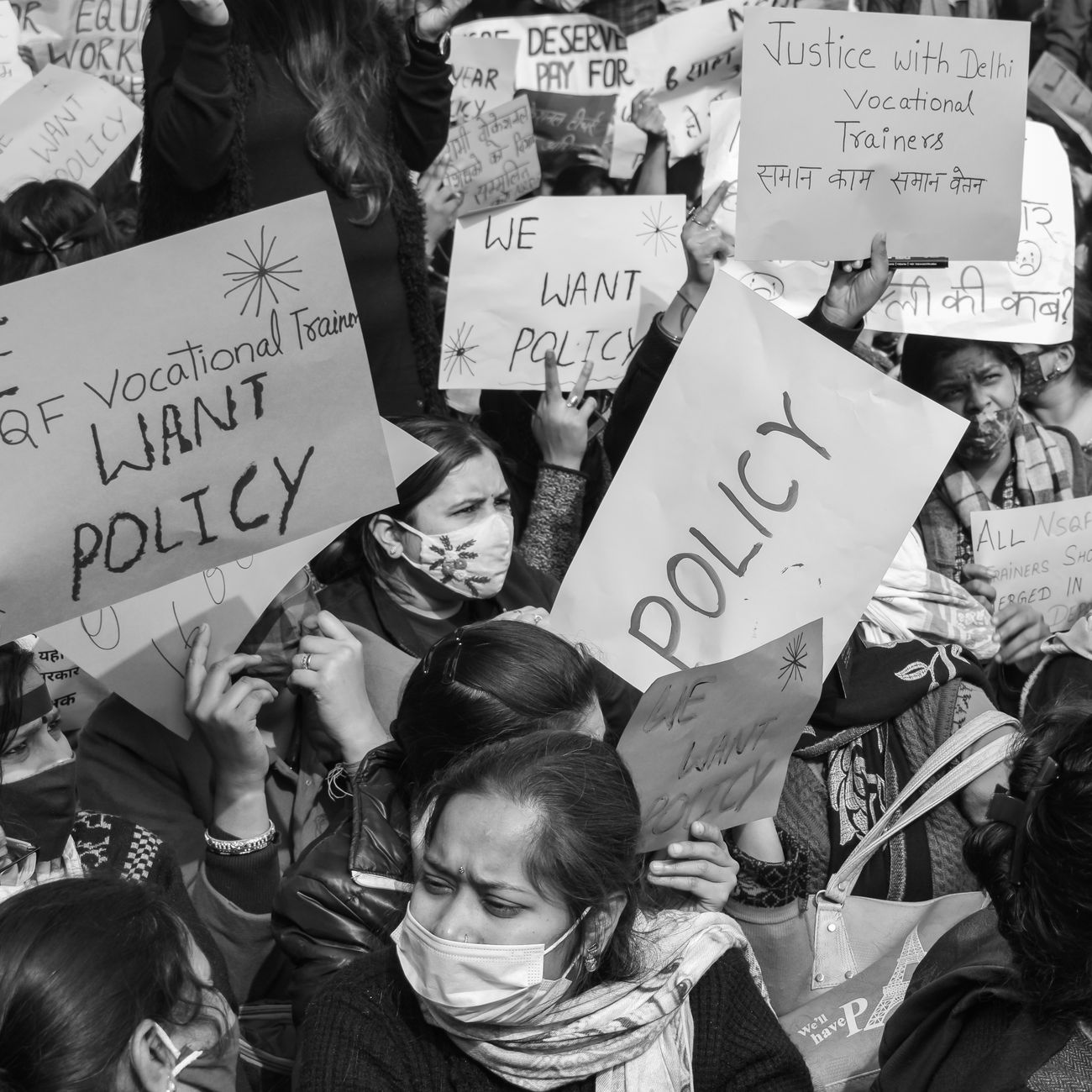
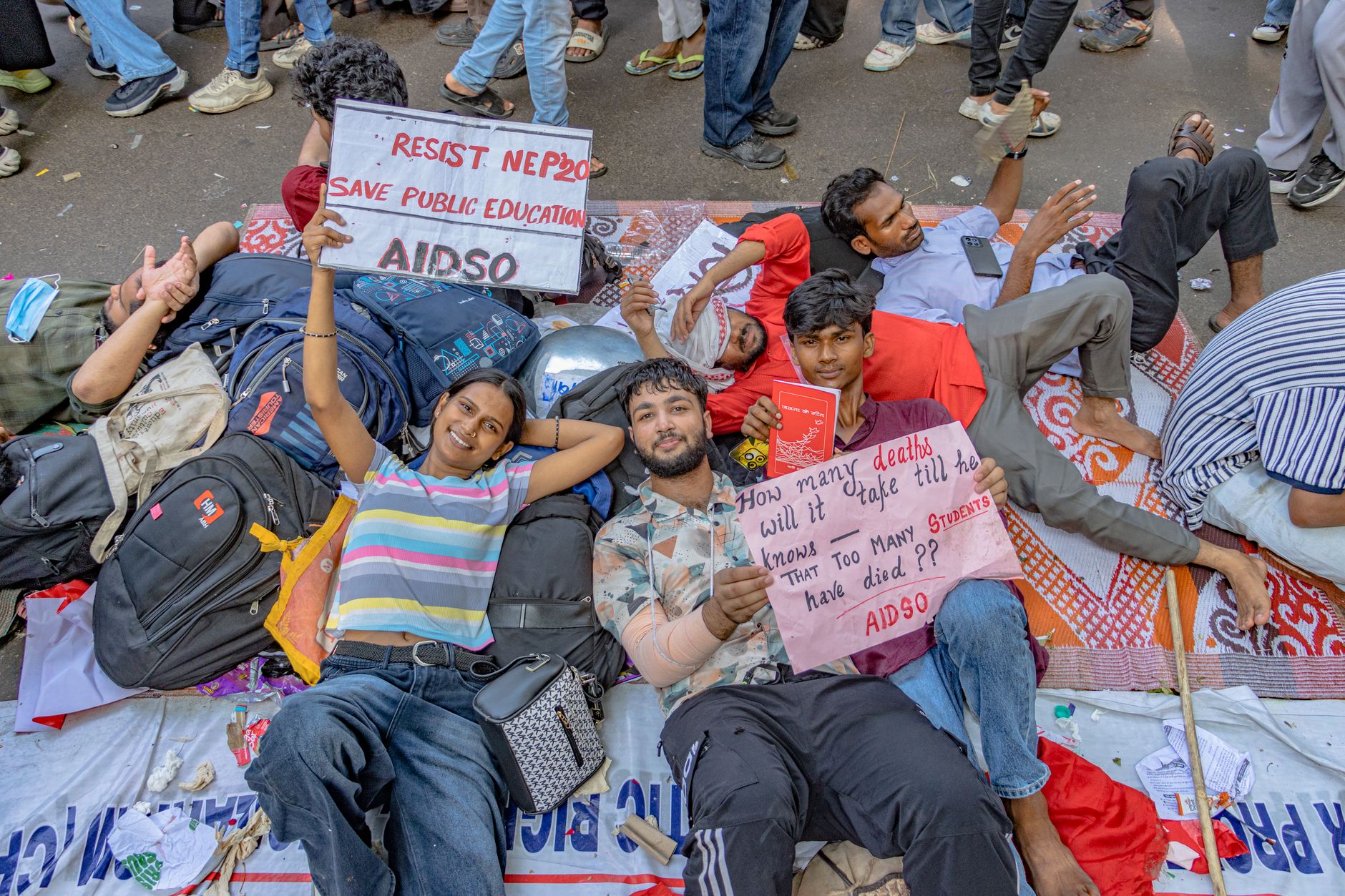
India is witnessing an unusual form of youth activism that has caught the attention of political observers and policymakers alike. The so-called 'Cockroach' movement, emerging from college campuses and unemployment queues across the country, represents a growing discontent among educated young Indians who feel left behind despite the nation's economic progress.
Origins of an Unconventional Name
The movement's provocative name stems from students' self-description as resilient survivors in a system that seems designed to crush them. Much like cockroaches that persist despite adversity, these young protesters argue they continue to struggle and adapt despite limited opportunities, rising education costs, and a competitive job market that cannot absorb India's educated youth.
The moniker also reflects a deeper frustration with how they perceive themselves to be viewed by society and government—as disposable, numerous, and unworthy of individual attention. This stark self-characterization has resonated widely on social media platforms, where the movement has gained significant traction among millennials and Gen-Z Indians.
The Education-Employment Gap
At the heart of this movement lies a fundamental disconnect between India's education system and employment realities. Each year, millions of graduates emerge from universities with degrees that often fail to translate into meaningful employment. According to various employment surveys, a significant portion of India's youth remains either unemployed or underemployed, despite possessing formal qualifications.
The protesters highlight several systemic issues:
- Outdated curricula that fail to match industry requirements
- Overemphasis on rote learning rather than practical skills
- Insufficient investment in quality educational infrastructure
- Limited seats in premier institutions forcing students into expensive private alternatives
- Rising education loan burden with uncertain job prospects
This disconnect becomes particularly painful for students from middle-class and lower-income families who invest heavily in education, viewing it as the primary pathway to upward mobility.
Political Implications for the Modi Government
The movement poses a political challenge for the current administration, which has consistently highlighted India's demographic dividend—the advantage of having a large working-age population—as a key driver for future growth. If this demographic asset feels disenfranchised and hopeless, it transforms from an advantage into a potential liability.
The government has launched several initiatives aimed at skill development and entrepreneurship, including programs focused on vocational training and startup support. However, critics argue these efforts remain insufficient given the scale of the challenge. India needs to create millions of jobs annually to accommodate new entrants into the workforce, a target that has proven consistently difficult to meet.
Beyond Employment: Broader Grievances
While jobs remain the primary concern, the movement has evolved to encompass broader educational reforms. Protesters demand more transparent admission processes, reduction in education costs, greater accountability from universities regarding placement records, and reform of competitive examination systems that create immense psychological pressure.
The mental health crisis among students has also become a rallying point. High-pressure examination systems, uncertain futures, and intense competition have contributed to rising anxiety and depression among young Indians, with some campuses reporting concerning rates of student distress.
Social Media Amplification
The movement has leveraged social media effectively, with hashtags and viral content spreading awareness far beyond traditional protest methods. This digital-first approach allows geographically dispersed students to coordinate, share experiences, and maintain pressure on institutions and policymakers.
The online nature of the movement also makes it difficult to suppress or ignore, as conversations continue across multiple platforms and in various regional languages, creating a broad coalition of concerned youth.
Looking Ahead
The Cockroach movement represents more than temporary student unrest. It reflects deeper anxieties about India's development model and whether economic growth is translating into opportunities for ordinary citizens, particularly the young and educated who were promised prosperity in exchange for educational investment.
How the government responds to these concerns—whether through substantive policy reform or dismissive rhetoric—will likely influence not just education policy but also the political engagement of an entire generation. As India positions itself as a rising global power, addressing the aspirations and frustrations of its youth remains critical to sustainable development.
The movement serves as a reminder that demographic dividends only materialize when young populations are productively employed and hopeful about their futures. Without addressing these fundamental concerns about education quality and employment opportunities, India risks squandering its most valuable resource—its young people.