In a dramatic turn of events that underscores the power of student activism in India, widespread protests over examination irregularities have culminated in the resignation of the Union Education Minister. The demonstrations, which gained national attention through their symbolic use of cockroach imagery, highlight growing frustrations with the country's competitive examination system and demands for greater accountability in educational governance.
Background of the Protests
The protests erupted following allegations of paper leaks and irregularities in the National Eligibility cum Entrance Test (NEET), a crucial examination that determines admission to medical and dental colleges across India. NEET is taken by millions of aspirants annually, making it one of the most competitive and high-stakes examinations in the country. Any irregularities in such exams can derail the dreams and futures of countless students who invest years of preparation.
The "cockroach protest" gained its unusual name from demonstrators' creative use of symbolism to express their grievances. Students argued that corruption and mismanagement in the examination system had become as pervasive and difficult to eradicate as cockroaches, drawing attention to systemic issues rather than isolated incidents.
The Scale of the Problem
Paper leaks and examination fraud have plagued India's education system for years, affecting various competitive exams from school-level boards to professional entrance tests. These irregularities undermine the merit-based system that millions of students rely upon for educational and career advancement. When leaks occur, they create an uneven playing field where honest students are disadvantaged compared to those who may have gained access to questions beforehand.
The NEET controversy particularly struck a nerve because medical education is highly sought after in India, with only a limited number of seats available in government medical colleges. Families often invest significant financial resources in coaching and preparation, making any compromise in examination integrity a matter of serious concern.
Student Mobilization and Response
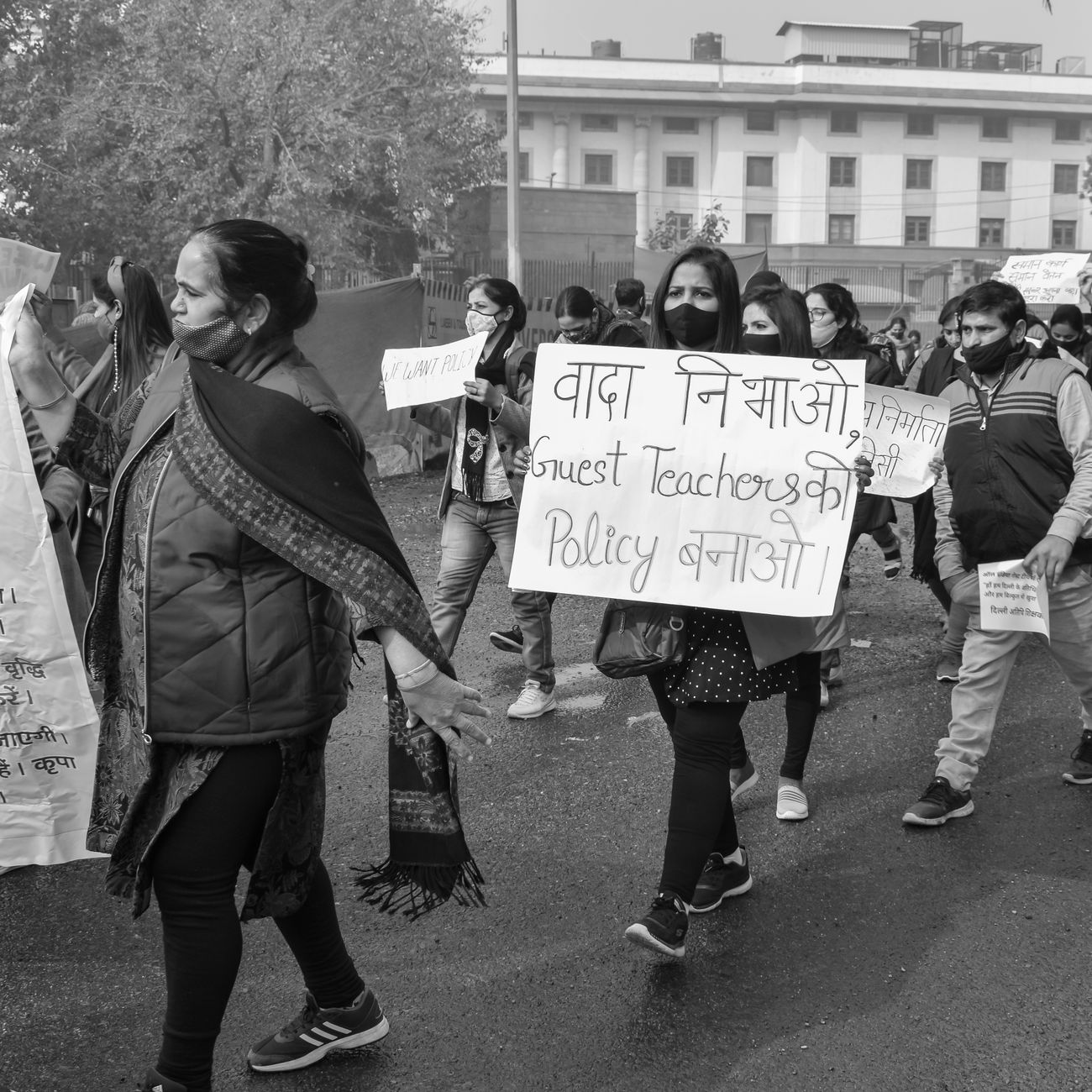
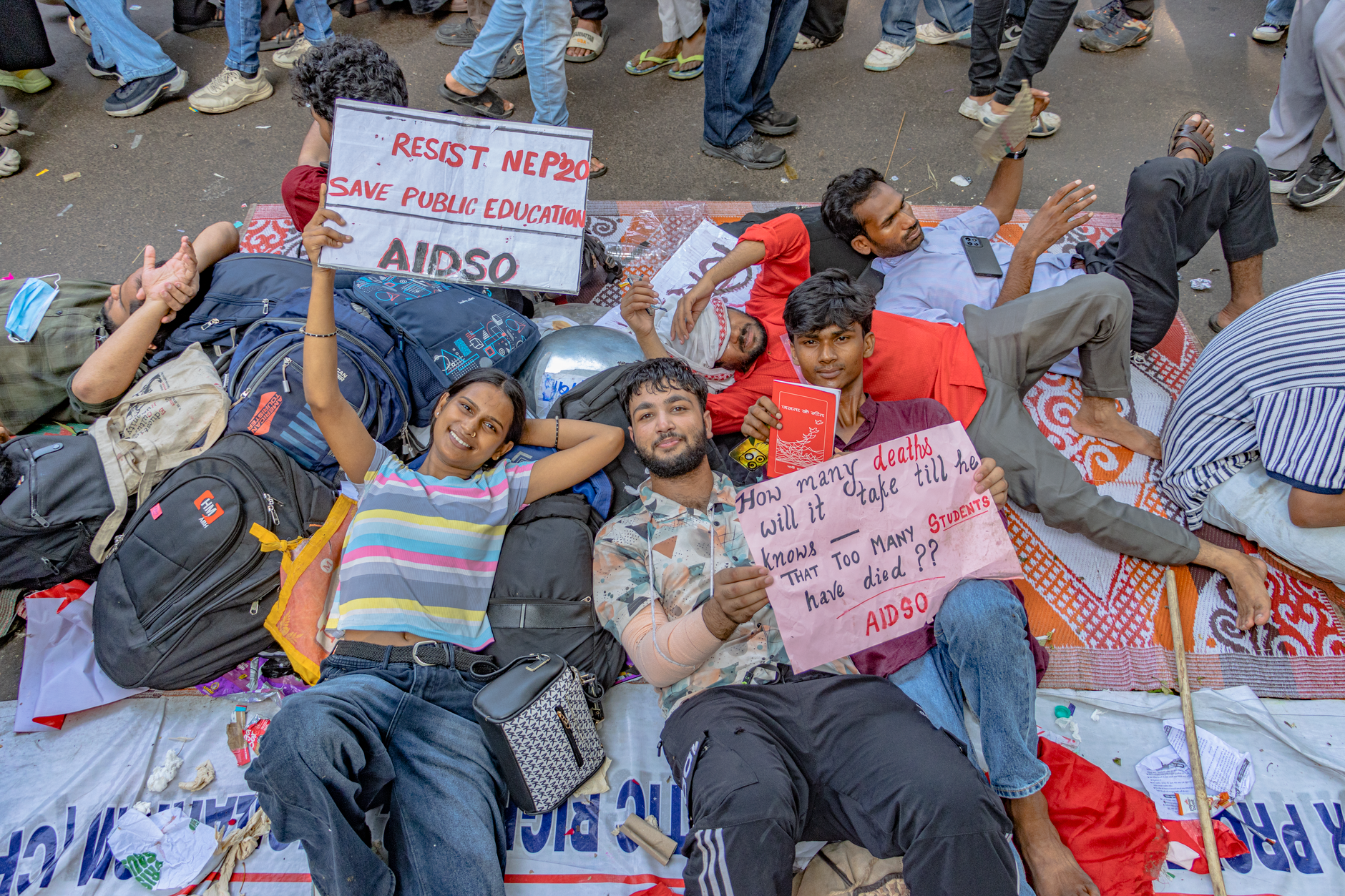
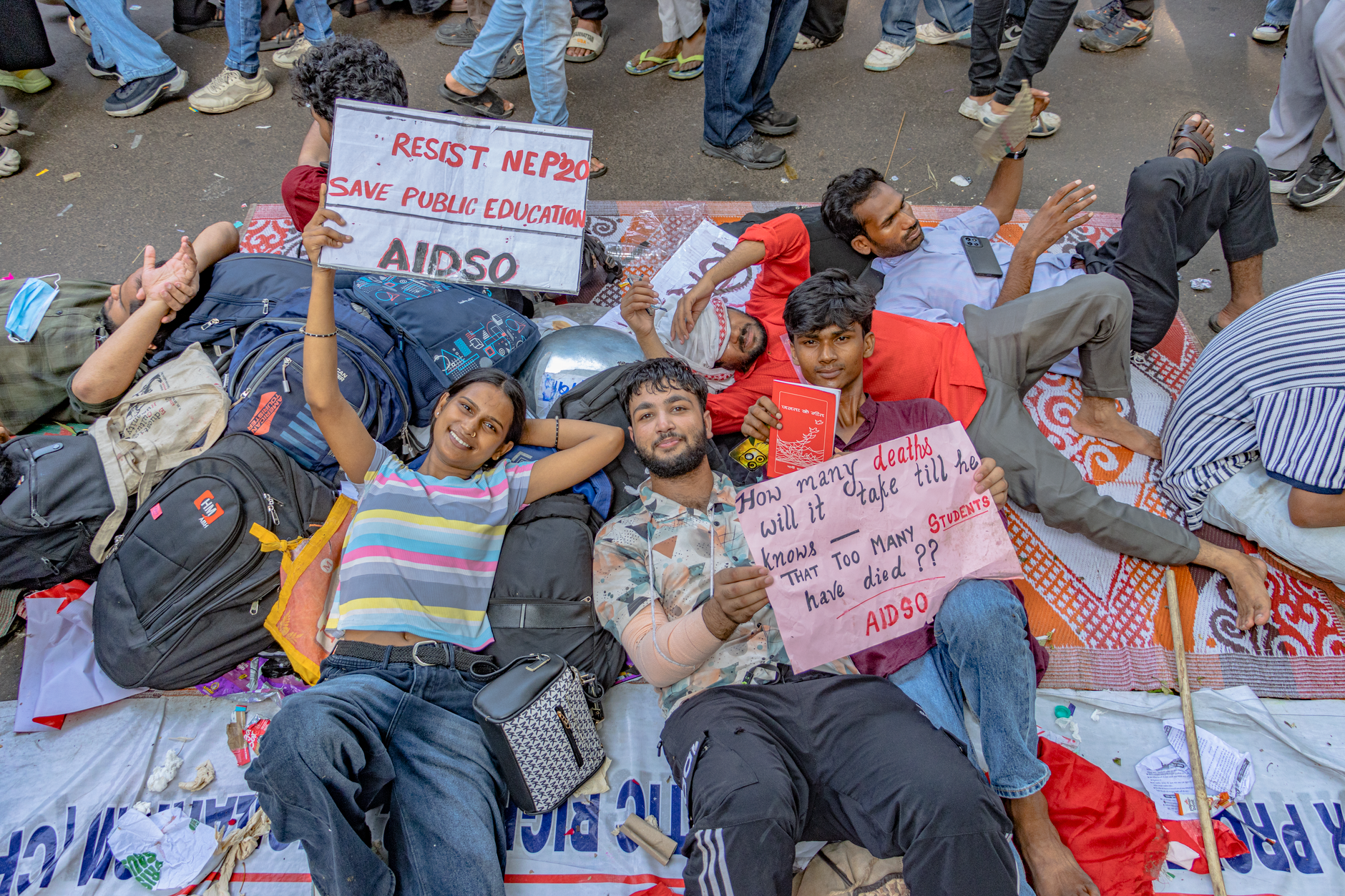
The protests saw participation from students, parents, and civil society organizations across multiple cities. Demonstrators demanded not only accountability for the specific examination irregularities but also comprehensive reforms to prevent future occurrences. The movement gained momentum through social media, with hashtags and online campaigns amplifying student voices and drawing national attention to their concerns.
The Chief Justice of India's involvement, as suggested by the headline reference to CJP (Chief Justice of Pakistan or Chief Judicial Person), indicates that the matter may have also reached judicial forums, with petitions likely filed seeking investigation and relief for affected students.
Implications of the Minister's Resignation
The Education Minister's resignation represents a significant acknowledgment of accountability at the highest levels of educational administration. This development sends a strong message that officials can be held responsible for systemic failures in their portfolios, even if they may not be directly involved in the irregularities themselves.
However, resignation alone does not solve the underlying problems. The incident raises important questions about the robustness of examination security protocols, the role of third-party agencies involved in conducting these tests, and the need for technological solutions to prevent future breaches.
Path Forward for Education Reform
Moving beyond this immediate crisis requires comprehensive reforms. These may include implementing better security measures for question paper handling, increasing transparency in examination processes, establishing independent oversight bodies, and modernizing examination systems with technology that reduces human intervention points where corruption can occur.
The government will need to rebuild trust with students and parents by demonstrating concrete actions to address systemic vulnerabilities. This includes conducting thorough investigations into the alleged irregularities, taking action against those responsible, and providing fair solutions for students affected by compromised examinations.
Broader Impact on Governance
This episode reflects a broader trend in Indian democracy where citizens, particularly youth, are increasingly willing to mobilize for accountability and transparency. The success of the protests in achieving their immediate objective may embolden other movements seeking reforms in different sectors.
The incident also highlights the critical importance of educational integrity in a country where competitive examinations serve as gatekeepers to social and economic mobility for millions of aspirants from diverse backgrounds.