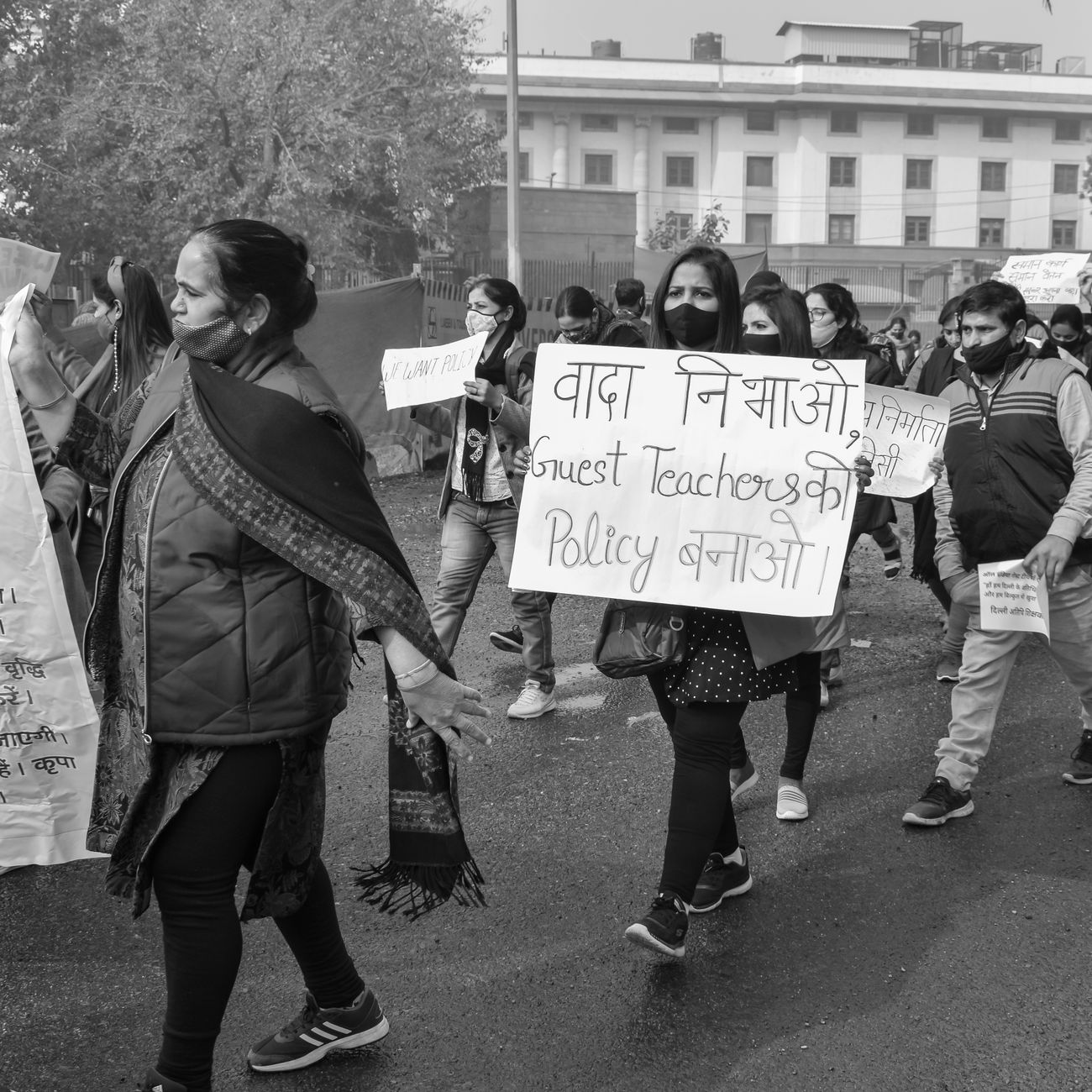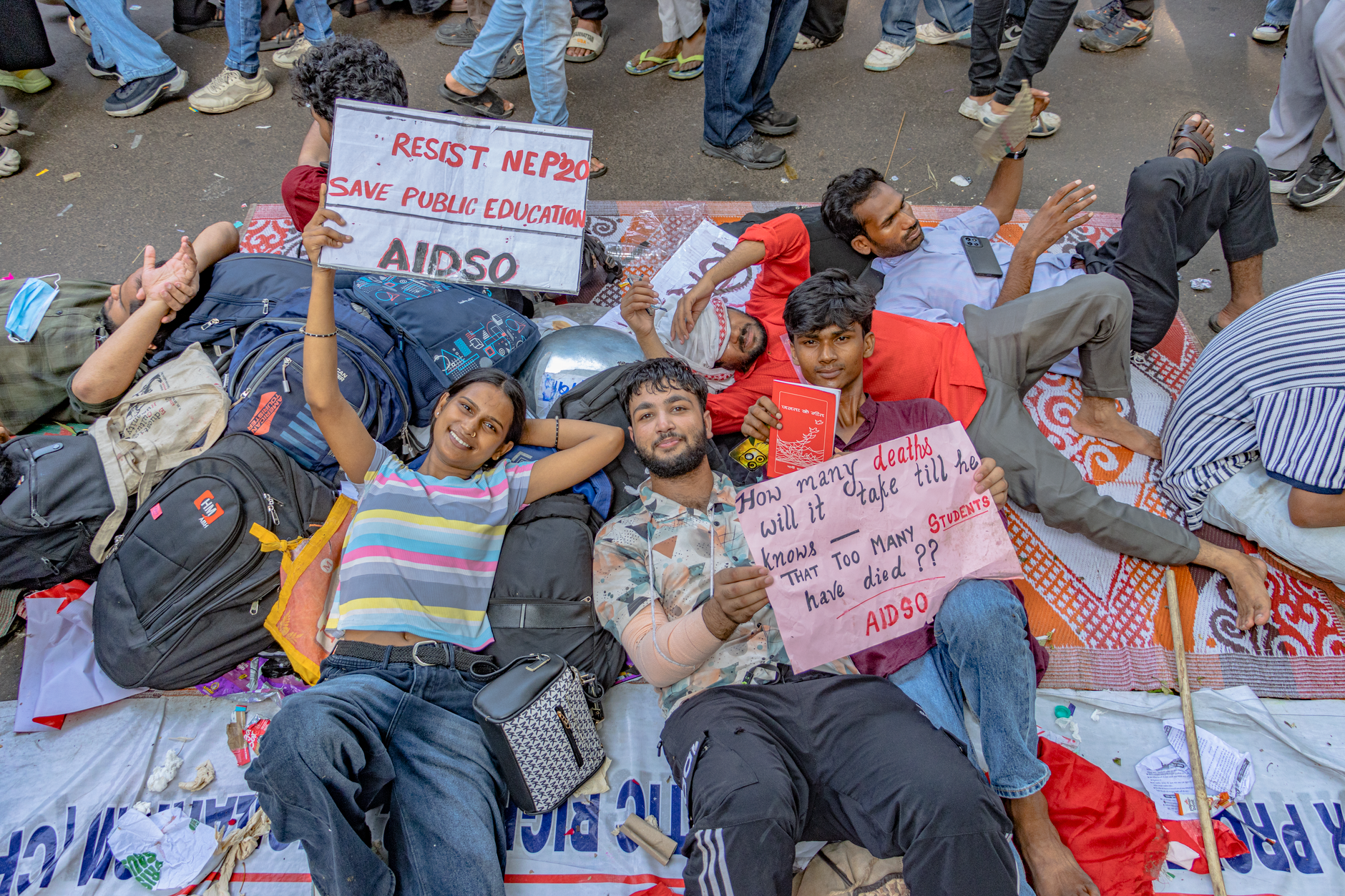
In a significant victory for student activism, weeks of sustained protests across multiple Indian states have culminated in the resignation of a prominent education minister. The demonstrations, which participants nicknamed the "Cockroach" protests to symbolize their persistence and inability to be stamped out, represent a rare instance of grassroots pressure successfully forcing ministerial accountability in India's education sector.
Background of the Protests
The protests emerged from mounting frustration among students, teachers, and parents over alleged irregularities in educational administration. While specific grievances varied by region, common themes included accusations of examination paper leaks, corruption in teacher appointments, delays in scholarship disbursements, and perceived nepotism in educational institution management.
Students adopted the "Cockroach" moniker as a badge of honor, emphasizing their determination to persist despite attempts to disperse or discredit their movement. The name also reflected their strategy of being everywhere at once, with simultaneous demonstrations across multiple cities making it difficult for authorities to contain the movement.
Key Demands and Grievances
The protesters' primary demands centered around several critical issues affecting India's education system:
- Transparent investigation into alleged examination paper leaks that compromised competitive entrance tests
- Fair recruitment processes for teaching positions without political interference
- Timely release of scholarship funds for economically disadvantaged students
- Removal of officials accused of corruption and favoritism
- Reforms to prevent future irregularities in educational governance
Students documented their allegations through social media, creating viral campaigns that drew national attention to systemic problems in educational administration. Video evidence, leaked documents, and testimonials from affected students amplified their message beyond traditional media channels.
The Movement's Tactics
Unlike conventional protests that often lose momentum after initial demonstrations, the Cockroach protests employed innovative tactics to maintain pressure. Students organized rotating demonstrations, ensuring continuous visibility while preventing participant fatigue. They also coordinated with civil society organizations, alumni networks, and opposition political parties to broaden their support base.
The movement particularly resonated with young voters, creating political pressure on the ruling party ahead of upcoming elections. Social media hashtags associated with the protests trended nationally, forcing mainstream media coverage and parliamentary discussions.
Political Implications
The minister's resignation marks a significant moment in Indian politics, where ministerial accountability for policy failures remains relatively rare. Political analysts suggest this outcome may embolden similar movements in other sectors, potentially establishing new precedents for citizen activism and government responsiveness.
Opposition parties have seized upon the resignation as evidence of governance failures, while the ruling party has attempted to frame the removal as demonstration of its commitment to transparency and responsiveness to public concerns.
Broader Context in Indian Education
India's education sector has long grappled with challenges including infrastructure deficits, quality concerns, and allegations of corruption at various levels. The country's competitive examination system, which serves as the gateway to prestigious institutions and government employment, has been particularly vulnerable to manipulation given the enormous stakes involved.
Recent years have witnessed several high-profile scandals involving paper leaks, question bank thefts, and impersonation in examinations. Each incident erodes public trust in the fairness of educational systems and disadvantages honest students who prepare diligently.
What Happens Next
The resignation creates both opportunities and uncertainties. Protesters have welcomed the development but remain vigilant, demanding that promised investigations proceed transparently and that systemic reforms be implemented rather than merely changing personnel.
Educational administrators across India are likely reviewing their own practices, aware that sustained public pressure can now translate into tangible consequences. The success of the Cockroach protests may inspire similar movements addressing grievances in healthcare, employment, and other sectors where citizens feel underserved by existing institutions.
The incoming minister will face immediate pressure to demonstrate clean governance and address the structural issues that sparked the protests. Students have indicated they will continue monitoring developments and remain prepared to mobilize again if commitments are not honored.
This episode underscores the growing power of organized youth activism in India's democracy, particularly when amplified through digital platforms that enable coordination and information sharing beyond traditional gatekeepers.