Malaysia has long been a favorite destination for Indian travelers, offering a compelling mix of cultural familiarity, diverse attractions, and relatively affordable travel options. Now, Tourism Malaysia is expanding its strategic focus in India by reaching beyond the traditional metro cities to tap into the growing travel appetite of tier-II urban centers, with Maharashtra serving as a key testing ground for this broader approach.
Why Tier-II Cities Matter for Tourism
India's tier-II cities—including places like Pune, Nagpur, Nashik, and Aurangabad in Maharashtra—represent a significant demographic shift in the country's travel landscape. These cities have experienced rapid economic growth, rising disposable incomes, and increasing aspirations for international travel among their residents. With improved connectivity through regional airports and better infrastructure, residents of these cities no longer need to route through major metros for international trips.
The expanding middle class in tier-II cities is particularly attractive to tourism boards worldwide. These travelers often have similar spending power to their metro counterparts but represent a largely untapped market segment. They're eager for new experiences, more spontaneous in their travel decisions, and increasingly well-informed about international destinations through digital platforms and social media.
Malaysia's Competitive Advantages for Indian Travelers
Malaysia holds several natural advantages that make it particularly appealing to the Indian market. The country's multicultural fabric, with significant Indian, Chinese, and Malay populations, creates an environment where Indian visitors feel culturally comfortable. The availability of Indian cuisine, the presence of Hindu temples and mosques, and the general understanding of diverse cultural practices reduce the intimidation factor for first-time international travelers.
Cost competitiveness remains another crucial factor. Compared to long-haul destinations in Europe or the Americas, Malaysia offers better value for money with shorter flight times, making it ideal for both short getaways and extended vacations. The Malaysian ringgit's exchange rate against the Indian rupee has historically been favorable, enhancing purchasing power for Indian tourists.
Key Attractions Driving Interest
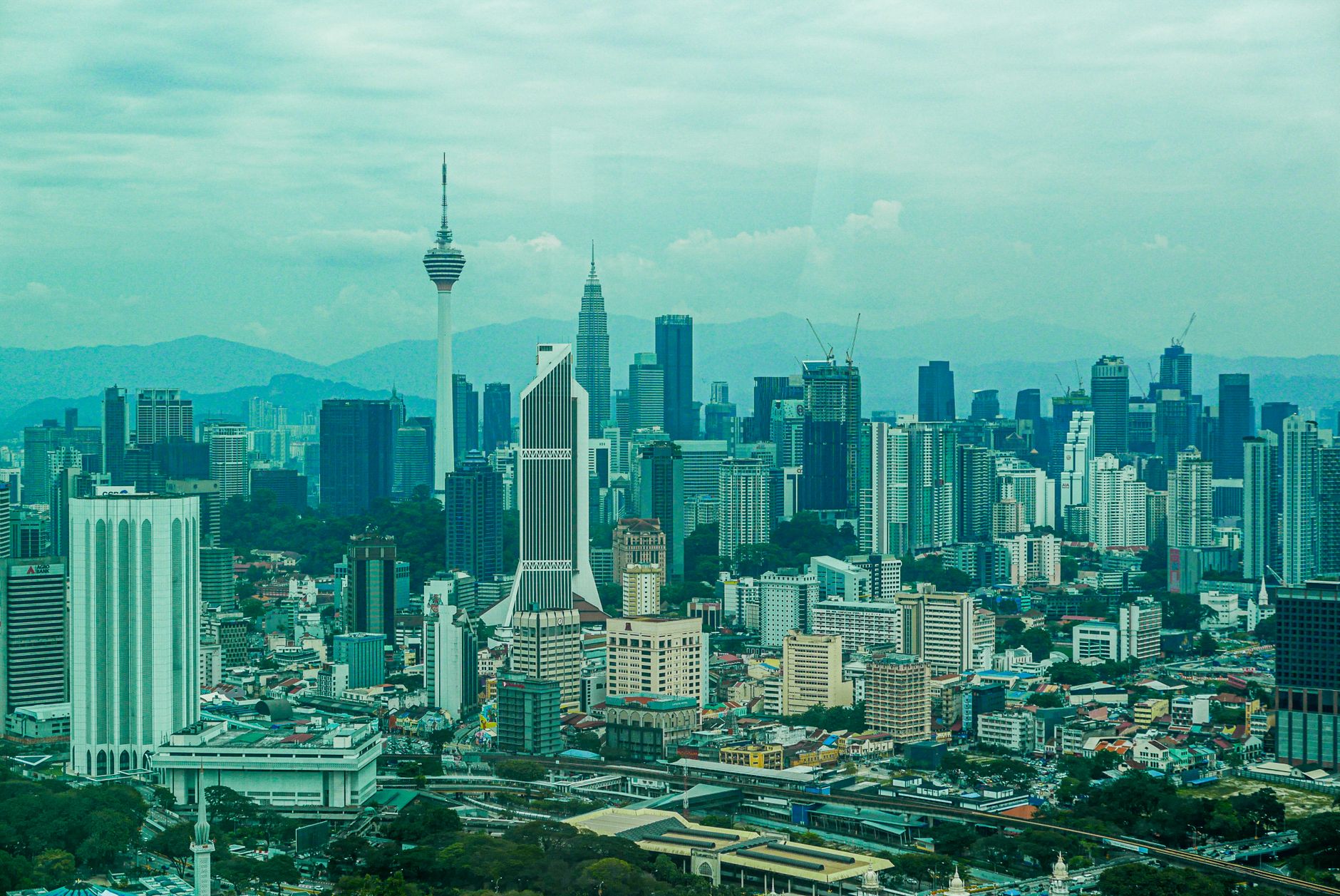
Malaysia's tourism appeal rests on diverse pillars. Kuala Lumpur's iconic Petronas Twin Towers, modern shopping districts, and vibrant street food scene attract urban explorers. The island destinations of Langkawi and Penang offer beach experiences, water sports, and duty-free shopping. For nature enthusiasts, destinations like the Cameron Highlands, Taman Negara rainforest, and the wildlife-rich Malaysian Borneo provide eco-tourism opportunities.
The country has also invested heavily in positioning itself as a medical tourism hub, offering world-class healthcare facilities at competitive prices—a proposition that resonates with Indian travelers seeking wellness and medical procedures combined with leisure travel.
Strategic Outreach Initiatives
Tourism boards typically employ several strategies when targeting new markets. These may include roadshows and travel trade fairs in tier-II cities, partnerships with local travel agents and tour operators, targeted digital marketing campaigns on social media platforms, and collaborations with regional media outlets for visibility.
For Malaysia's expanded focus, partnerships with Maharashtra-based travel agencies become critical, as these local operators understand their customers' preferences, budget sensitivities, and travel patterns better than national chains. Training programs for travel agents on Malaysia's offerings, simplified visa processes, and competitive tour packages can drive conversions effectively.
The Broader Trend in Outbound Indian Tourism
Maharashtra's tier-II cities are part of a larger transformation in Indian outbound tourism. Post-pandemic travel sentiment has shown remarkable resilience, with pent-up demand translating into increased international bookings. Younger demographics, improved digital literacy, and exposure to global content have created more adventurous travelers willing to explore beyond traditional circuits.
Regional connectivity has improved significantly, with airlines expanding operations to smaller cities and offering direct international connections or convenient one-stop options to Southeast Asian destinations. This infrastructure development makes international travel more accessible and less time-consuming for tier-II city residents.
Implications for the Travel Industry
Malaysia's strategic pivot signals a broader recognition that India's travel market extends far beyond Delhi, Mumbai, and Bangalore. Other destinations are likely to follow this approach, recognizing that tier-II cities collectively represent a massive potential market. This shift could lead to more competitive pricing, better tour packages tailored to regional preferences, and increased flight connectivity between these cities and popular international destinations.
For travelers in tier-II cities, this attention brings benefits including more direct engagement from tourism boards, better information availability, localized travel services, and potentially more competitive packages as multiple destinations compete for their attention.
The success of this tier-II outreach strategy will likely depend on sustained engagement, understanding local travel preferences, and building trust through consistent service delivery and positive travel experiences.