
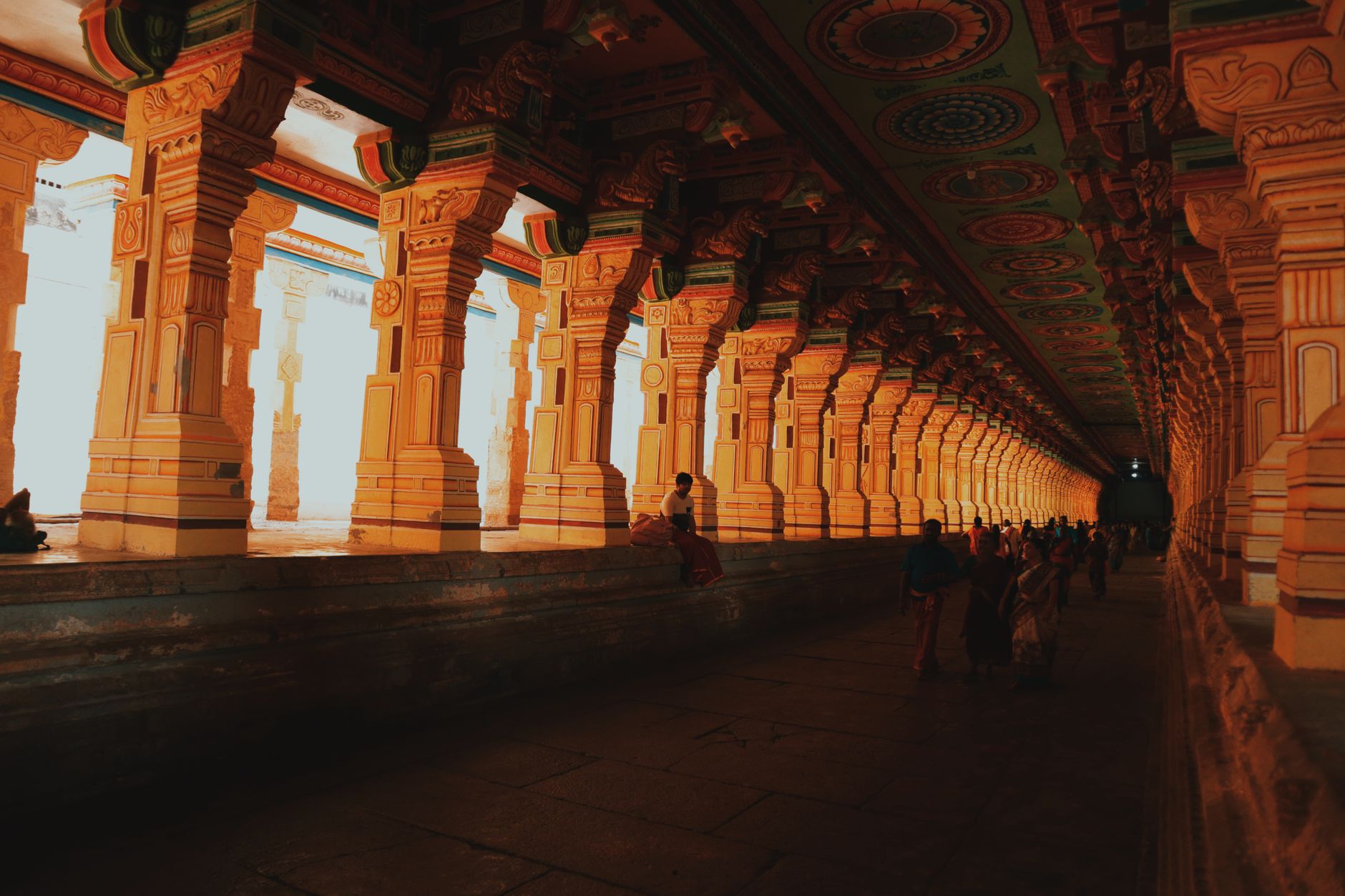
India is experiencing an extraordinary surge in religious and heritage tourism as newly developed sacred corridors connect centuries-old temples, pilgrimage sites, and cultural landmarks across the country. This historic travel wave represents not just a revival of faith-based tourism but a comprehensive reimagining of how Indians and international visitors engage with the nation's spiritual heritage.
The Sacred Corridor Revolution
Over the past several years, the Indian government and state administrations have invested heavily in developing dedicated tourism corridors that link clusters of ancient temples and heritage sites. These corridors provide improved connectivity, enhanced facilities, and curated experiences that make pilgrimage journeys more accessible than ever before. The Kashi Vishwanath Corridor in Varanasi, which opened to widespread acclaim, has become a blueprint for similar projects across the country.
These developments have transformed pilgrimage from an often arduous undertaking into a more comfortable and enriching experience while maintaining the spiritual essence that draws millions of devotees. The improved infrastructure includes wider pathways, better crowd management systems, modern amenities, and interpretive centers that educate visitors about the historical and cultural significance of these sacred spaces.
Major Pilgrimage Routes Seeing Unprecedented Growth
The Char Dham circuit in Uttarakhand, connecting Yamunotri, Gangotri, Kedarnath, and Badrinath, has witnessed record-breaking visitor numbers. Enhanced road connectivity and helicopter services have made these Himalayan shrines accessible to elderly pilgrims and those with limited mobility, democratizing what was once considered an extremely challenging journey.
Similarly, the Buddhist Circuit across Bihar and Uttar Pradesh, linking sites associated with Buddha's life including Bodh Gaya, Sarnath, and Kushinagar, has attracted growing numbers of international visitors, particularly from Southeast Asian nations. The development of airports, hotels, and interpretation facilities along this route has positioned it as a world-class spiritual tourism destination.
Economic Impact on Temple Towns
The sacred tourism boom is generating substantial economic benefits for towns and villages along these corridors. Local communities are experiencing increased employment opportunities in hospitality, transportation, handicrafts, and guide services. Traditional artisans producing religious artifacts, temple architecture specialists, and cultural performers are finding renewed demand for their skills.
Small businesses including homestays, restaurants serving traditional vegetarian cuisine, and shops selling puja materials and souvenirs are flourishing. This economic revitalization is particularly significant for smaller temple towns that previously struggled with limited commercial activity outside major festival periods.
Technology Meets Tradition
Modern technology is playing a crucial role in enhancing the pilgrimage experience without diminishing its spiritual character. Many major temples now offer online booking for darshan, reducing wait times and improving crowd management. Mobile applications provide audio guides in multiple languages, explaining the mythology, architecture, and rituals associated with each site.
Virtual queue systems, digital donation platforms, and real-time updates on temple timings and special events have made planning pilgrimages more convenient. Some sites are even offering virtual darshan options for those unable to travel physically, extending spiritual access to homebound devotees worldwide.
Heritage Conservation Challenges
The surge in visitor numbers presents both opportunities and challenges for heritage conservation. Archaeological authorities and temple managements are working to balance accessibility with preservation, implementing measures to protect ancient structures from wear and environmental damage. Visitor caps, designated pathways, and restricted access to fragile areas are being carefully calibrated.
Conservation experts are also focusing on sustainable tourism practices, including waste management systems, water conservation, and the use of eco-friendly materials in new construction. The goal is to ensure these sacred sites remain intact for future generations while serving current spiritual seekers.
The International Dimension
India's sacred corridors are increasingly attracting international tourists interested in spiritual exploration, wellness retreats, and cultural immersion. Countries with significant Hindu, Buddhist, and Jain populations view these corridors as vital connections to their ancestral heritage. This international interest is positioning India as a premier destination for meaningful travel experiences that combine spirituality, history, and natural beauty.
The growing popularity of yoga, meditation, and mindfulness practices globally has also driven interest in visiting their source locations in India, with many temples and ashrams along these corridors offering authentic experiences in these ancient disciplines.
Future Expansion Plans
Numerous states are developing additional sacred corridors, including routes connecting Jain temples in Rajasthan and Gujarat, Sikh heritage sites across Punjab and beyond, and clusters of ancient temples in Tamil Nadu and Karnataka. These initiatives promise to further diversify India's spiritual tourism landscape and distribute economic benefits more widely across regions.