
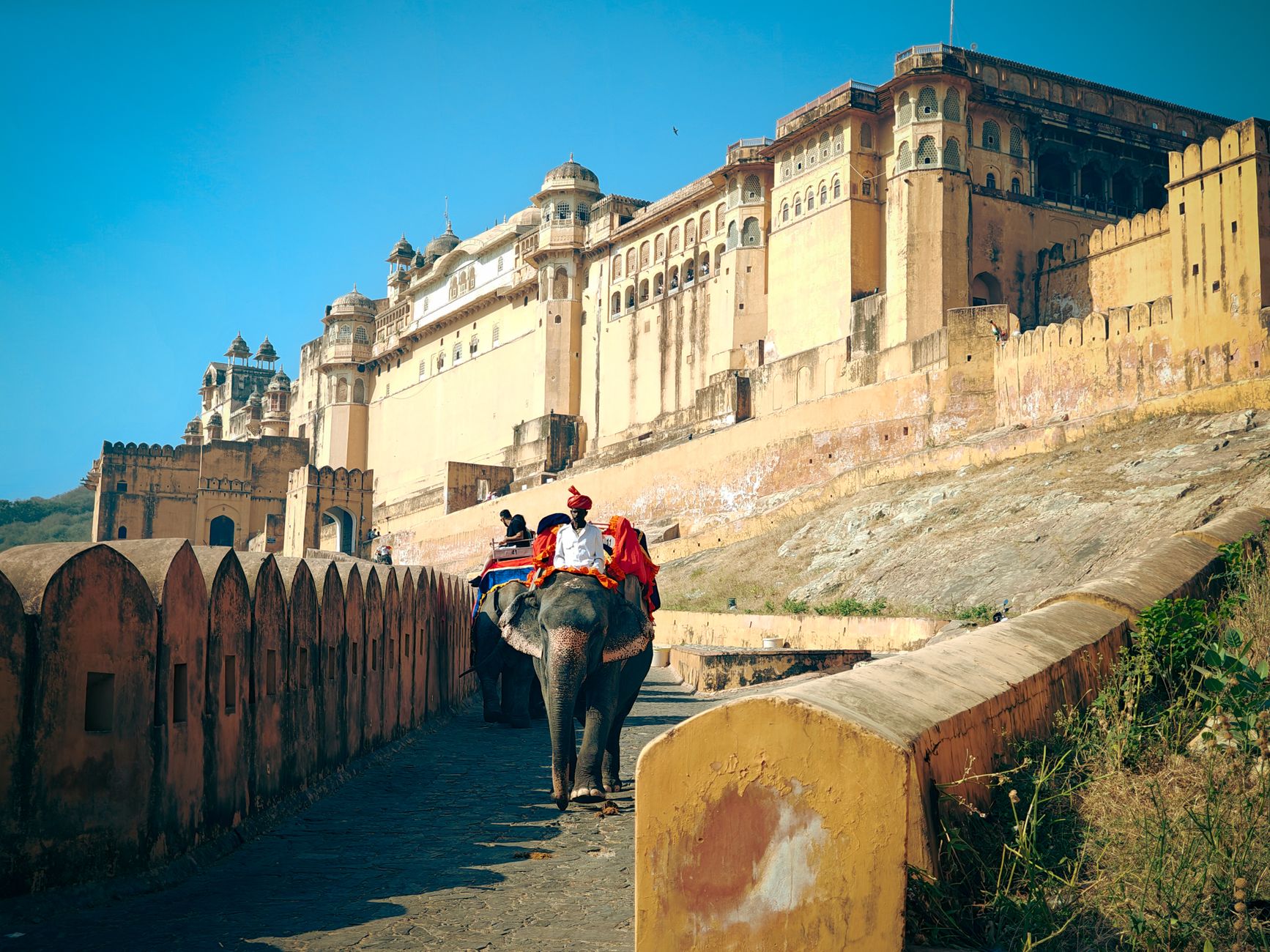
India's tourism sector has witnessed remarkable growth in recent years, with domestic travel surging and international arrivals climbing steadily. However, this travel boom has brought an uncomfortable reality to light: irresponsible tourist behaviour is causing significant damage to some of the country's most cherished destinations. From littered hiking trails in the Himalayas to overcrowded beaches in Goa, the consequences of unsustainable tourism are becoming impossible to ignore.
The Scale of the Problem
The issue isn't limited to a few isolated incidents. Popular hill stations like Shimla, Manali, and Mussoorie regularly witness traffic gridlock, mountains of plastic waste, and strain on local water resources during peak season. In the Northeast, pristine locations like Meghalaya's living root bridges and Arunachal Pradesh's valleys face threats from visitors who treat these sensitive ecosystems as mere backdrops for social media content.
Coastal areas face similar challenges. Beaches from Gokarna to the Andaman Islands struggle with plastic pollution, coral damage from careless snorkelling, and noise pollution that disrupts local wildlife. Even heritage sites aren't spared—monuments across the country deal with vandalism, graffiti, and visitors who show little regard for preservation rules.
Common Irresponsible Behaviours
Several patterns of problematic behaviour emerge repeatedly across different destinations:
- Littering and improper waste disposal, particularly single-use plastics
- Loud music and parties in ecologically sensitive or residential areas
- Vandalism and graffiti on natural formations and historical monuments
- Feeding wildlife, which disrupts natural behaviours and ecosystems
- Trespassing into restricted or private areas for photographs
- Overconsumption of local resources, especially water in drought-prone regions
- Disrespecting local customs, dress codes, and religious sensitivities
- Creating traffic congestion by parking irresponsibly or driving recklessly
The Environmental Toll
The environmental consequences extend beyond unsightly litter. Popular trekking routes in Uttarakhand and Himachal Pradesh report soil erosion, deforestation for campsites, and contamination of water sources. Wildlife sanctuaries face disturbances that affect breeding patterns and animal behaviour.
The carbon footprint of mass tourism also contributes to climate change, which particularly affects fragile mountain ecosystems. Destinations like Ladakh and Spiti are already experiencing glacial retreat and water scarcity, problems exacerbated by the influx of thousands of visitors during short tourism windows.
Impact on Local Communities
Residents of tourist hotspots often bear the brunt of irresponsible tourism. Rental costs spike, pushing locals out of their own neighbourhoods. Water and electricity shortages become common during peak seasons. Traditional livelihoods get disrupted, and the social fabric of communities changes as areas transform into tourist zones.
In some Himalayan villages, residents report that the constant flow of disrespectful tourists has made them reconsider their relationship with tourism altogether, despite its economic benefits.
What Authorities Are Doing
Several state governments and local bodies have begun implementing stricter regulations. Himachal Pradesh has banned single-use plastics in certain districts and increased fines for littering. Sikkim has imposed limits on daily tourist entries to sensitive areas. Some popular trekking routes now require permits and mandatory porter services to ensure waste management.
The Andaman and Nicobar Islands have introduced stricter rules around coral reef activities, while Goa has increased beach patrols during peak season. However, enforcement remains inconsistent, and penalties often aren't severe enough to deter violations.
The Path Forward: Responsible Tourism
Creating sustainable tourism requires collective effort from travellers, businesses, and regulators. Tourists can start by following the "leave no trace" principle, respecting local guidelines, and choosing eco-friendly accommodations and tour operators.
Travel businesses should prioritize sustainability over short-term profits, implementing waste management systems and educating clients about responsible behaviour. Some homestays and tour operators are already leading by example, organizing clean-up drives and limiting group sizes.
Authorities need stronger enforcement mechanisms, better infrastructure for waste management, and carrying capacity assessments for vulnerable destinations. Community involvement in tourism planning ensures that local voices aren't drowned out in the rush for revenue.
A Cultural Shift Needed
Ultimately, preserving India's tourism treasures requires a cultural shift in how we approach travel. Tourism isn't just about consumption and entertainment—it's about experiencing places respectfully, understanding their significance, and leaving them better than we found them. Social media culture's emphasis on getting the perfect shot shouldn't come at the expense of environmental integrity or local well-being.
India's natural and cultural heritage is irreplaceable. Whether the current tourism boom becomes a sustainable success story or a cautionary tale depends on choices made today by every stakeholder in the ecosystem.