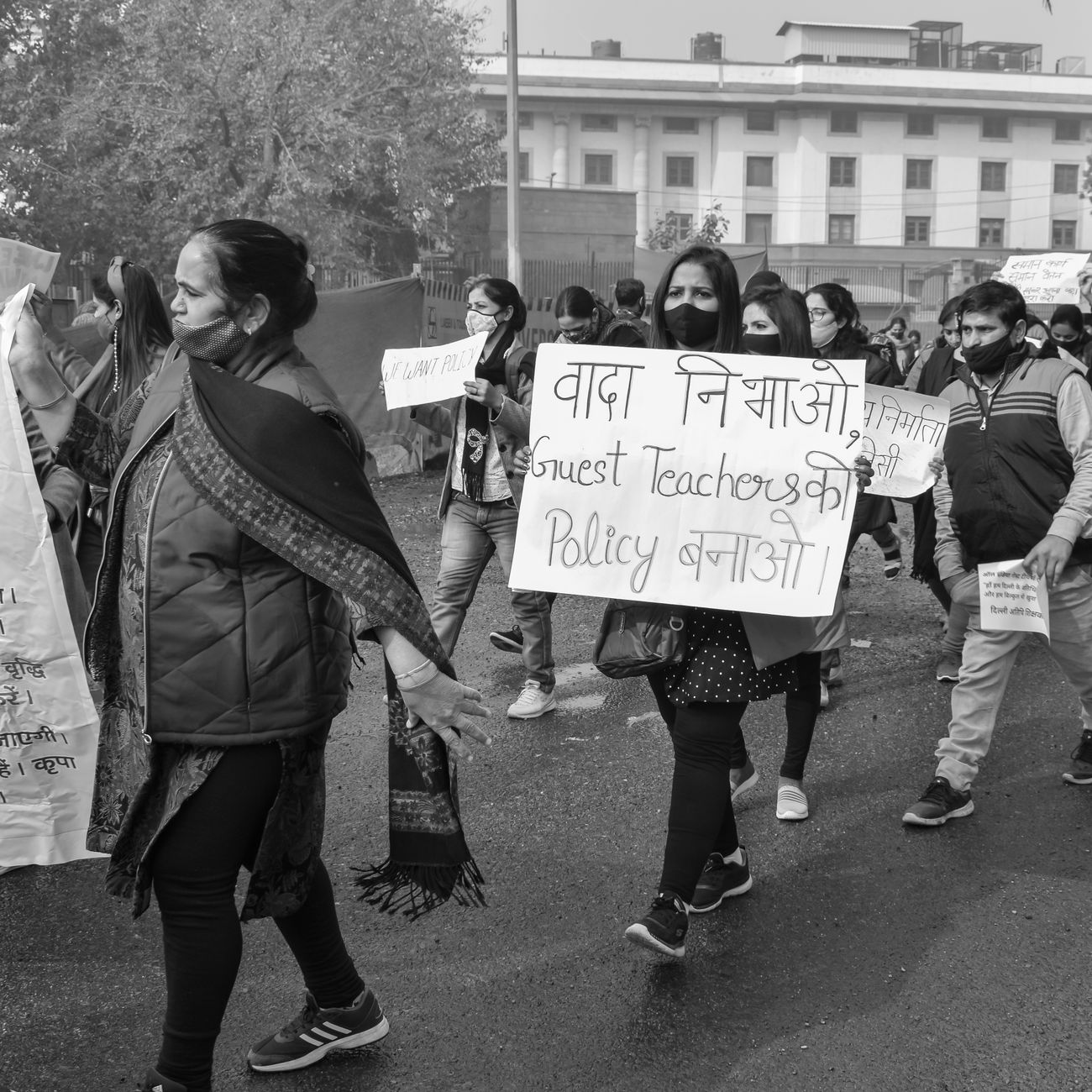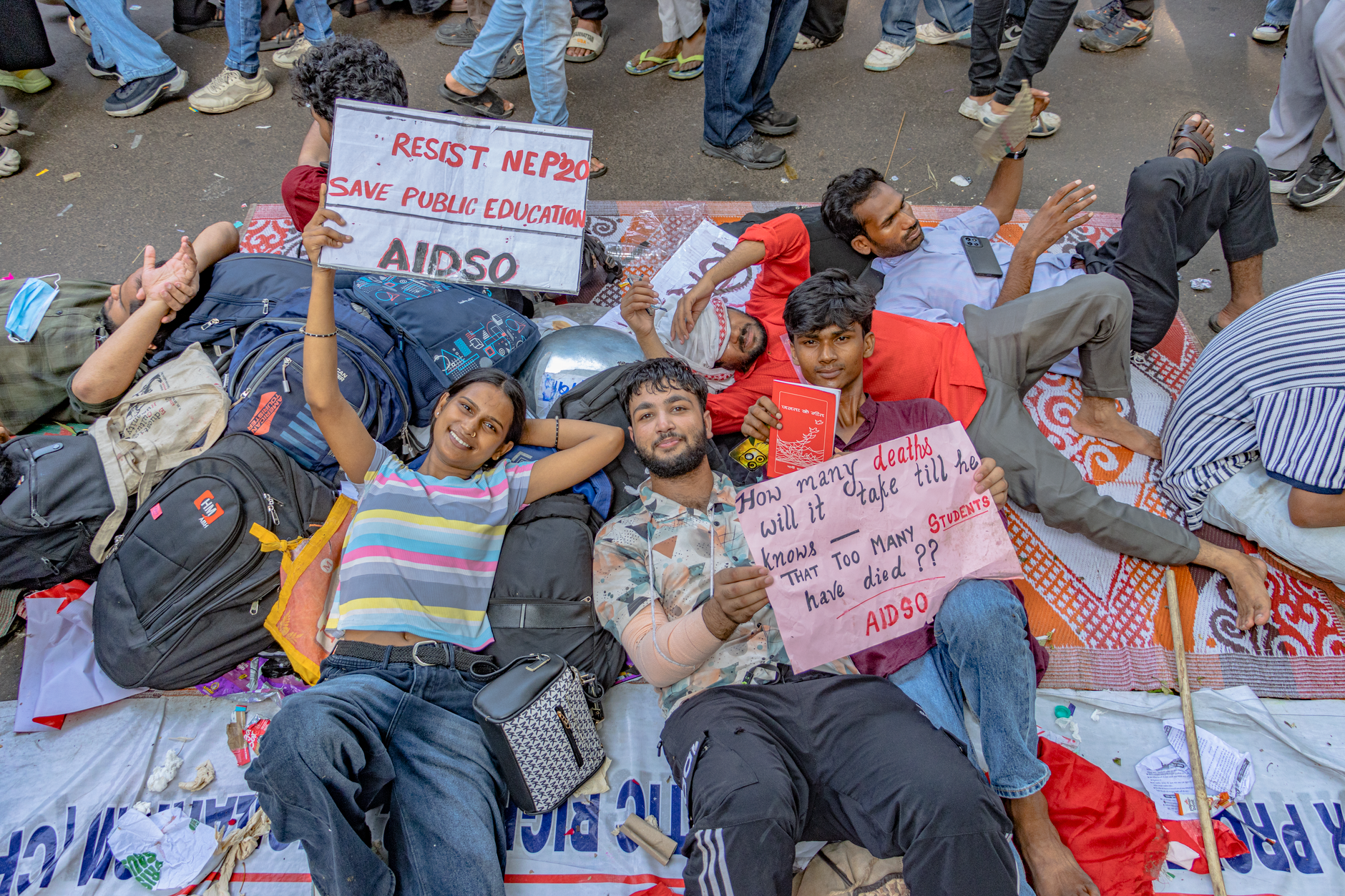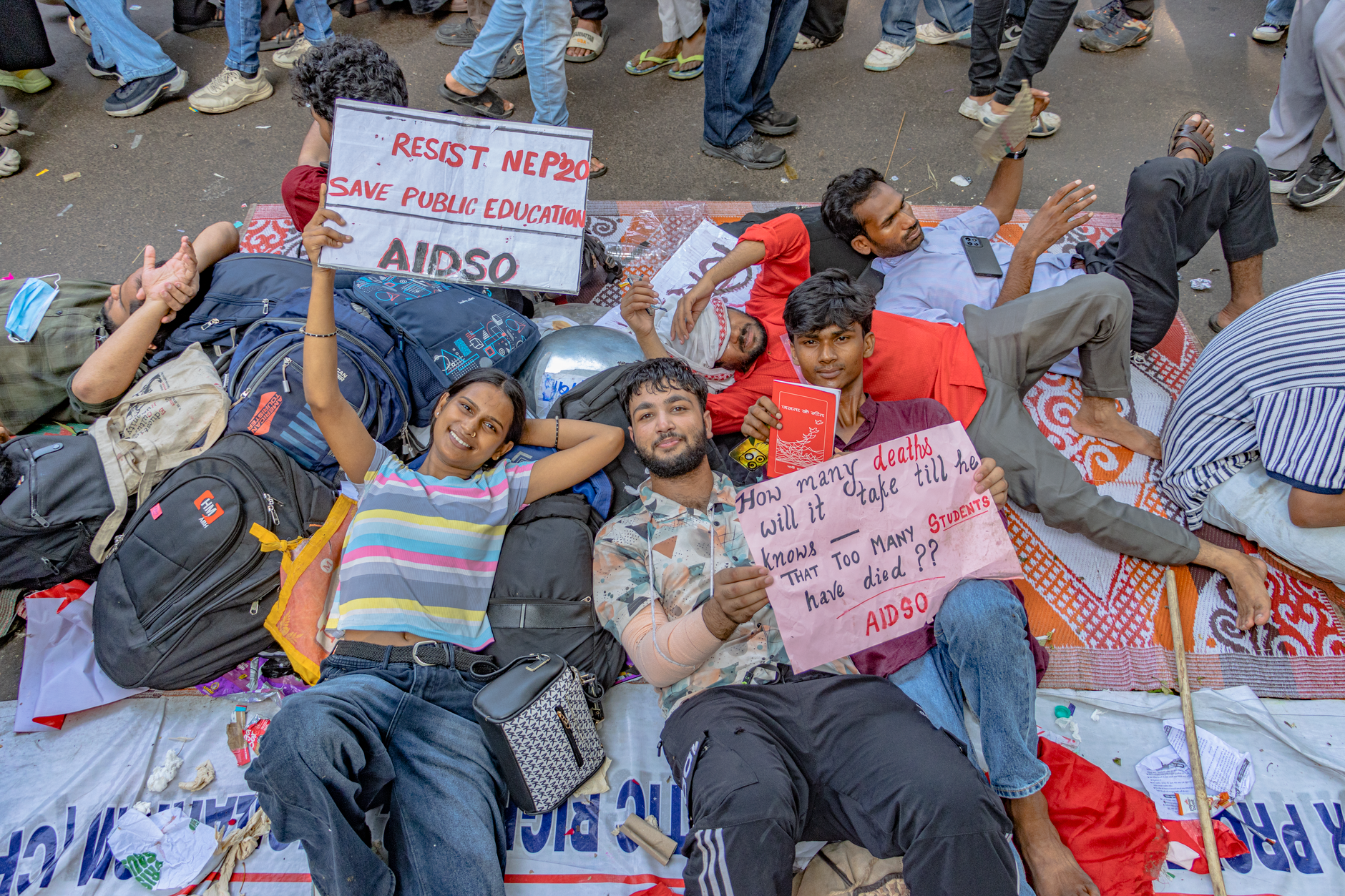
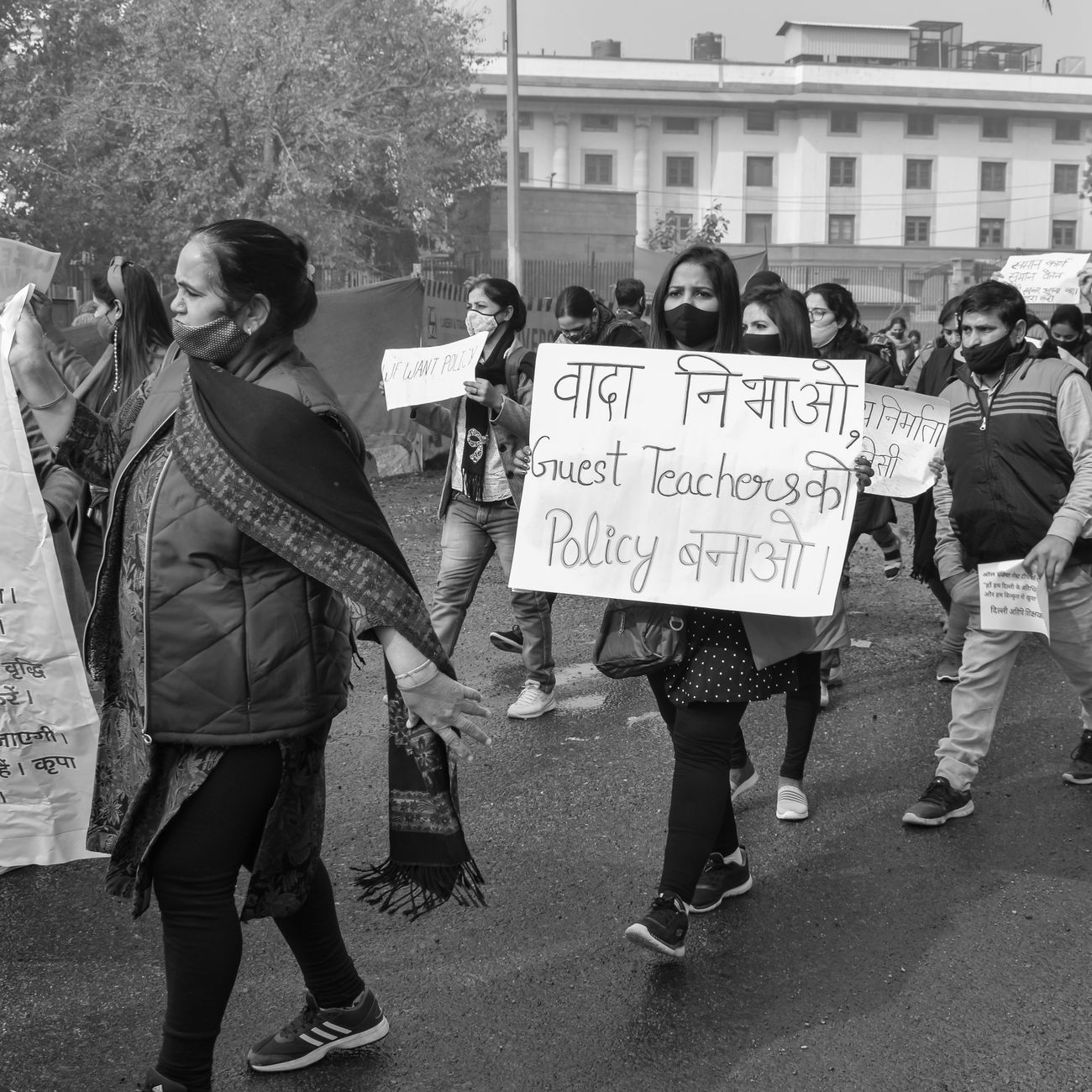
Mass student protests across India have catalyzed sweeping changes to the country's examination and recruitment systems, culminating in the resignation of a senior education minister. The unprecedented wave of demonstrations reflects mounting frustration among young Indians over alleged irregularities in competitive exams, corruption in hiring processes, and limited employment opportunities despite educational qualifications.
The Roots of Student Discontent
India's youth population faces intense competition for government jobs and admission to premier educational institutions. With millions of graduates entering the job market annually, competitive examinations serve as crucial gateways to career advancement. However, repeated allegations of paper leaks, irregularities in examination conduct, and delays in result announcements have eroded trust in these systems.
The protests gained momentum after several high-profile examination controversies emerged simultaneously. Students preparing for civil services, railway recruitment, teaching positions, and university admissions found themselves caught in cycles of postponed exams, cancelled results, and allegations of corruption. For many aspirants who invest years preparing for these examinations, such setbacks represent devastating losses of time and resources.
Key Demands from Protesting Students
Student organizations and youth groups have articulated several core demands that have shaped the reform agenda:
- Immediate investigation into examination paper leaks and strict punishment for those involved in corruption
- Implementation of robust technological systems to prevent cheating and ensure examination integrity
- Standardization of recruitment processes across government departments and educational institutions
- Regular examination calendars with minimal postponements or cancellations
- Transparent grievance redressal mechanisms for students facing issues with results or processes
- Age relaxation for candidates affected by repeated exam cancellations
Government Response and Policy Shifts
The sustained pressure from protests has forced government authorities to acknowledge systemic failures and announce concrete measures. The ministerial resignation represents a significant political acknowledgment of accountability for the examination crisis.
Proposed reforms include the adoption of advanced biometric verification systems, enhanced security protocols for question paper storage and distribution, and the establishment of independent oversight committees to monitor examination conduct. Several state governments have also announced reviews of their recruitment processes and timelines.
Technology integration stands at the center of the reform agenda. Authorities are exploring blockchain-based systems for secure question paper management, artificial intelligence-powered proctoring for online examinations, and digital platforms that provide real-time updates to candidates about examination schedules and results.
Broader Implications for India's Education System
The protests reveal deeper structural challenges within India's education and employment ecosystem. The country's formal education system produces millions of graduates annually, yet job creation in organized sectors struggles to keep pace. This mismatch creates intense competition for limited government positions, which offer job security and benefits that private sector roles often cannot match.
The examination-centric approach to selection has also drawn criticism for emphasizing rote learning over skill development. Reform advocates argue that assessment methods should evolve to evaluate practical competencies, critical thinking, and problem-solving abilities rather than merely testing memory and speed.
Impact on Future Generations
The success of these protests in driving policy change may embolden future student activism around educational issues. Young Indians have demonstrated their willingness to organize, mobilize, and demand accountability from institutions that shape their futures.
However, implementing announced reforms will require sustained effort and resources. Installing new technological systems, training personnel, and rebuilding trust among student communities cannot happen overnight. The true test of these reforms will be whether they translate into tangible improvements in examination integrity and candidate experience.
Regional Variations and Challenges
Different states face unique challenges in implementing centralized reforms. States with larger populations and higher volumes of examination candidates require more sophisticated infrastructure and coordination. Rural areas may struggle with technological adoption, while urban centers deal with issues of scale and logistics.
The decentralized nature of India's education system, with both central and state authorities conducting various examinations, also complicates uniform reform implementation. Coordination between different government bodies will be essential to ensure consistency and effectiveness.
Looking Ahead
The examination reforms represent a critical opportunity to modernize India's assessment and recruitment infrastructure. Success will depend on genuine commitment to transparency, adequate resource allocation, and continuous monitoring of implementation.
For India's youth, these changes signal that collective action can influence policy decisions affecting millions of lives. The protests have transformed examination reform from a bureaucratic concern into a matter of national importance, ensuring continued scrutiny of how the country prepares and selects its future workforce.