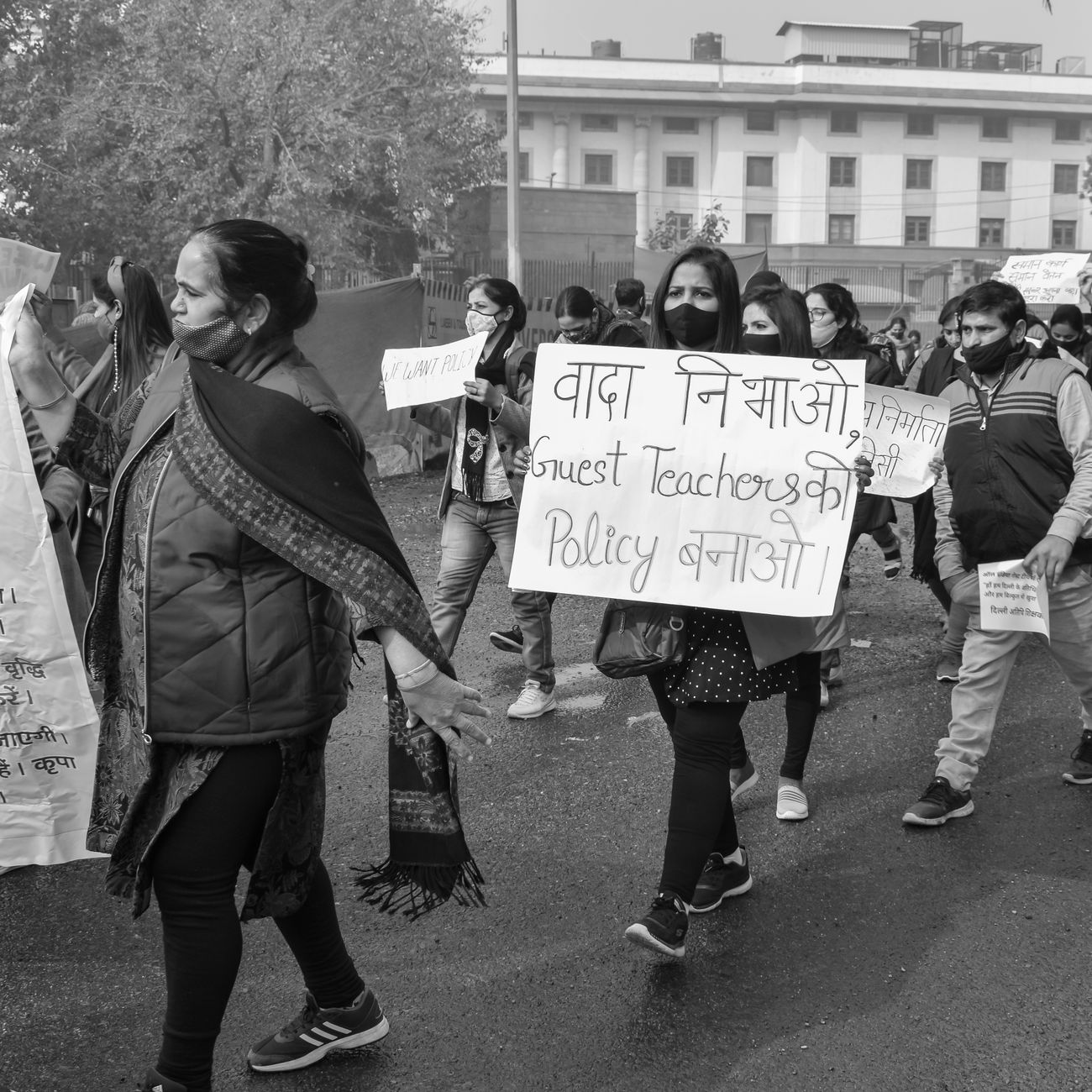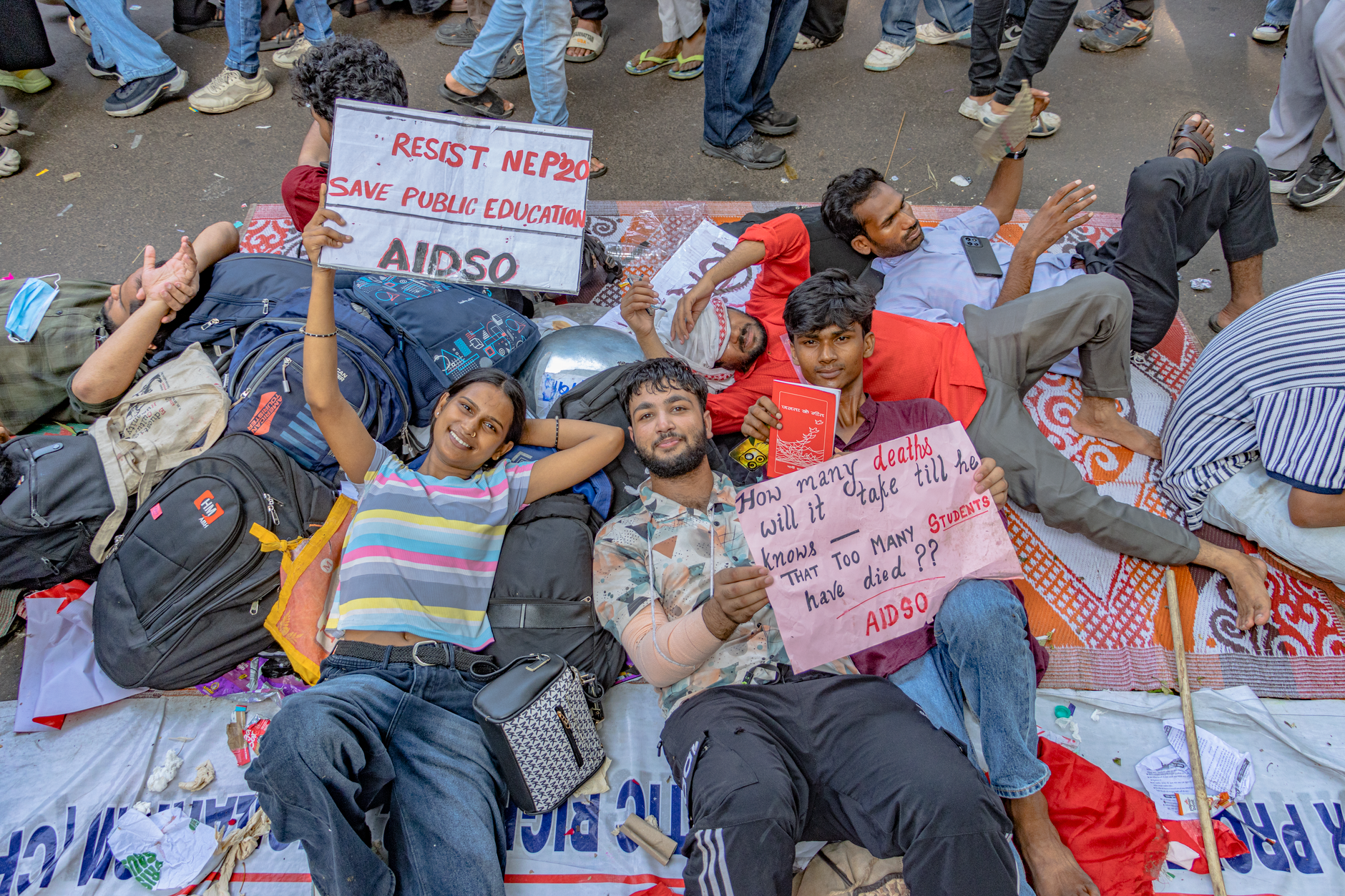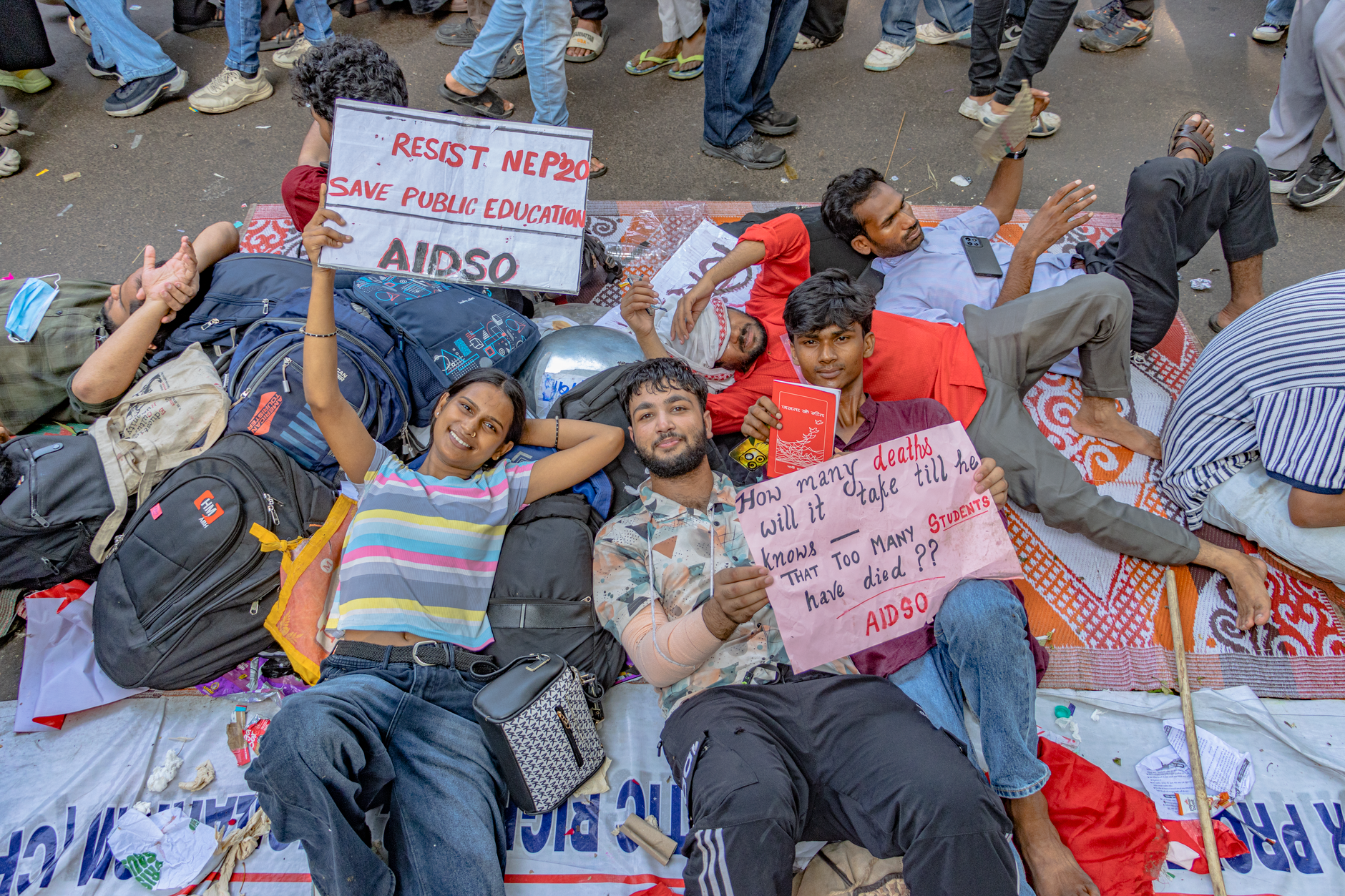
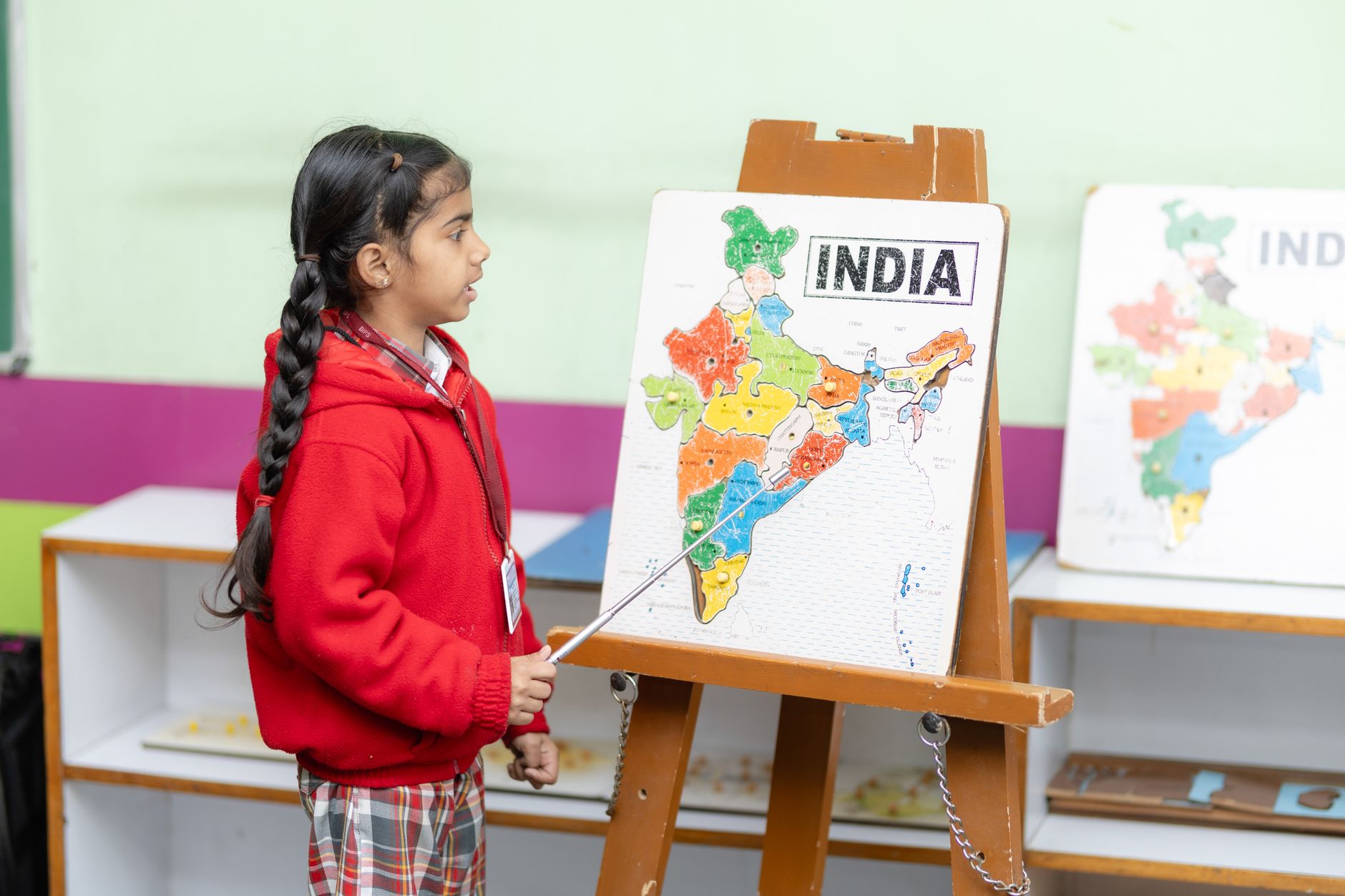
India's education landscape has been in the spotlight recently, with calls for stricter regulations and enforcement to improve standards. However, the persistent challenges facing millions of students across the country reveal a deeper truth: laws and regulations, while necessary, cannot address the fundamental systemic issues plaguing Indian education.
The Infrastructure Deficit
Across rural and semi-urban India, millions of children attend schools lacking basic facilities. Dilapidated buildings, insufficient classrooms, absence of functional toilets, and lack of drinking water remain widespread problems. In many regions, a single teacher manages multiple grades simultaneously in one room. No amount of legislative mandates can substitute for the massive infrastructure investment required to create conducive learning environments.
The digital divide has become particularly apparent in recent years. While urban schools increasingly integrate technology into learning, rural schools often lack electricity, let alone computers or internet connectivity. This disparity creates vastly different educational experiences for children based purely on their geographical location.
Teacher Quality and Training
The backbone of any education system is its teaching workforce, and here India faces significant challenges. Many teachers, particularly in government schools, lack adequate training in modern pedagogical methods. The system often treats teaching as a job of last resort rather than a valued profession requiring specialized skills and continuous development.
- Low salaries in many states make teaching financially unattractive
- Limited opportunities for professional development and upskilling
- High student-to-teacher ratios preventing personalized attention
- Administrative burdens that take time away from actual teaching
Strict laws cannot inspire teachers or provide them with the skills and motivation necessary to engage students effectively. What's needed is comprehensive teacher training programs, competitive compensation, and a cultural shift that elevates teaching as a prestigious profession.
Curriculum Relevance and Learning Outcomes
India's education system often emphasizes rote memorization over critical thinking and practical application. Students memorize vast amounts of information for examinations but struggle to apply knowledge to real-world situations. This approach creates graduates who possess certificates but lack the skills demanded by modern workplaces.
The curriculum frequently fails to keep pace with rapidly evolving industries and technologies. By the time syllabus updates are implemented, the content is already outdated. Furthermore, vocational training and skill development receive inadequate attention, despite India's vast need for skilled workers in various trades.
Socio-Economic Barriers
Perhaps the most significant challenge lies outside school walls entirely. Poverty forces millions of children into labor instead of classrooms. Girls face additional barriers including safety concerns, early marriage pressures, and household responsibilities. For marginalized communities, caste-based discrimination and lack of representation in educational content create additional obstacles.
These issues cannot be legislated away. They require:
- Robust social safety nets ensuring families can afford to send children to school
- Community engagement programs changing attitudes toward education
- Targeted interventions addressing gender disparities
- Economic development creating alternatives to child labor
The Assessment Trap
India's examination-focused system creates perverse incentives. Schools prioritize test scores over genuine learning, leading to coaching culture, academic stress, and sometimes even examination malpractice. Students become adept at passing exams without necessarily understanding subjects deeply or developing curiosity and creativity.
Stricter laws might catch more instances of cheating or force compliance with attendance requirements, but they cannot foster the love of learning or encourage intellectual curiosity that should be education's ultimate goal.
What Real Reform Looks Like
Meaningful educational transformation requires a multi-pronged approach addressing systemic issues simultaneously. Increased and efficient public spending on education infrastructure, competitive teacher salaries linked to training and performance, curriculum overhauls emphasizing skills over memorization, and integration of technology thoughtfully rather than superficially all form essential components.
Equally important is community involvement in educational governance, ensuring local needs shape how schools function. Partnerships between educational institutions and industries can help align learning outcomes with employment requirements. Mental health support systems must be integrated into schools to address the psychological toll of academic pressure.
Moving Forward
India's education challenges have accumulated over decades and reflect deeper social and economic inequalities. While regulatory frameworks provide necessary guardrails, they represent just one tool in a much larger toolkit. Real transformation demands sustained political will, adequate resource allocation, community participation, and fundamental reimagining of what education should achieve.
The focus must shift from compliance and control to empowerment and enablement—creating conditions where quality education becomes accessible to every child regardless of their background, and where learning prepares students not just to pass examinations but to think critically, solve problems, and contribute meaningfully to society.