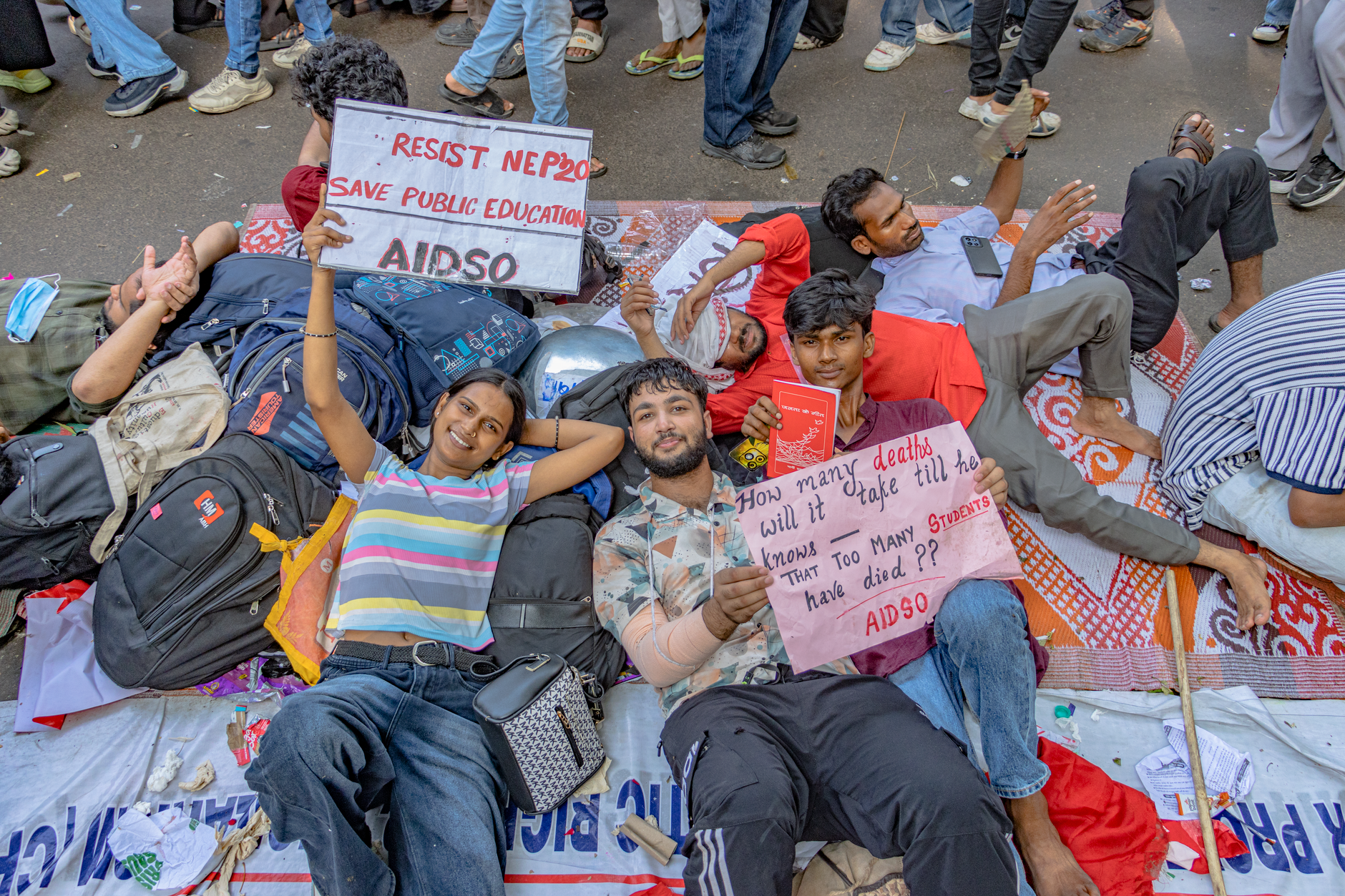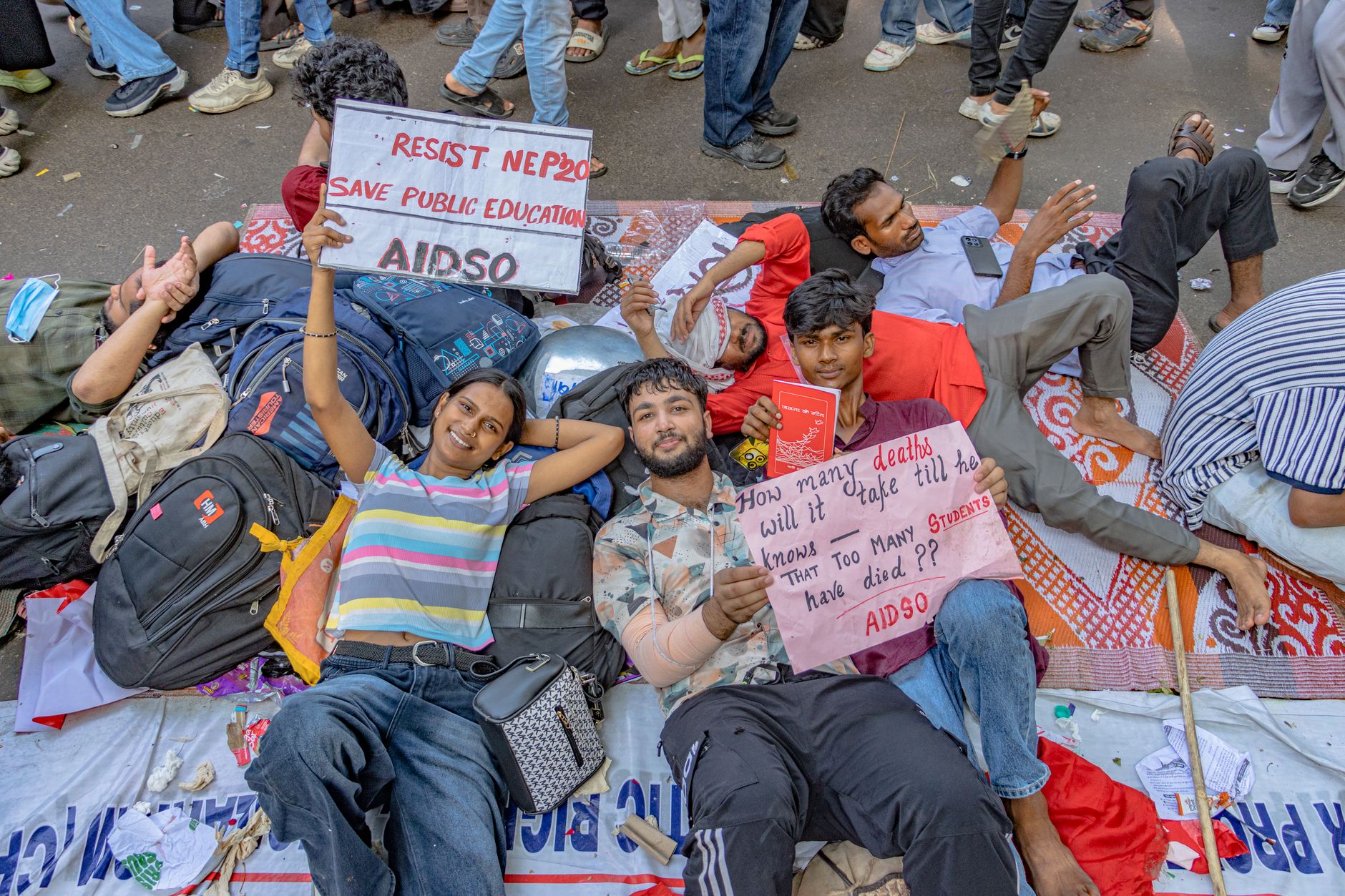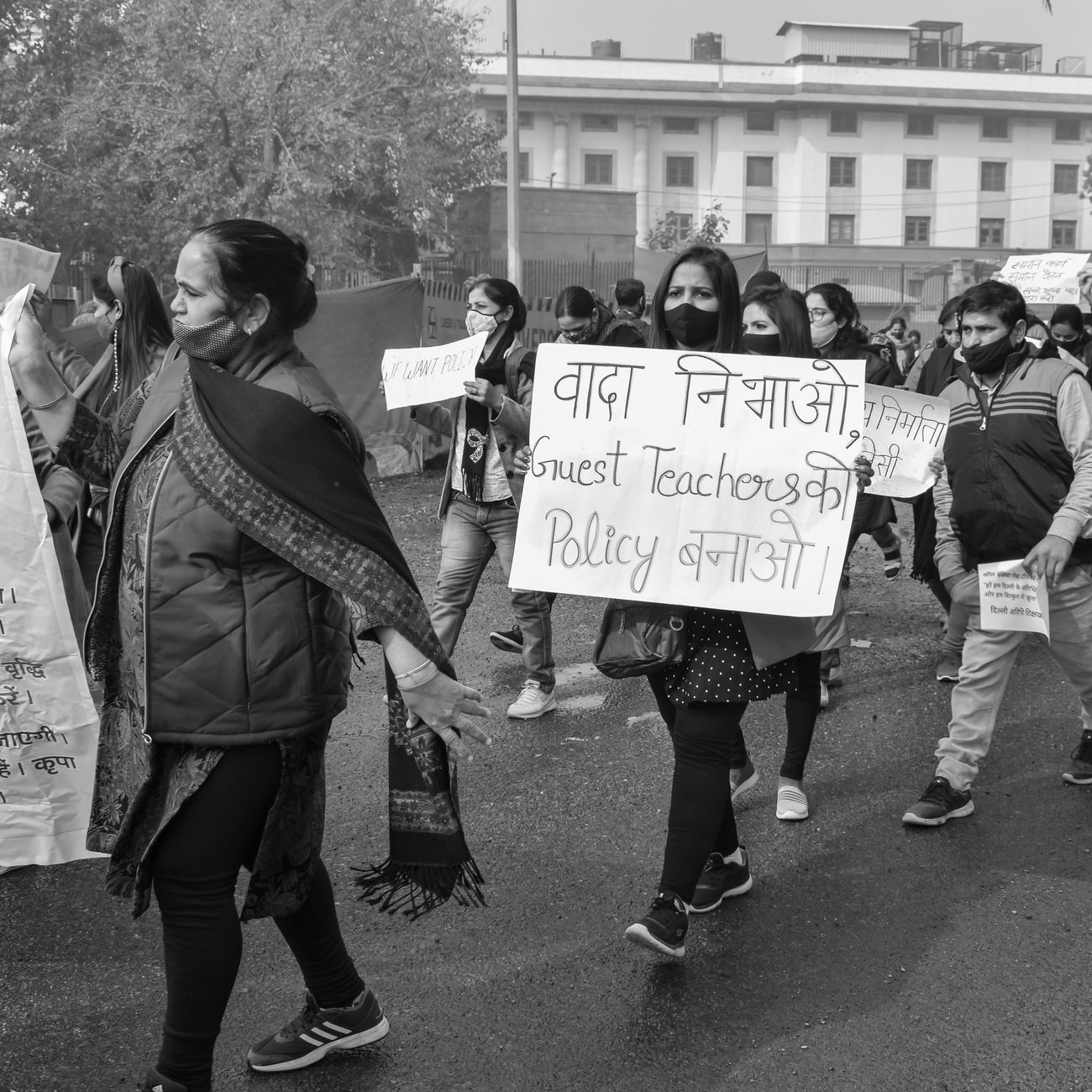
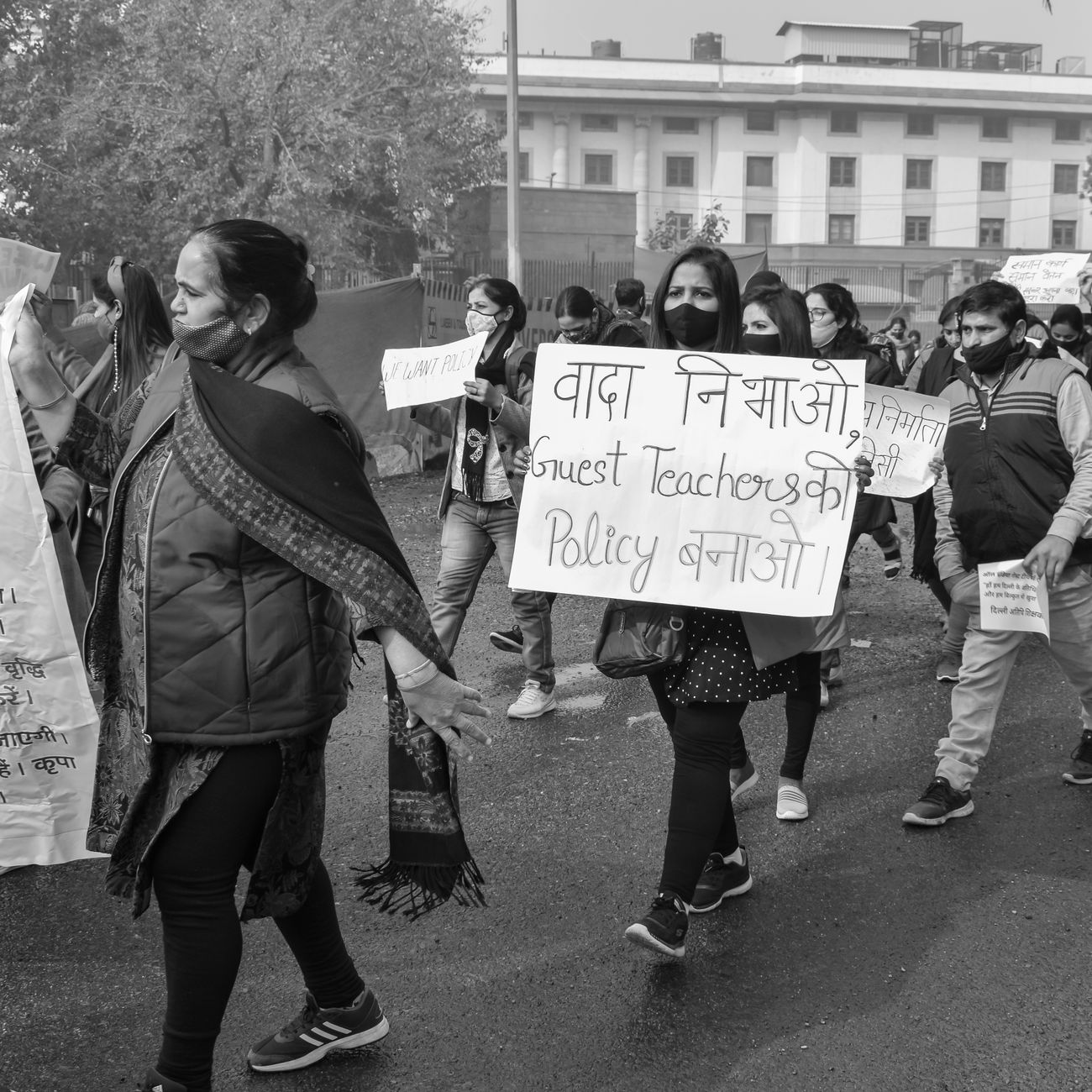
The resignation of India's education minister following sustained protests has brought renewed attention to the challenges facing the country's education system. Demonstrators across multiple cities took to the streets in recent weeks, voicing concerns over various policy decisions and implementation issues that have affected millions of students and educators.
Background of the Protests
The protests emerged from a combination of grievances that had been building over several months. Students, teachers, and education activists organized demonstrations in major cities, calling for changes to policies they argued were detrimental to the quality and accessibility of education in India. The movement gained momentum through social media campaigns and coordination among student unions across universities.
Key concerns raised by protesters included issues related to examination systems, curriculum changes, and funding allocations for educational institutions. Many participants also highlighted concerns about the handling of academic calendars and the impact of recent policy decisions on employment prospects for graduates.
What Led to the Resignation
The minister's resignation appears to be the culmination of mounting pressure from multiple stakeholders in the education sector. Universities experienced disruptions as students staged sit-ins and boycotted classes, while teachers' associations issued statements demanding policy reversals and greater consultation in decision-making processes.
Several factors contributed to the crisis:
- Growing discontent over examination reforms that critics argued placed undue stress on students
- Concerns about budget cuts affecting infrastructure and teacher recruitment
- Disputes over curriculum revisions and their implementation timeline
- Questions about transparency in policy formulation
- Allegations of inadequate consultation with education experts and stakeholders
Implications for India's Education System
The minister's departure raises important questions about the direction of education policy in India, a country where over 250 million students are enrolled in schools and approximately 40 million in higher education institutions. The education sector has been undergoing significant changes in recent years, with new frameworks aimed at modernizing the system and improving learning outcomes.
However, implementing reforms in such a large and diverse education ecosystem presents considerable challenges. Regional disparities, language diversity, and varying resource availability across states make uniform policy implementation complex. Critics of recent reforms have argued that changes were introduced too rapidly without adequate infrastructure support or teacher training.
Reactions from Education Stakeholders
Student organizations have welcomed the resignation as a victory for grassroots movements, viewing it as validation of their concerns. However, many also emphasize that leadership change alone is insufficient without substantive policy reforms. Education experts have called for a more inclusive approach to policymaking that incorporates feedback from teachers, students, and academic researchers.
Teachers' unions have stressed the need for better working conditions, improved salaries, and greater autonomy for educational institutions. They argue that sustainable reform requires adequate funding and cannot be achieved through administrative directives alone.
What Happens Next
The government will need to appoint a new education minister who can address the concerns that led to the protests while maintaining momentum on necessary reforms. This presents an opportunity to reset the conversation around education policy and rebuild trust with stakeholders.
Key priorities for any incoming minister will likely include:
- Addressing immediate concerns raised by protesting students and teachers
- Reviewing recent policy changes and their implementation
- Strengthening consultation mechanisms with education stakeholders
- Ensuring adequate funding for educational institutions
- Balancing reform objectives with practical implementation challenges
Broader Context of Education Reform in India
India's education system has been a subject of ongoing debate, with various governments attempting reforms to improve quality, accessibility, and alignment with global standards. The challenge lies in serving a massive, diverse population while addressing issues like dropout rates, quality of instruction, and employability of graduates.
The current situation highlights the tension between top-down policy changes and ground-level realities. It underscores the importance of bringing all stakeholders into the conversation when implementing reforms that affect millions of young people's futures.
As India aspires to become a knowledge economy and global education hub, the events surrounding this resignation serve as a reminder that successful education policy requires not just vision but also inclusive dialogue, adequate resources, and sensitivity to the concerns of those most directly affected by policy decisions.