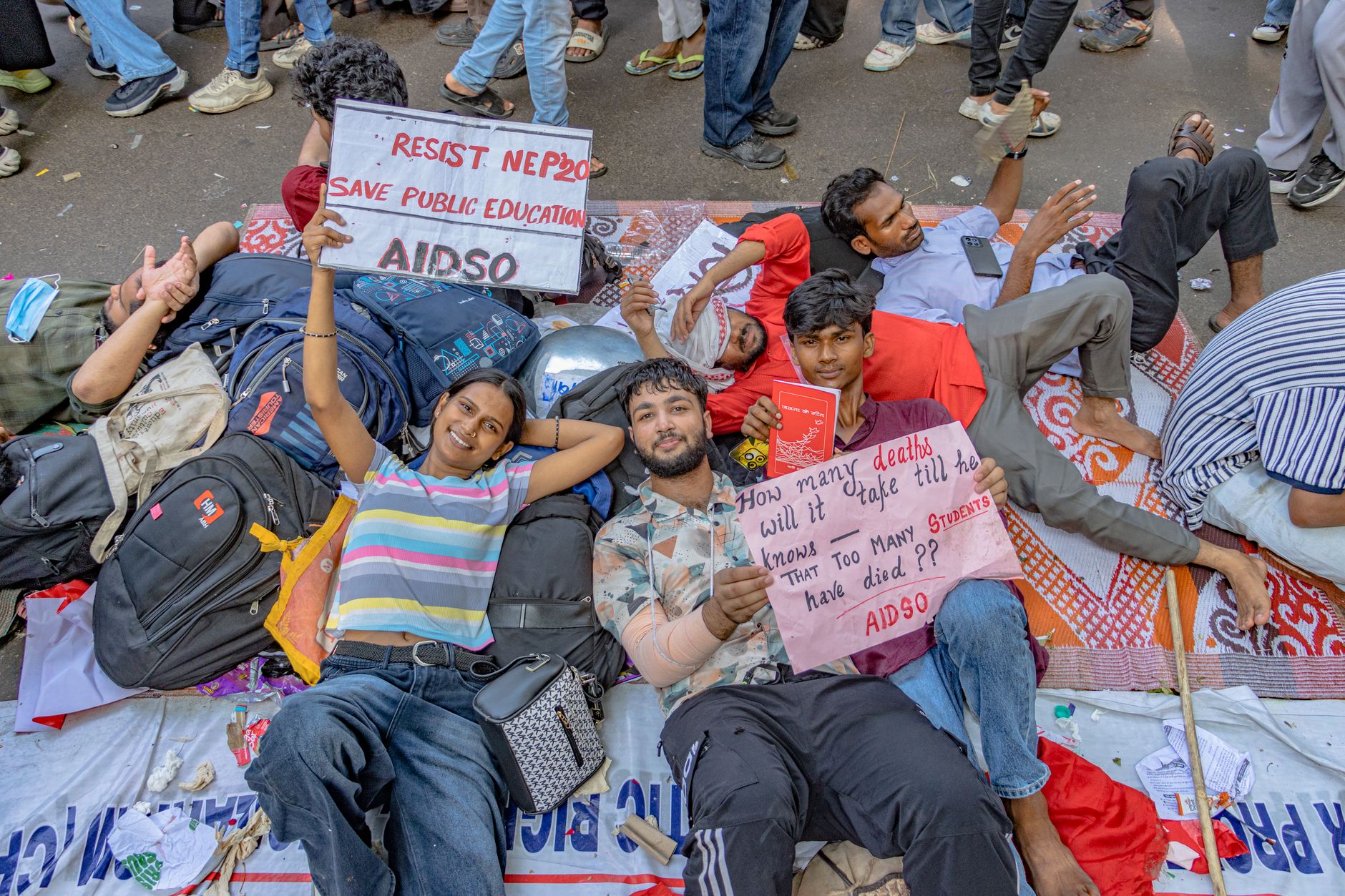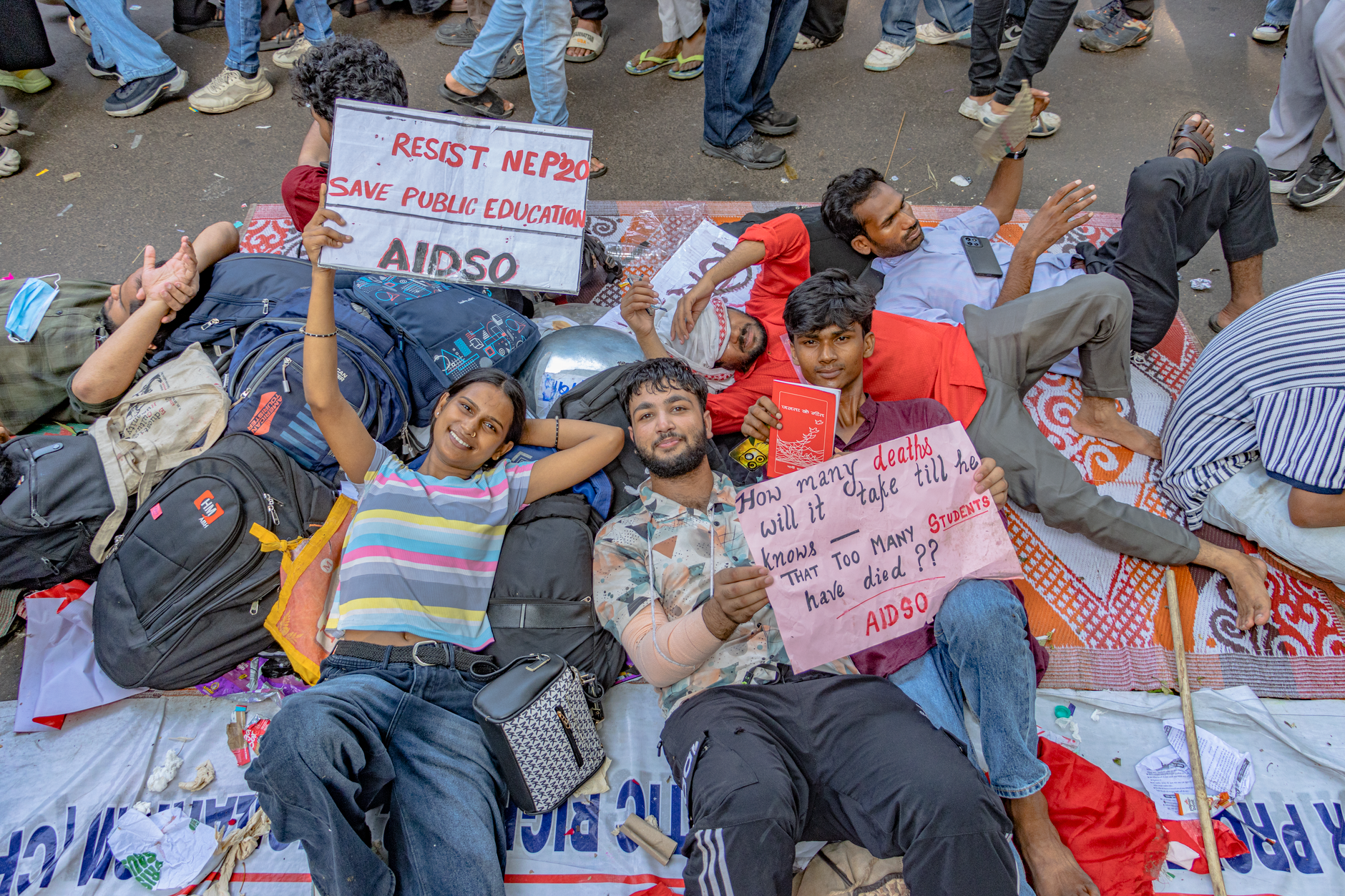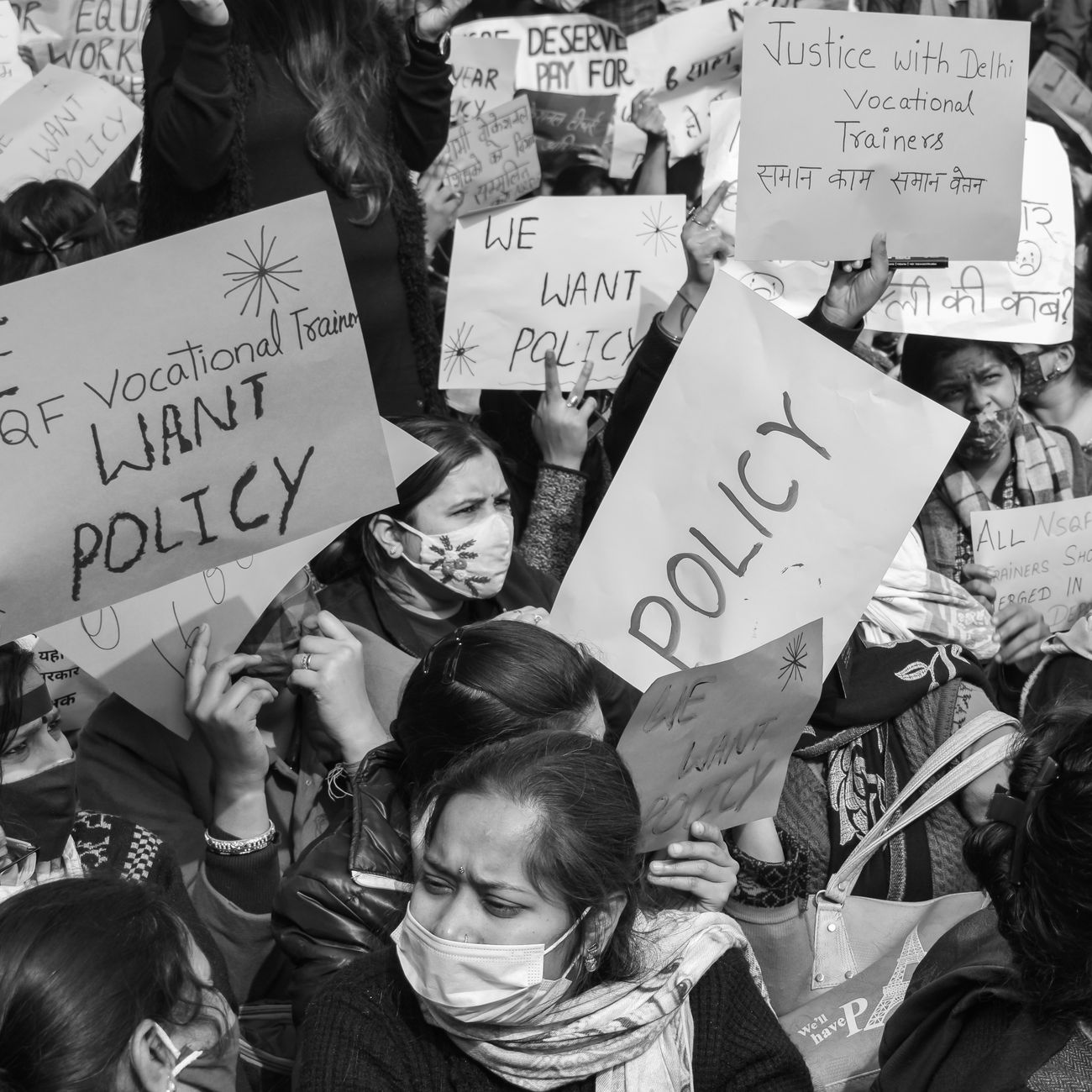
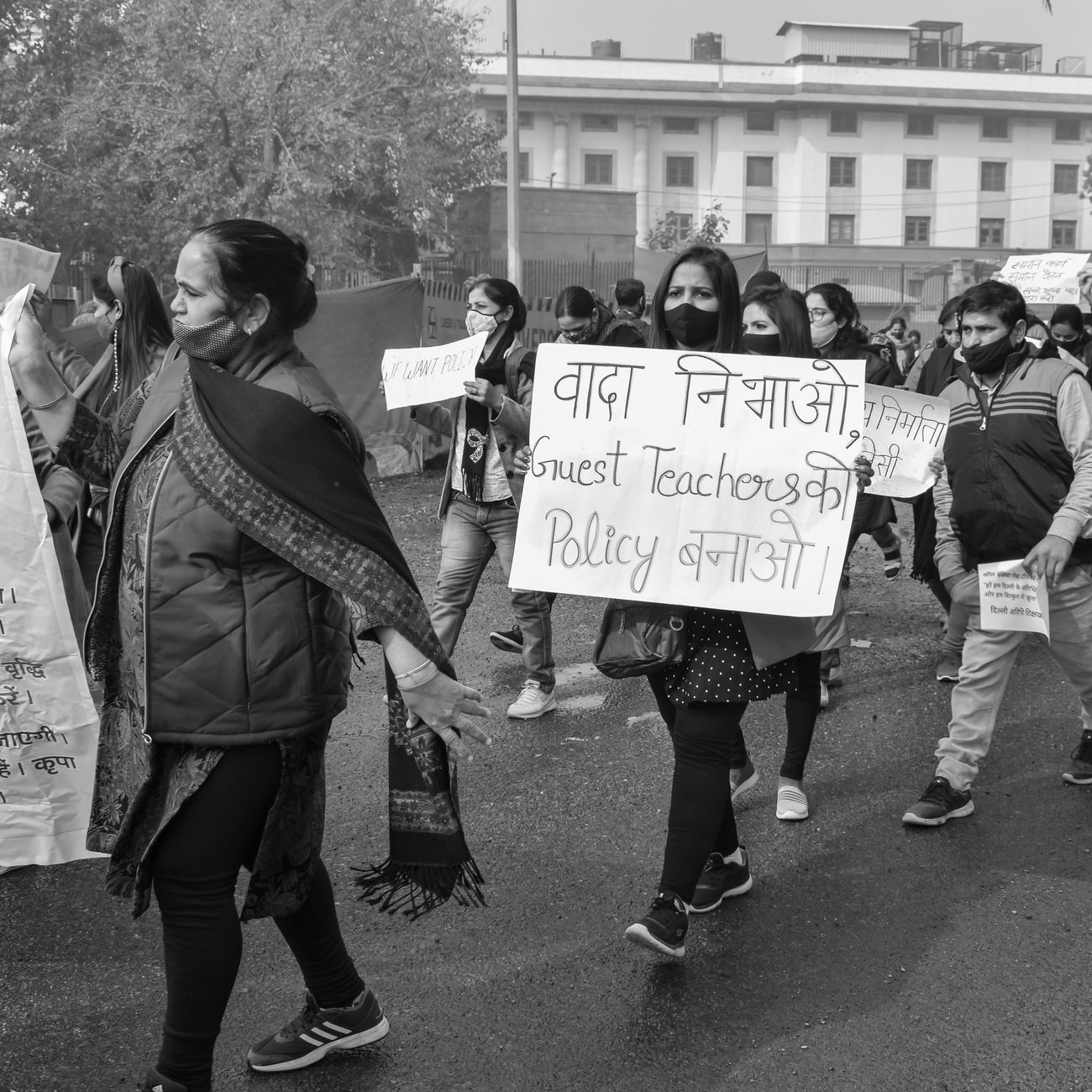
India's democratic fabric is experiencing a remarkable revival through an unexpected source: student-led protests that have captured national attention and sparked conversations about educational rights, governance, and civic participation. These movements, emerging from university campuses and educational institutions across the country, represent more than just isolated incidents of dissent—they signal a fundamental shift in how young Indians engage with democracy.
The Rise of Campus Activism
Student protests in India have a long and storied history, from the independence movement to the emergency period of the 1970s. However, recent years saw a decline in organized student activism as campuses became increasingly commercialized and students focused primarily on career advancement. The current wave of protests marks a departure from this trend, with students once again taking ownership of democratic spaces and demanding accountability from institutions.
These movements have emerged in response to various triggers, including concerns about educational access, fee hikes, campus autonomy, examination policies, and infrastructure deficiencies. What sets them apart is their persistence and ability to sustain momentum despite administrative pressure and political opposition.
Understanding the Grassroots Nature
The strength of these protests lies in their organic, decentralized structure. Unlike top-down political mobilizations, student movements have grown from genuine grievances experienced by young people navigating India's complex educational system. Students are employing creative tactics that blend traditional protest methods with digital activism, making their voices heard both on streets and social media platforms.
The movements have transcended traditional boundaries of caste, religion, and regional identity in many instances, creating coalitions based on shared concerns about educational quality and democratic rights. This inclusive approach has broadened their appeal and legitimacy, drawing support from parents, alumni, and civil society organizations.
Key Issues Driving Student Mobilization
Several interconnected issues fuel the current wave of student activism:
- Affordability and access: Rising educational costs that price out students from economically disadvantaged backgrounds
- Quality concerns: Deteriorating infrastructure, faculty shortages, and outdated curricula that fail to prepare students for modern employment
- Autonomy threats: Perceived interference in academic freedom and institutional independence
- Examination reforms: Policies affecting assessment methods and academic calendars
- Campus safety: Inadequate security measures and responses to incidents affecting student welfare
- Employment prospects: Growing anxiety about job opportunities following graduation
Impact on Democratic Culture
These protests serve a crucial function beyond their immediate demands. They create spaces for young Indians to practice democratic participation, learn negotiation skills, and understand the mechanics of civic engagement. Students involved in these movements develop critical thinking abilities and leadership qualities that benefit society long after specific protests conclude.
The movements also hold institutions accountable, forcing administrations and policymakers to engage with stakeholders rather than implement decisions unilaterally. This accountability mechanism strengthens democratic norms and establishes precedents for transparent governance.
Challenges and Obstacles
Student activists face significant challenges, including administrative crackdowns, political interference, and attempts to delegitimize their concerns. Some protests have encountered heavy-handed responses, with authorities suspending students or restricting campus activities. There are also efforts to portray legitimate grievances as politically motivated or anti-national, complicating the movements' ability to maintain public support.
Additionally, sustaining momentum proves difficult as academic pressures, examination schedules, and graduation cycles fragment activist communities. Converting protest energy into lasting institutional change remains an ongoing challenge.
The Digital Dimension
Social media platforms have transformed how student protests operate and communicate. Real-time documentation of events, rapid information dissemination, and ability to build solidarity networks across geographical boundaries have amplified student voices. However, this digital dimension also exposes movements to misinformation campaigns and coordinated online harassment.
Looking Forward
The resurgence of student activism represents a healthy sign for Indian democracy. It demonstrates that young citizens refuse to accept passive roles in shaping their futures and are willing to engage critically with institutions that affect their lives. Whether these movements translate into sustained democratic engagement beyond campus issues will depend on multiple factors, including institutional responsiveness, political culture, and the ability of activists to build lasting organizations.
Educational institutions serve as training grounds for democratic citizenship. When students learn to organize, articulate demands, negotiate with authorities, and build coalitions, they develop skills essential for participatory democracy. The current wave of protests, regardless of their immediate outcomes, contributes to creating an informed, engaged citizenry capable of holding power accountable—the foundation of any thriving democracy.