Corporate Social Responsibility has emerged as a powerful catalyst for social change in India, particularly in the education sector where disparities between urban and rural areas remain stark. The collaboration between corporations and grassroots organizations is creating sustainable models for educational development in underserved communities.
The State of Rural Education in India
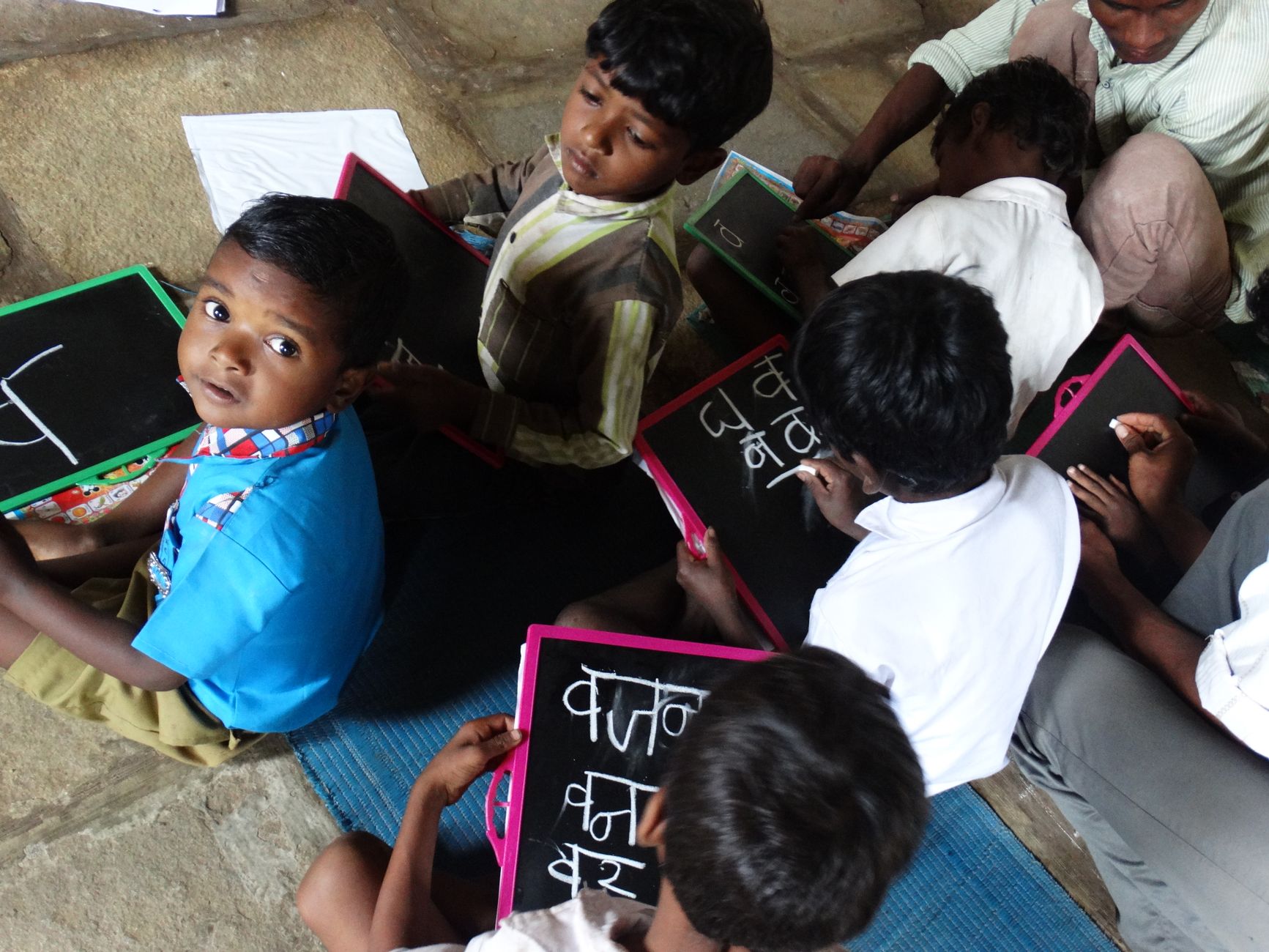
Rural schools in India continue to face significant challenges despite various government initiatives. Infrastructure deficiencies, teacher shortages, lack of learning materials, and limited access to technology create barriers to quality education for millions of children. According to recent education reports, rural areas often struggle with higher dropout rates, particularly among girls, and lower learning outcomes compared to their urban counterparts.
The digital divide has become increasingly apparent, especially after the pandemic exposed the gap in access to online learning resources. Many rural schools lack basic amenities such as proper classrooms, libraries, functional toilets, and electricity, making it difficult to provide a conducive learning environment.
Understanding CSR in the Education Sector
The Companies Act 2013 mandates that certain profitable companies spend at least 2% of their average net profits from the previous three years on CSR activities. Education and skill development feature prominently among the approved CSR focus areas, making it one of the most popular sectors for corporate investment.
This mandatory provision has channeled substantial funds into educational initiatives, with companies partnering with non-governmental organizations and foundations to implement programs effectively. These partnerships leverage corporate resources and NGO expertise to create meaningful impact on the ground.
Key Components of Effective Educational CSR
Successful CSR initiatives in rural education typically focus on multiple interconnected areas:
- Infrastructure development including classroom construction, toilet facilities, and boundary walls
- Learning resource provision such as books, stationery, and digital learning tools
- Teacher training programs to enhance pedagogical skills and subject knowledge
- Student scholarship programs to reduce financial barriers to education
- Nutritional support through midday meal enhancements and health check-ups
- Digital literacy programs introducing computers and internet connectivity
- Vocational training to improve employability for older students
The Role of Foundation Partnerships
Grassroots foundations bring invaluable local knowledge and community connections to CSR partnerships. Organizations working in specific regions understand cultural contexts, language needs, and unique challenges faced by local communities. They serve as implementation partners, ensuring that corporate resources translate into tangible benefits for beneficiaries.
These foundations also provide monitoring and evaluation frameworks, helping corporations measure the impact of their CSR investments. Regular reporting and transparency ensure accountability and enable course corrections when needed.
Measurable Impact on Student Outcomes
Well-designed educational CSR programs have demonstrated measurable improvements in various metrics. Enhanced infrastructure leads to better attendance rates, particularly among female students when separate toilet facilities are provided. Access to quality learning materials and trained teachers correlates with improved learning outcomes and standardized test scores.
Beyond academic performance, these initiatives often address holistic development, including health, nutrition, and life skills. Students gain exposure to technology and career opportunities they might not otherwise encounter, broadening their aspirations and future possibilities.
Challenges in Implementation
Despite the positive impact, CSR initiatives in rural education face several challenges. Geographical remoteness makes program monitoring difficult. Ensuring sustainability beyond the initial project period requires careful planning and community ownership. Coordination between multiple stakeholders—corporations, foundations, schools, and government bodies—demands significant effort.
There is also the risk of duplication or gaps in coverage, where some areas receive multiple interventions while others remain underserved. Effective mapping and coordination mechanisms are essential to optimize resource allocation.
The Path Forward
The future of educational CSR lies in creating scalable, sustainable models that can be replicated across regions. Technology integration, teacher empowerment, and community participation are key elements for long-term success. Corporations are increasingly moving beyond one-time donations to strategic, multi-year commitments that allow for deeper engagement and measurable transformation.
Collaboration between companies, foundations, government agencies, and communities creates a multiplier effect, amplifying the impact of individual efforts. As more organizations recognize education as a fundamental driver of social and economic development, CSR investments in this sector are likely to grow, potentially transforming the landscape of rural education in India.
The success of such initiatives ultimately depends on aligning corporate objectives with community needs, maintaining transparency in operations, and committing to sustained engagement that outlasts initial project timelines.