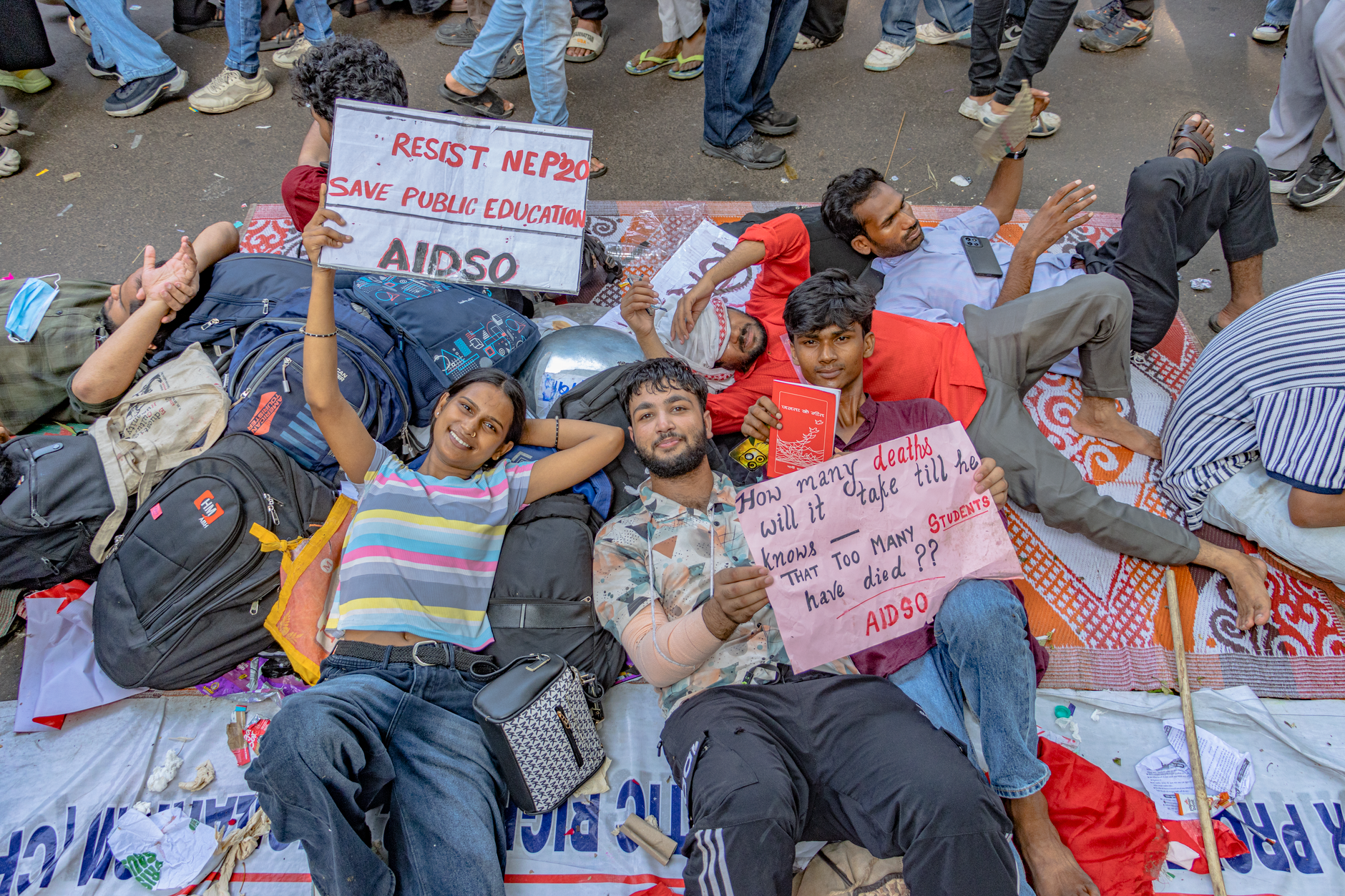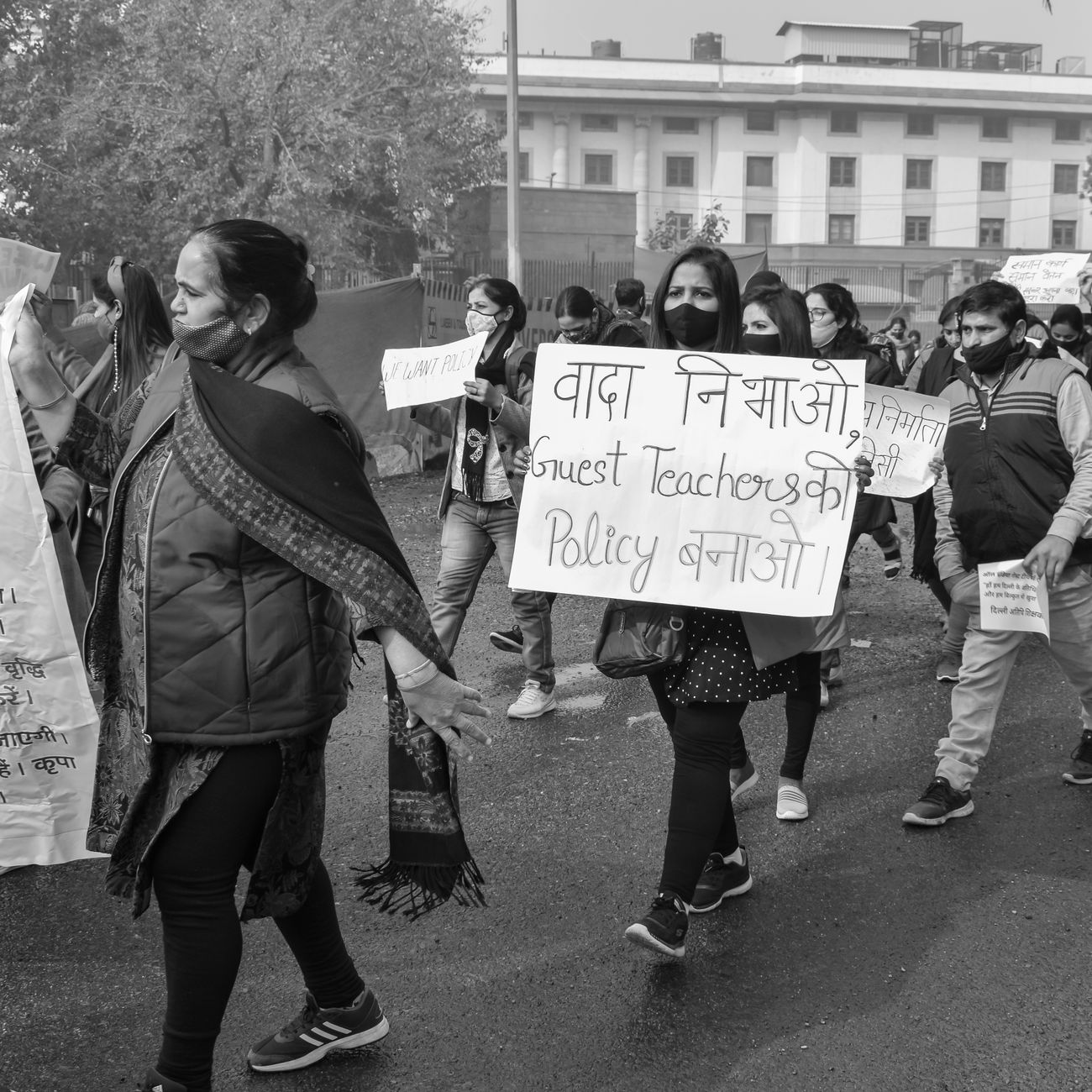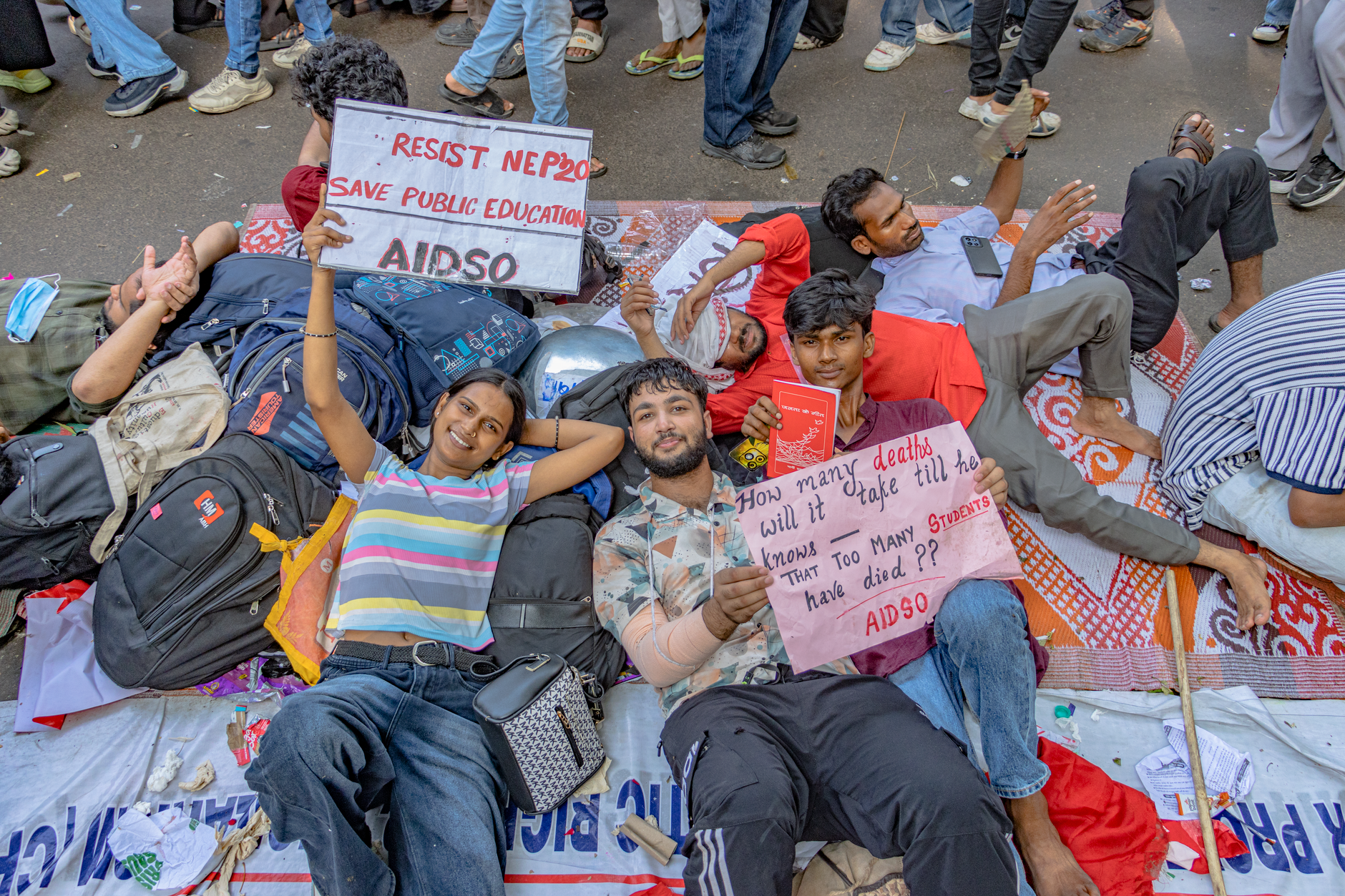
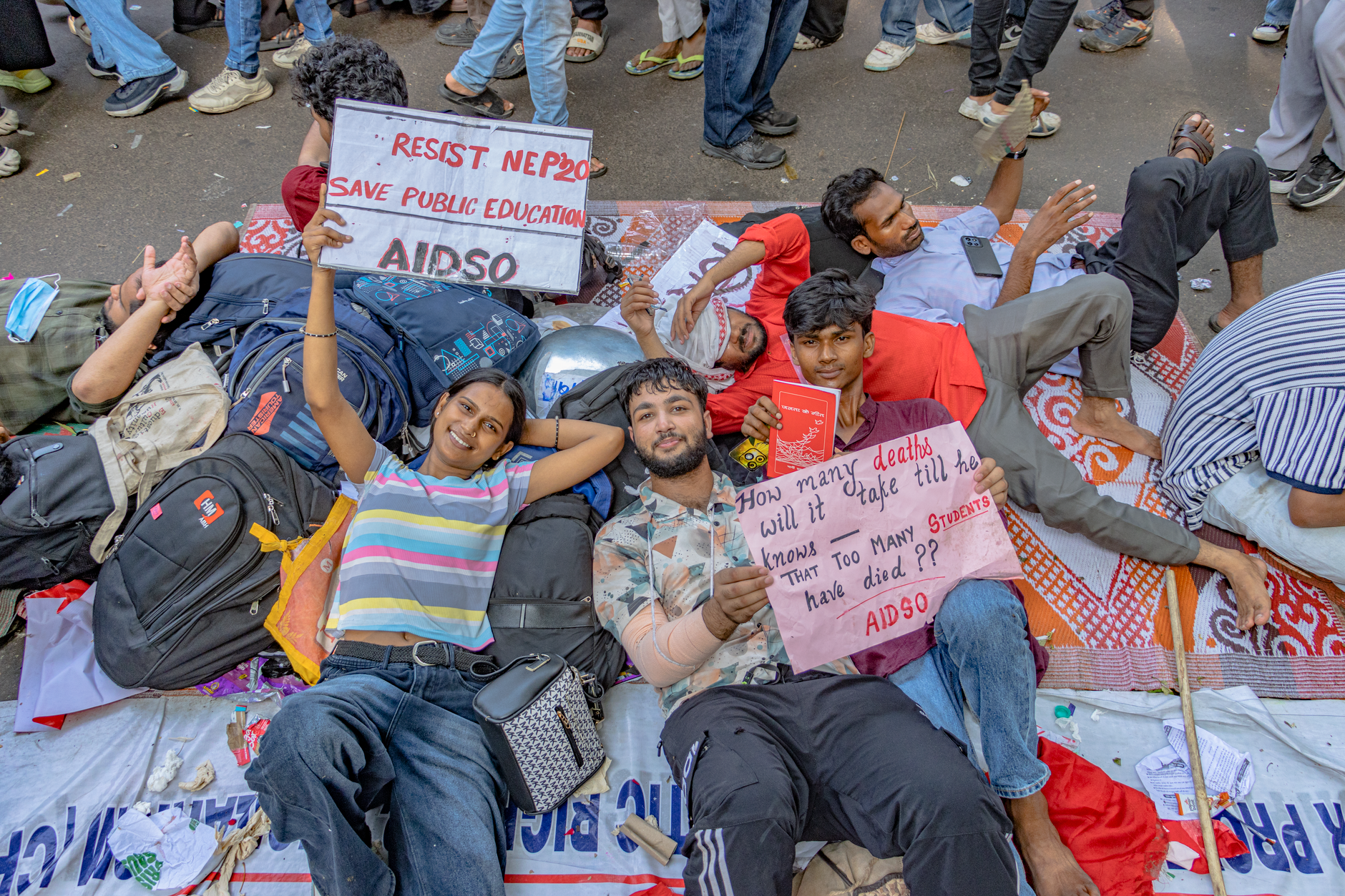
India's educational landscape is witnessing a transformation, not through policy announcements or administrative circulars, but through the determined voices of its youngest stakeholders. Generation Z students, armed with smartphones, statistical evidence, and an unshakeable belief in their right to quality education, have redefined how protests unfold in the country's academic sphere.
The New Face of Student Activism
Unlike previous generations of student protesters who relied primarily on physical gatherings and traditional media coverage, today's Gen Z activists have crafted a hybrid model of resistance. They combine ground-level demonstrations with meticulously researched data presentations, viral social media campaigns, and real-time documentation of their concerns.
These digital natives understand that cold, hard statistics often speak louder than passionate speeches. They arrive at protests with infographics showing discrepancies in educational funding, charts highlighting infrastructure gaps between urban and rural institutions, and comparative analyses of examination patterns. This data-driven approach has made it significantly harder for authorities to dismiss their concerns as merely emotional outbursts.
What Sparked the Movement
The catalysts for these protests have been multifaceted. Issues ranging from sudden changes in examination patterns, seat allocation controversies, delays in result declarations, inadequate mental health support systems, to concerns about the relevance of curriculum in preparing students for a rapidly evolving job market have all contributed to student unrest.
What distinguishes current protests from historical student movements is the intersectionality of concerns. Gen Z protesters seamlessly connect educational issues with broader social justice themes, including accessibility for differently-abled students, representation of marginalized communities in higher education, and the financial burden of coaching culture.
Technology as the Great Equalizer
Social media platforms have become the organizational backbone of these movements. Students coordinate protests across multiple cities simultaneously using encrypted messaging apps, share real-time updates through Instagram stories, and build public support through carefully crafted Twitter threads that explain complex policy issues in accessible language.
The virality factor cannot be understated. A single video of a student articulating their grievances can reach millions within hours, creating pressure on educational institutions and government bodies to respond promptly. This immediate accountability was nearly impossible in the pre-digital era.
The Warm Spirit Factor
Despite their reliance on technology and data, these protests have been marked by remarkable warmth and inclusivity. Student protesters have consistently demonstrated:
- Peer support systems where seniors mentor juniors through the protest process
- Mental health check-ins organized within protest camps
- Shared meals and resources reflecting India's diverse culinary traditions
- Art installations and cultural performances that celebrate educational aspirations
- Intergenerational dialogues where students invite parents and teachers to understand their perspectives
This combination of analytical rigor and emotional intelligence has helped these movements sustain momentum where previous agitations might have fizzled out.
Institutional Responses and Impact
Educational institutions and policymakers have been forced to evolve their response mechanisms. Several universities have established dedicated student grievance portals, while others have created committees with student representation to review contentious policies before implementation.
Some tangible outcomes include revised examination schedules accommodating student concerns, increased transparency in admission processes, and pilot programs for mental health counseling on campuses. While systemic transformation remains a work in progress, the conversation itself has shifted fundamentally.
Challenges and Criticisms
Not all responses to Gen Z protests have been positive. Critics argue that constant agitation disrupts the academic calendar and creates an adversarial relationship between students and administrators. Some worry about misinformation spreading through social media channels and the potential for external political interests to co-opt genuine student movements.
Additionally, the digital divide means that students from less privileged backgrounds may not have equal access to the technological tools that have become central to organizing these protests, potentially creating new hierarchies within student activism itself.
Looking Ahead
The long-term implications of this protest culture are still unfolding. What seems certain is that Gen Z has permanently altered the expectations around student participation in educational governance. Future administrators will need to factor in data transparency, rapid digital communication, and genuine student consultation as baseline requirements rather than optional gestures.
The fusion of analytical thinking with compassionate community-building that characterizes these protests may well become the template for youth activism across various sectors in India. As this generation moves from educational institutions into workplaces and civic spaces, they carry with them a distinctive approach to demanding accountability while maintaining human connection.