
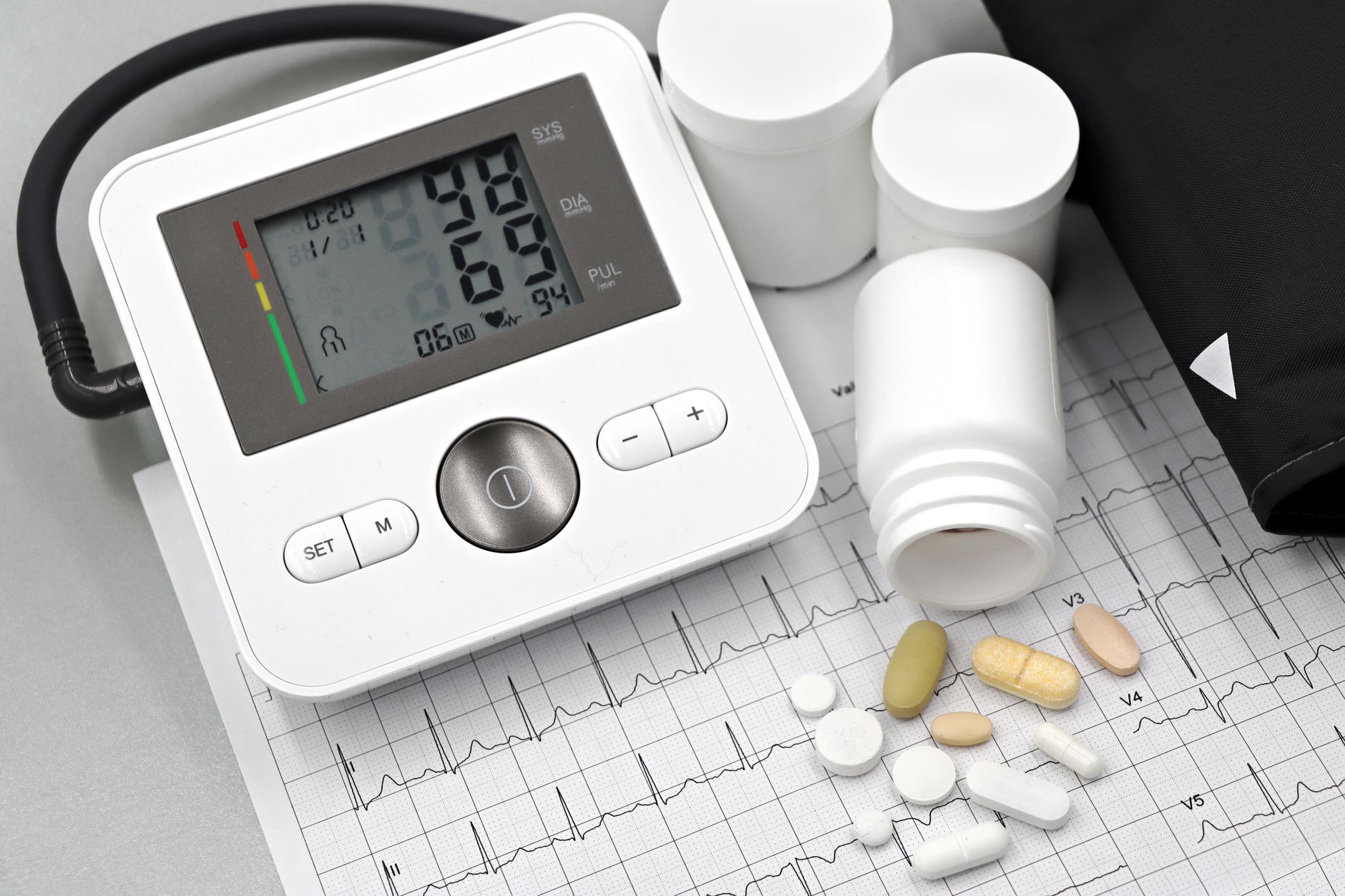
India faces a concerning rise in cardiovascular diseases, with heart attacks affecting people at younger ages compared to Western populations. In this context, prominent cardiac surgeon Dr Devi Shetty has made a bold recommendation that every Indian should undergo cholesterol testing at age 17, a suggestion that challenges conventional screening timelines and raises important questions about preventive healthcare.
The Growing Heart Health Crisis in India
India has been dubbed the heart disease capital of the world, with cardiovascular conditions claiming more lives than any other disease category. What makes this particularly alarming is that Indians tend to develop heart disease a decade earlier than their Western counterparts, often experiencing heart attacks in their 40s and 50s. This early onset is attributed to a combination of genetic predisposition, lifestyle factors, and metabolic conditions that manifest earlier in the South Asian population.
The traditional approach to cholesterol screening typically begins in the mid-30s or 40s for most individuals. However, this timeline may be too late for populations with higher genetic risk factors and rapidly changing lifestyle patterns.
Understanding Cholesterol and Its Early Impact
Cholesterol is a waxy substance found in blood that the body needs to build healthy cells. However, high levels of cholesterol can increase the risk of heart disease by forming deposits in blood vessels that eventually restrict blood flow. There are several types of cholesterol, including LDL (low-density lipoprotein), often called "bad" cholesterol, and HDL (high-density lipoprotein), known as "good" cholesterol.
The process of plaque buildup in arteries, known as atherosclerosis, doesn't happen overnight. It can begin in childhood or adolescence and progress silently over decades. This is why early detection becomes crucial, as it provides a window of opportunity to implement lifestyle changes before irreversible damage occurs.
Why Age 17 Matters
The recommendation to test at 17 is strategic for several reasons:
- This age marks late adolescence when lifestyle patterns become more established
- Metabolic changes during puberty have stabilized, providing more reliable baseline readings
- It allows for early intervention through diet and lifestyle modification during formative years
- Young adults are beginning to make independent food and exercise choices
- Early awareness can influence long-term health behaviors
By identifying elevated cholesterol levels in teenagers, healthcare providers can work with individuals and families to implement preventive strategies before the onset of significant arterial damage.
Risk Factors in the Indian Context
Several factors make early cholesterol screening particularly relevant for Indians:
Indians have a higher prevalence of metabolic syndrome, characterized by a cluster of conditions including high blood pressure, elevated blood sugar, excess abdominal fat, and abnormal cholesterol levels. The rapid urbanization and dietary shifts have led to increased consumption of processed foods, refined carbohydrates, and unhealthy fats. Additionally, sedentary lifestyles are becoming the norm among young people, with screen time replacing physical activity.
Genetic factors also play a role, as certain communities have higher predispositions to lipid disorders. Family history of early heart disease is a significant risk factor that warrants earlier screening.
What the Test Involves
A cholesterol test, also known as a lipid panel or lipid profile, is a simple blood test that measures total cholesterol, LDL cholesterol, HDL cholesterol, and triglycerides. The test typically requires fasting for 9-12 hours beforehand to ensure accurate results. The procedure is quick, minimally invasive, and relatively inexpensive, making it accessible for widespread screening.
Acting on the Results
If elevated cholesterol is detected at an early age, the first line of intervention involves lifestyle modifications rather than immediate medication. These include adopting a heart-healthy diet rich in fruits, vegetables, whole grains, and lean proteins, regular physical activity for at least 150 minutes per week, maintaining a healthy weight, avoiding tobacco, and limiting alcohol consumption.
Regular follow-up testing helps monitor whether these interventions are effective or if additional medical management becomes necessary.
Implementing a Screening Culture
For Dr Shetty's recommendation to become reality, it requires systemic changes including awareness campaigns in schools and colleges, integration of lipid screening into routine health check-ups for teenagers, insurance coverage for preventive testing, and education for parents and young adults about cardiovascular risk factors.
Early detection and intervention can dramatically reduce the burden of cardiovascular disease in India, potentially saving countless lives and reducing healthcare costs associated with treating advanced heart disease.
This article is for general informational purposes only and does not constitute medical advice. Please consult with qualified healthcare professionals for personalized health recommendations and before making any decisions about medical testing or treatment.