
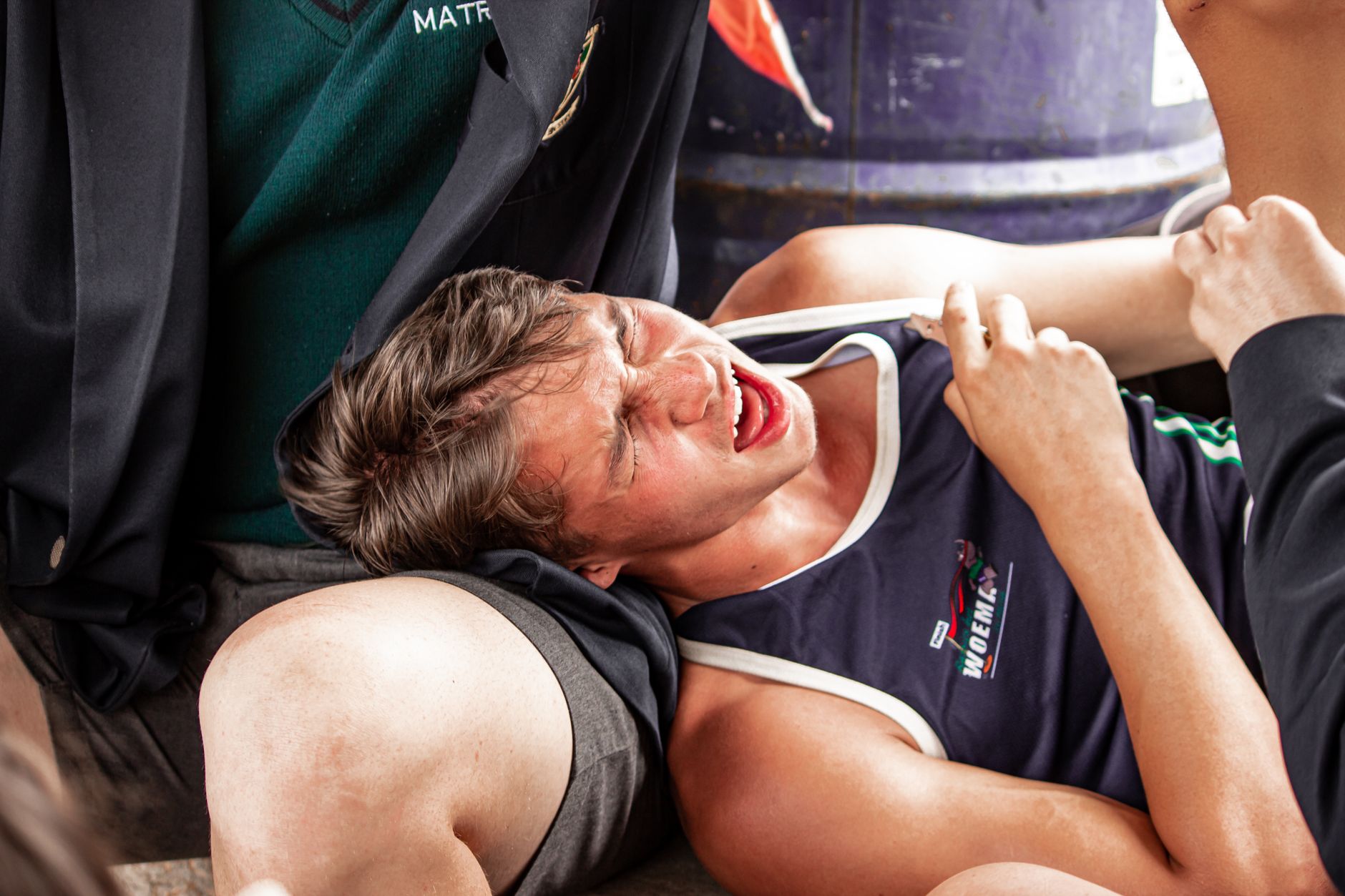
The pressure on athletes intensifying as major sporting events approach is immense, and when health complications emerge in the crucial lead-up period, both the competitor and their support team face a race against time. Health setbacks before competitions like the Commonwealth Games represent not just physical challenges but complex scenarios involving medical expertise, training modifications, and psychological fortitude.
The Critical Timeline of Athletic Recovery
Elite athletes operate on finely tuned training schedules, with peak performance periods carefully calibrated months in advance. When an injury or illness occurs weeks before a major event, medical teams must balance aggressive treatment with the risk of overexertion. The recovery timeline becomes a careful negotiation between what the body needs to heal and what competitive demands require.
Most sports medicine protocols recognize that forcing an athlete back too quickly can result in re-injury or compromised performance. However, the window for major competitions is inflexible, creating difficult decisions about pain management, modified training loads, and realistic performance expectations.
Common Pre-Competition Health Challenges
Athletes face various health concerns that can derail preparation:
- Acute injuries from training accidents or overuse
- Viral infections that compromise cardiovascular fitness
- Inflammatory conditions affecting joints and muscles
- Stress-related immune system suppression
- Chronic injury flare-ups under intense training loads
Each category requires different medical approaches and recovery timelines. A muscular injury might respond to targeted physiotherapy and modified training within days, while respiratory infections can significantly impact cardiovascular capacity for weeks.
The Psychological Dimension
Beyond physical recovery, athletes dealing with last-minute health scares face significant mental challenges. The uncertainty about whether they will compete at all, let alone at their best, creates anxiety that can itself impact recovery and performance.
Sports psychologists emphasize that mental preparation must adapt alongside physical rehabilitation. Visualization techniques, modified goal-setting, and stress management become crucial tools. Athletes must maintain competitive mindset while accepting they may not be at 100 percent physical capacity.
The support system around the athlete—coaches, family, medical staff, and federation officials—plays a vital role in maintaining psychological balance during this stressful period.
Medical Interventions and Ethical Considerations
Modern sports medicine offers various interventions to accelerate recovery, from advanced physiotherapy and cryotherapy to anti-inflammatory medications and targeted injections. However, all treatments must comply with anti-doping regulations, adding complexity to medical decision-making.
Team doctors must weigh the benefits of aggressive intervention against potential side effects and the athlete's long-term health. The pressure to have a medal contender competition-ready can conflict with conservative medical judgment, requiring clear communication and ethical boundaries.
Training Modifications During Recovery
When full training becomes impossible, coaches must creatively maintain fitness while allowing healing. This might involve:
- Cross-training in lower-impact disciplines
- Technique work without full intensity
- Mental rehearsal and strategy sessions
- Maintaining cardiovascular base through modified activities
- Strength maintenance in unaffected areas
The goal is arriving at competition with sufficient specific fitness while avoiding aggravating the injury or illness.
The Role of Team Management
Sporting federations and team management face their own dilemmas when key athletes face fitness doubts. They must decide whether to name the athlete to the squad based on optimistic recovery projections or select fully fit alternatives. This becomes particularly complex in team events where one person's participation affects others.
Transparent communication with all stakeholders—the athlete, medical team, backup competitors, and media—helps manage expectations and maintains trust even when difficult decisions must be made.
Comeback Success Stories
Sports history offers numerous examples of athletes overcoming last-minute health scares to compete successfully. These stories typically share common elements: excellent medical support, realistic goal adjustment, strong mental resilience, and sometimes an element of calculated risk.
However, for every success story, there are cautionary tales of athletes who competed before fully ready, resulting in poor performance or worsened injury.
The decision to compete through pain or reduced fitness ultimately rests with the athlete, but should be made with full medical information and without undue external pressure. National pride and medal expectations cannot override individual health and career longevity considerations.
This article provides general information about athletic injuries and recovery, and should not be considered medical advice. Athletes facing health concerns should consult qualified sports medicine professionals for personalized guidance appropriate to their specific situation.