Uttarakhand has recently earned recognition as India's sixth fully literate state, marking a significant achievement in the country's educational landscape. This milestone places the Himalayan state alongside Kerala, Lakshadweep, Minicoy, Delhi, and Puducherry in achieving universal literacy. But what does it truly mean for a state to be declared fully literate, and how is this status determined?
Understanding Full Literacy Status
The term "fully literate" doesn't mean that every single person in the state can read and write. Instead, it refers to achieving a literacy rate that crosses a specific threshold set by educational authorities. In India, a state is typically considered fully literate when it achieves a literacy rate of 90 percent or above among its population aged seven years and older.
The definition of literacy itself is important to understand. According to census definitions, a person is considered literate if they can read and write with understanding in any language. For census purposes, children below seven years of age are not counted in literacy statistics, as formal education typically begins around this age.
How States Earn the Literacy Tag
Achieving full literacy status requires sustained efforts across multiple dimensions of education and social development. States must demonstrate success in several key areas:
- Universal enrollment of children in schools
- Reduction of dropout rates at primary and secondary levels
- Adult literacy programs targeting populations that missed formal education
- Infrastructure development including adequate schools and teachers
- Special focus on marginalized communities and remote areas
- Gender parity in educational access and outcomes
The process involves rigorous data collection through census operations, educational surveys, and verification by national bodies including the Ministry of Education and the National Statistical Office. States cannot simply self-declare literacy achievements; they must meet verification standards through official assessment mechanisms.
Uttarakhand's Journey to Literacy
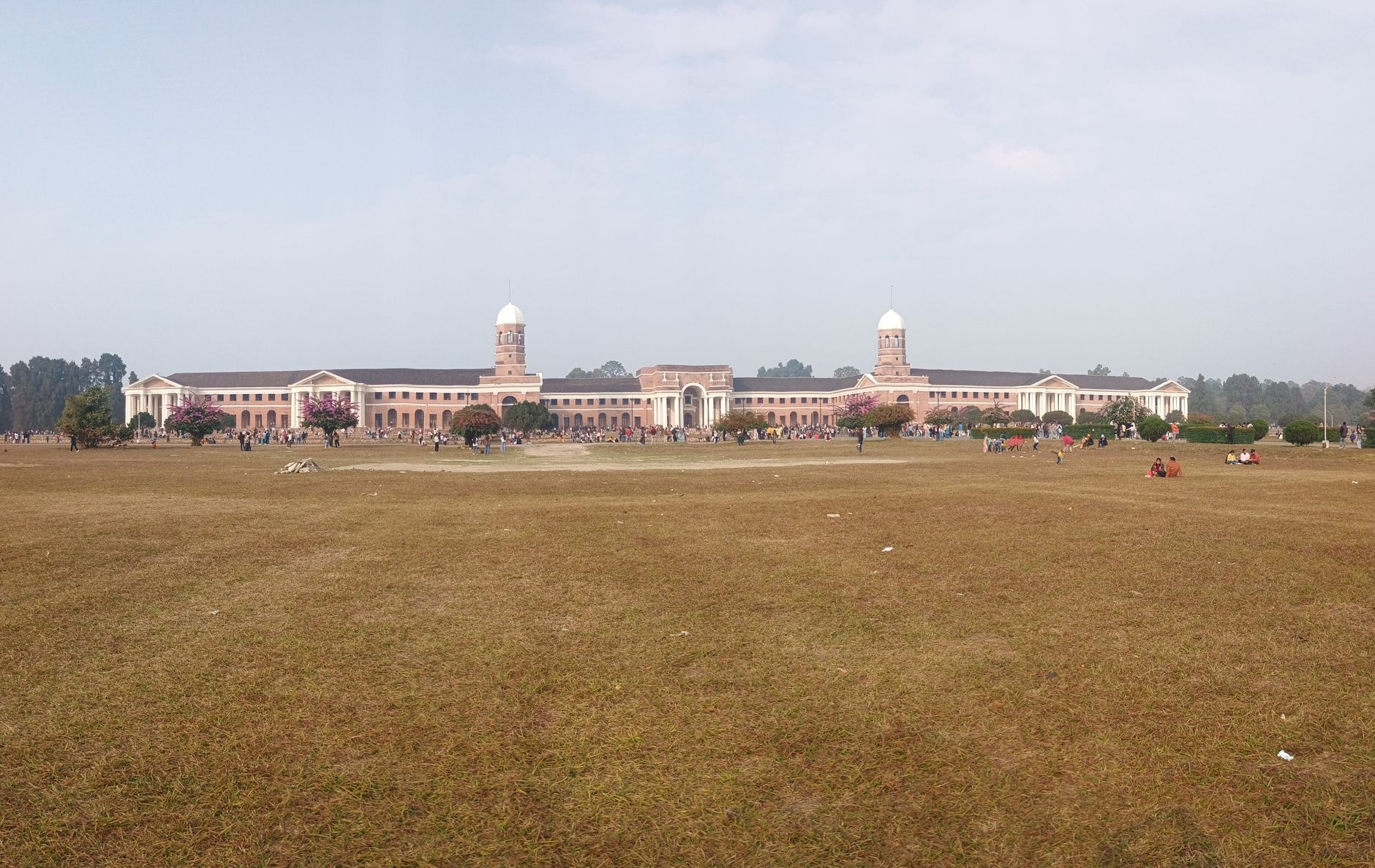
Uttarakhand, formed as a separate state in 2000, has made remarkable progress in educational indicators over the past two decades. The state has invested significantly in educational infrastructure, particularly in remote hill districts where accessibility posed historical challenges.
Key factors contributing to Uttarakhand's success include targeted interventions in rural areas, emphasis on female education, deployment of teachers in underserved regions, and community participation in education initiatives. The state has also benefited from relatively better socio-economic indicators compared to several larger Indian states, along with focused implementation of central education schemes.
The Literacy Landscape in India
India's overall literacy rate has improved substantially since independence, rising from around 18 percent in 1951 to approximately 77-78 percent according to recent estimates. However, significant disparities exist between states, between urban and rural areas, and between male and female literacy rates.
Kerala has historically led India's literacy movement, achieving full literacy status decades ago through comprehensive social programs. The southern state's literacy rate exceeds 95 percent, setting a benchmark for other regions. Union territories like Lakshadweep, Delhi, and Puducherry have also achieved high literacy rates, often benefiting from smaller populations and concentrated development efforts.
States like Bihar, Rajasthan, and Arunachal Pradesh continue to face literacy challenges, with rates below the national average. These states contend with factors including large populations, geographical challenges, socio-economic barriers, and historical underdevelopment of educational infrastructure.
Challenges Beyond the Numbers
While achieving full literacy status is commendable, experts emphasize that literacy rates alone don't capture the complete picture of educational quality. Functional literacy—the ability to use reading and writing skills for practical purposes—and quality of education remain ongoing challenges even in high-literacy states.
Issues such as learning outcomes, comprehension levels, retention of knowledge, and application of skills in real-world contexts require attention beyond simply achieving literacy thresholds. The focus must gradually shift from mere enrollment and basic literacy to ensuring meaningful education that equips citizens with skills for the modern economy.
Looking Forward
Uttarakhand's achievement demonstrates that focused policy interventions, adequate resource allocation, and community engagement can overcome geographical and developmental challenges. As India aims to become fully literate as a nation, the experiences of successful states provide valuable lessons for regions still working toward universal literacy.
The ultimate goal extends beyond achieving statistical milestones to ensuring that every citizen has access to quality education that enables personal development, economic opportunity, and informed participation in democratic processes.