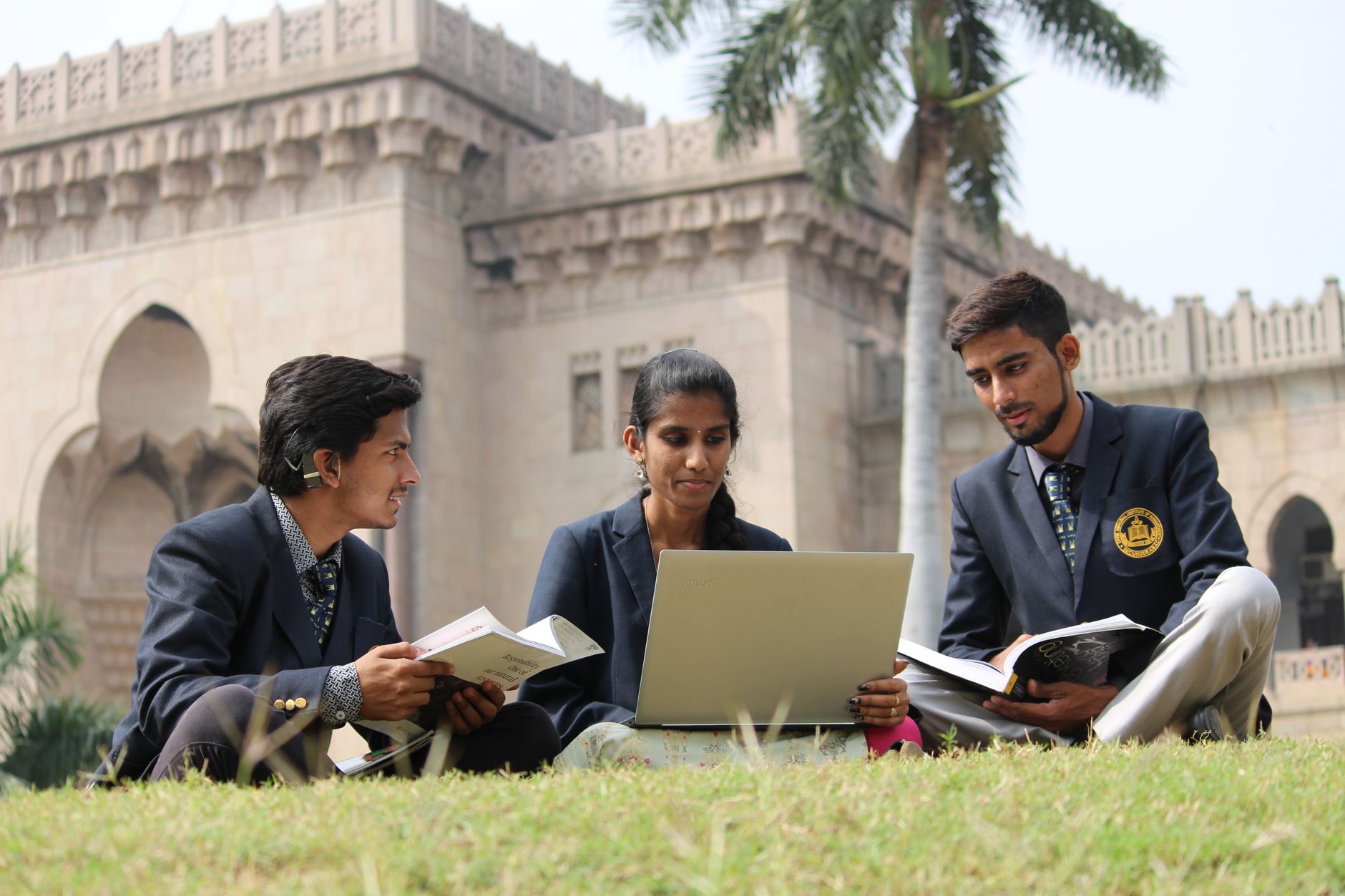
India's higher education landscape has witnessed a remarkable transformation, with total student enrolment crossing the 4.5 crore mark according to the latest All India Survey on Higher Education (AISHE) report. This milestone represents not just a quantitative leap but a qualitative shift in who is accessing higher education in the country, with women and students from historically marginalised communities leading the charge.
Understanding the Numbers Behind the Growth
The 4.5 crore enrolment figure translates to approximately 45 million students pursuing higher education across India's universities, colleges, and standalone institutions. This represents a significant increase from previous years and reflects the combined impact of government initiatives, increased infrastructure, and changing social attitudes toward education.
The Gross Enrolment Ratio (GER), which measures the proportion of eligible-age population enrolled in higher education, has also seen steady improvement. This metric is crucial for understanding not just raw numbers but actual access to education across different demographic segments.
Women Taking the Lead
One of the most encouraging aspects of this growth story is the rising participation of women in higher education. Female enrolment has shown remarkable momentum, with women students now comprising a substantial portion of the total enrolment figures.
Several factors have contributed to this shift:
- Improved safety infrastructure and women-only institutions
- Government scholarships and incentives specifically targeting female students
- Growing awareness about the economic benefits of educating daughters
- Expansion of distance and online learning options that offer flexibility
- Increased participation of women in professional courses like engineering, medicine, and management
In many states, female enrolment has actually surpassed male enrolment, particularly in arts, humanities, and science streams. This trend reflects changing societal attitudes and the breaking down of traditional gender barriers in education.
Marginalised Communities Making Strides
The report highlights significant progress in enrolment from Scheduled Castes (SC), Scheduled Tribes (ST), and Other Backward Classes (OBC). This demographic shift represents a crucial step toward educational equity and social inclusion.
Key drivers behind this progress include:
- Reservation policies ensuring seats for SC/ST/OBC students
- Targeted scholarship schemes and fee waivers
- Special coaching and mentoring programmes
- Establishment of institutions in previously underserved regions
- Community mobilisation efforts highlighting the importance of higher education
The increase in enrolment from minority communities, students from economically weaker sections, and first-generation learners further underscores the democratisation of higher education access.
Infrastructure Expansion and Policy Support
The government's focus on expanding higher education infrastructure has played a pivotal role in accommodating this growing student population. New universities, colleges, and polytechnics have been established across the country, with particular emphasis on tier-2 and tier-3 cities and rural areas.
Policy initiatives supporting this growth include the National Education Policy 2020, which aims for a GER of 50 percent by 2035, various scholarship schemes, and the push for multidisciplinary education. The emphasis on vocational education and skill development has also opened alternative pathways for students who might not pursue traditional academic streams.
Challenges Ahead
Despite these encouraging numbers, challenges remain. Quality of education varies significantly across institutions, with a concentration of premier institutions in urban areas. Employability of graduates continues to be a concern, with industry-academia gaps persisting in many fields.
Infrastructure strain is another issue, with the rapid expansion sometimes outpacing the availability of qualified faculty and adequate facilities. Ensuring that increased access translates to meaningful learning outcomes and career opportunities remains a critical policy priority.
Regional Disparities and Future Directions
While aggregate numbers show impressive growth, regional disparities persist. Some states have achieved much higher GERs than others, reflecting differences in economic development, social attitudes, and government commitment. Bridging these gaps will require targeted interventions and sustained investment.
The rise in enrolment from women and marginalised groups represents more than statistical progress—it signals a fundamental shift toward a more inclusive and equitable education system. As India aims to become a knowledge economy, ensuring that this expansion is accompanied by quality improvement and relevant skill development will determine whether these numbers translate into genuine socio-economic transformation.
The 4.5 crore milestone is not an endpoint but a marker on an ongoing journey toward universal access to quality higher education, where every talented student, regardless of gender, caste, or economic background, has the opportunity to pursue their academic aspirations.