India has long grappled with the challenge of keeping children in school through their formative years. Recent statistics indicating a decline in dropout rates across primary and secondary education levels represent a noteworthy achievement, reflecting the combined impact of policy interventions, infrastructure improvements, and changing social attitudes toward education.
Understanding the Dropout Challenge
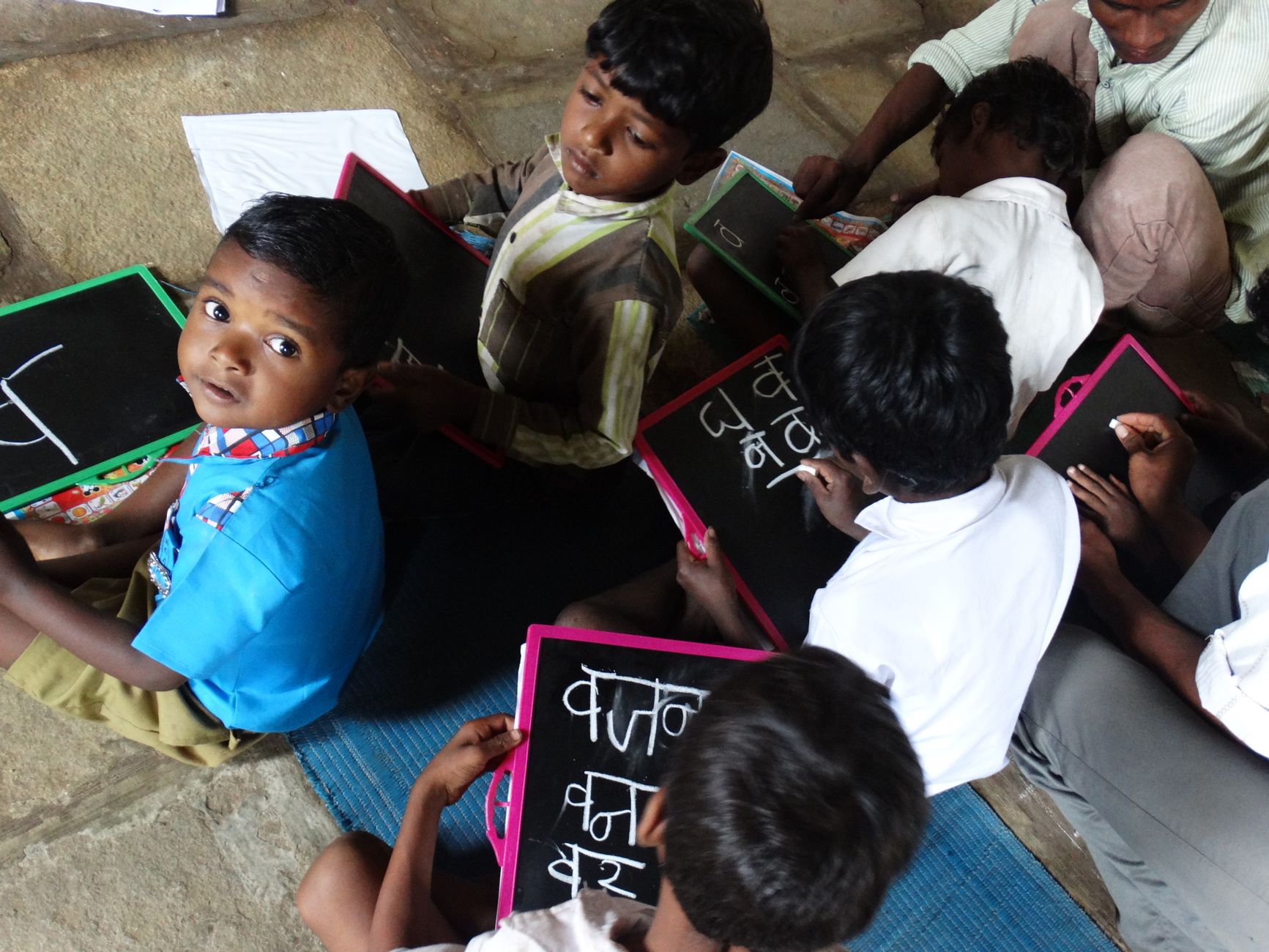
School dropout rates measure the percentage of students who leave the education system before completing a particular level of schooling. In India, dropout rates have historically been highest at the secondary level, followed by upper primary, with various socioeconomic factors contributing to students abandoning their studies. Girls, children from economically disadvantaged backgrounds, and those in rural areas have traditionally faced the highest risk of dropping out.
The reasons behind dropouts are multifaceted, ranging from economic pressures that push children into labour, to lack of accessible schools, inadequate infrastructure, poor learning outcomes, and social factors including early marriage and discrimination based on caste or gender.
Key Factors Behind the Improvement
Several initiatives and systemic changes have contributed to the declining dropout rates observed in recent data.
The expansion of the Right to Education Act's implementation has played a foundational role, establishing education as a fundamental right and creating accountability mechanisms for ensuring children remain in school. The Act's provisions regarding free and compulsory education have removed one significant barrier for economically disadvantaged families.
Midday meal schemes have proven to be powerful retention tools, addressing both nutritional needs and providing a direct incentive for parents to send children to school regularly. These programmes have shown particularly strong impact in rural and economically weaker communities.
Infrastructure development, including the construction of schools closer to habitations, provision of separate toilets for girls, and improvement in basic facilities, has made school attendance more practical and comfortable for students. The distance factor, which once forced many rural children to abandon education, has been significantly reduced.
Digital Initiatives and Pandemic Adaptations
The push toward digital education infrastructure, accelerated by the COVID-19 pandemic, has created new pathways for learning continuity. While the pandemic initially threatened to increase dropout rates significantly, targeted interventions and adaptations helped mitigate the worst impacts in many regions.
Scholarship programmes and financial incentives targeting girls and students from marginalised communities have directly addressed economic barriers. These schemes reduce the opportunity cost of education for families struggling with financial pressures.
Regional Variations and Persistent Gaps
Despite overall improvement, significant variations exist across states and regions. Some states have achieved near-universal retention at primary levels while others continue to struggle with high dropout rates. Urban-rural divides persist, with rural areas generally showing higher dropout rates.
Gender gaps, while narrowing, remain a concern in certain regions and communities. Cultural factors, safety concerns, and the persistence of early marriage continue to disproportionately affect girls' education in some areas.
Quality concerns also play a role in retention. When students fail to achieve basic learning outcomes despite attending school for several years, the perceived value of continued education diminishes, leading to higher dropout risks at secondary levels.
The Path Forward
Sustaining and building upon this positive trend requires continued focus on multiple fronts. Improving learning outcomes and ensuring that time spent in school translates into actual skill and knowledge development is crucial for maintaining student and parent engagement with the education system.
Targeted interventions for at-risk groups, including children from economically disadvantaged backgrounds, first-generation learners, and those from marginalised communities, need strengthening. Early identification systems that flag students at risk of dropping out can enable timely support.
Vocational education integration at secondary levels can make continued schooling more relevant for students who might otherwise leave to seek employment. Making curricula more aligned with real-world skills and career pathways can improve retention among adolescents.
Teacher training and support systems require ongoing investment, as engaged, well-trained teachers are fundamental to creating learning environments that students want to remain part of.
Measuring True Success
While declining dropout rates are encouraging, the ultimate measure of success lies in learning outcomes and the ability of the education system to prepare students for meaningful participation in society and the economy. Retention without quality learning represents only partial success.
The positive trend in dropout rates should be viewed as a foundation upon which to build a more comprehensive transformation of India's education system, one that ensures not just that children attend school, but that they emerge with the skills, knowledge, and capabilities needed to thrive in an increasingly complex world.