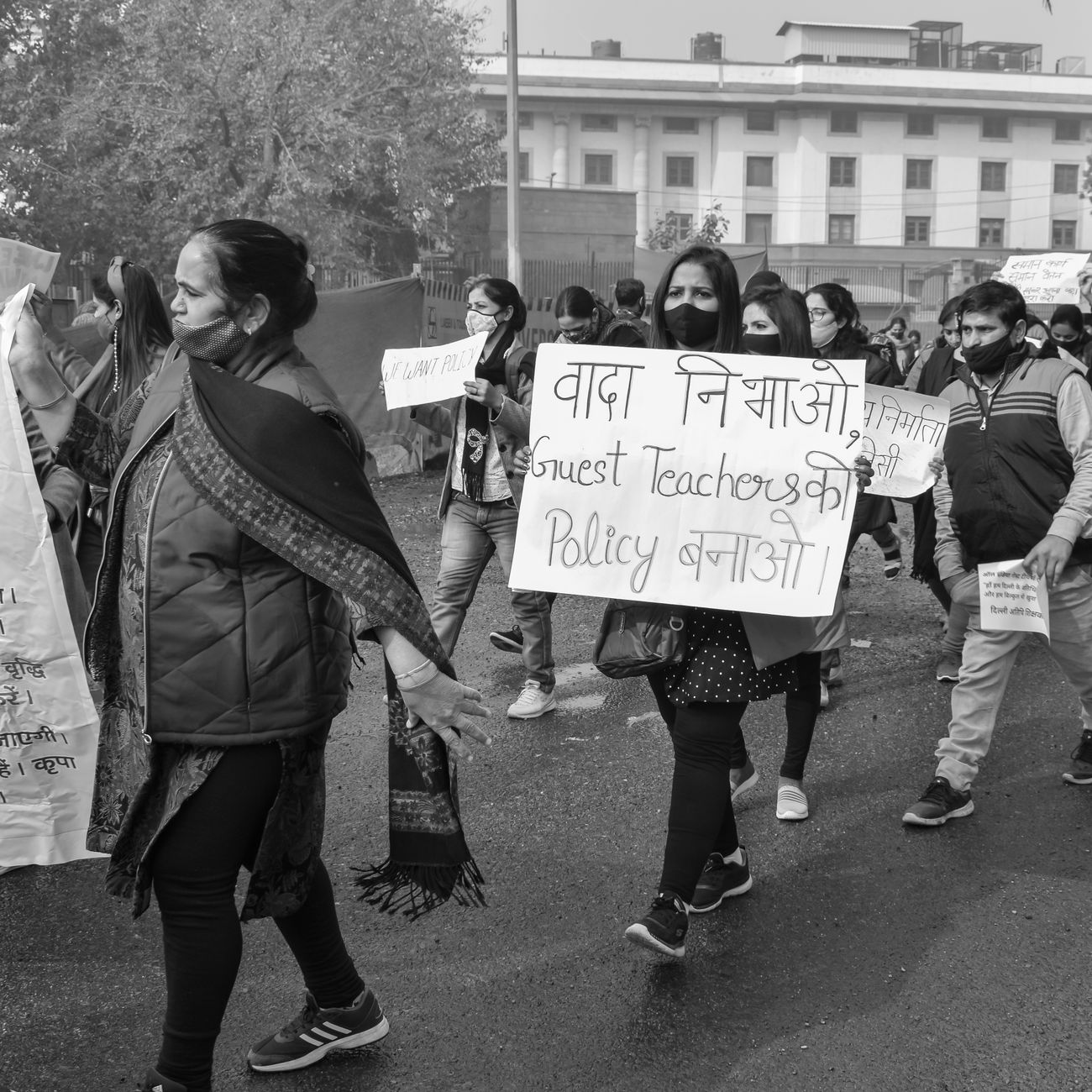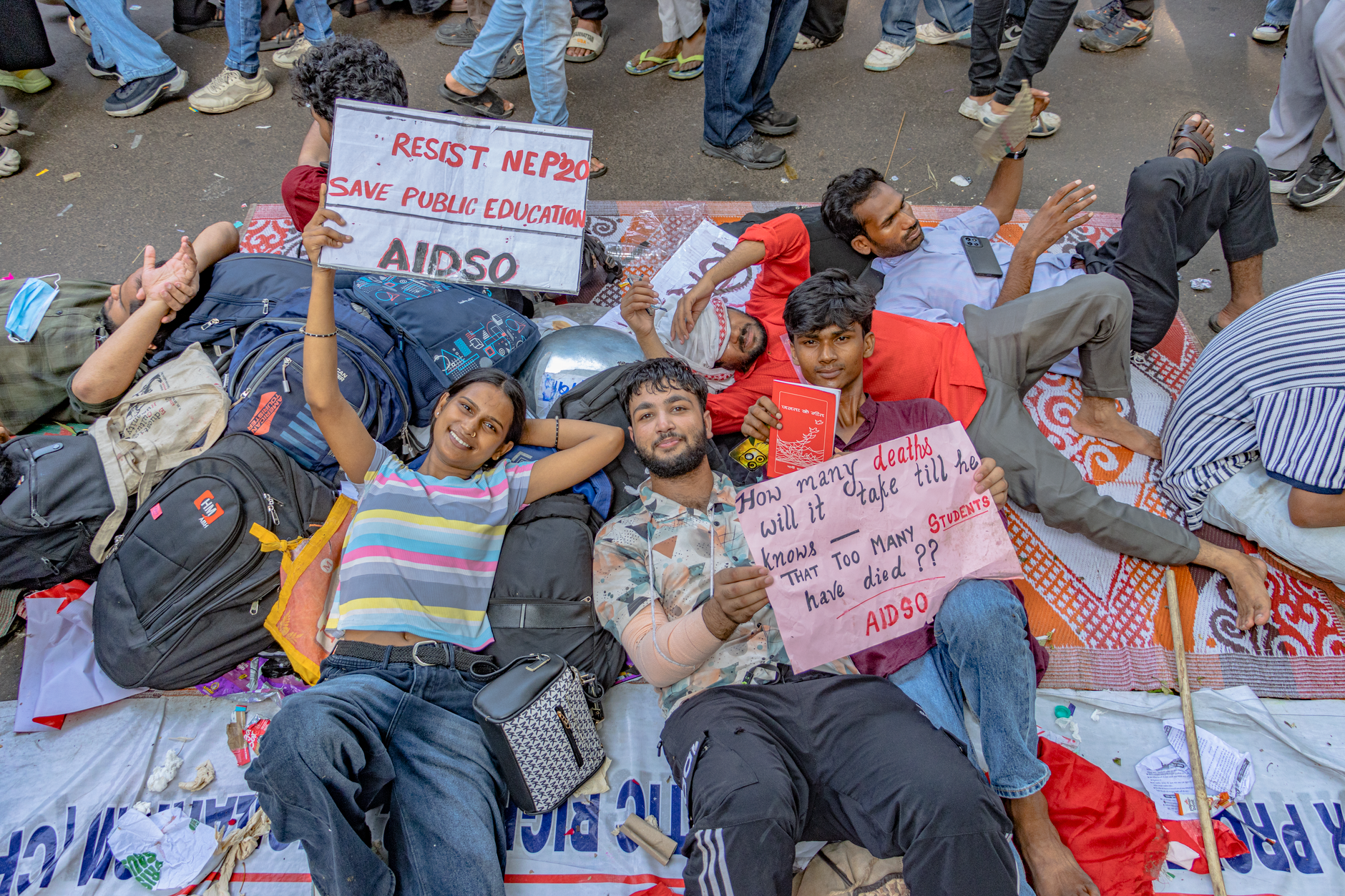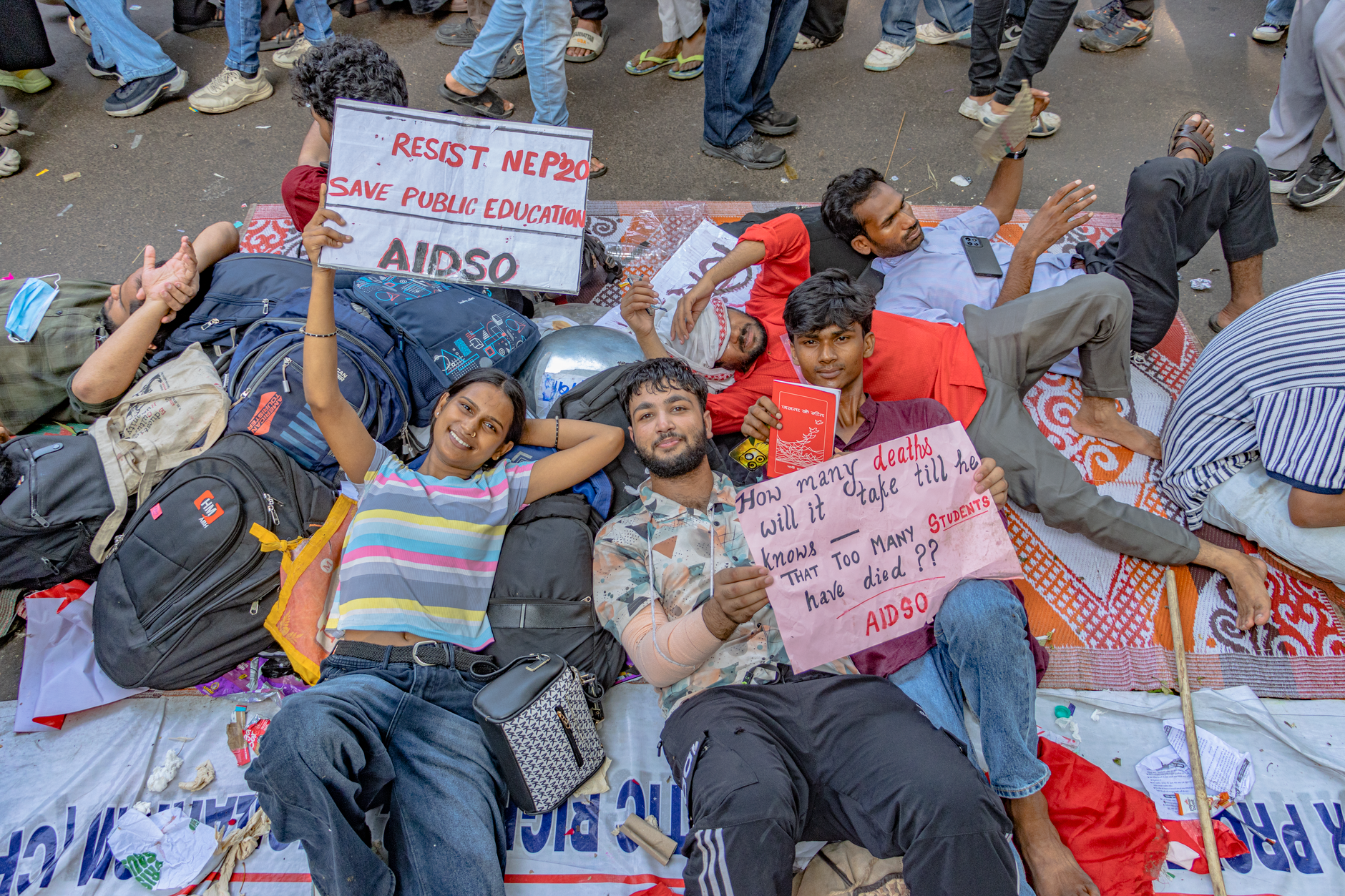
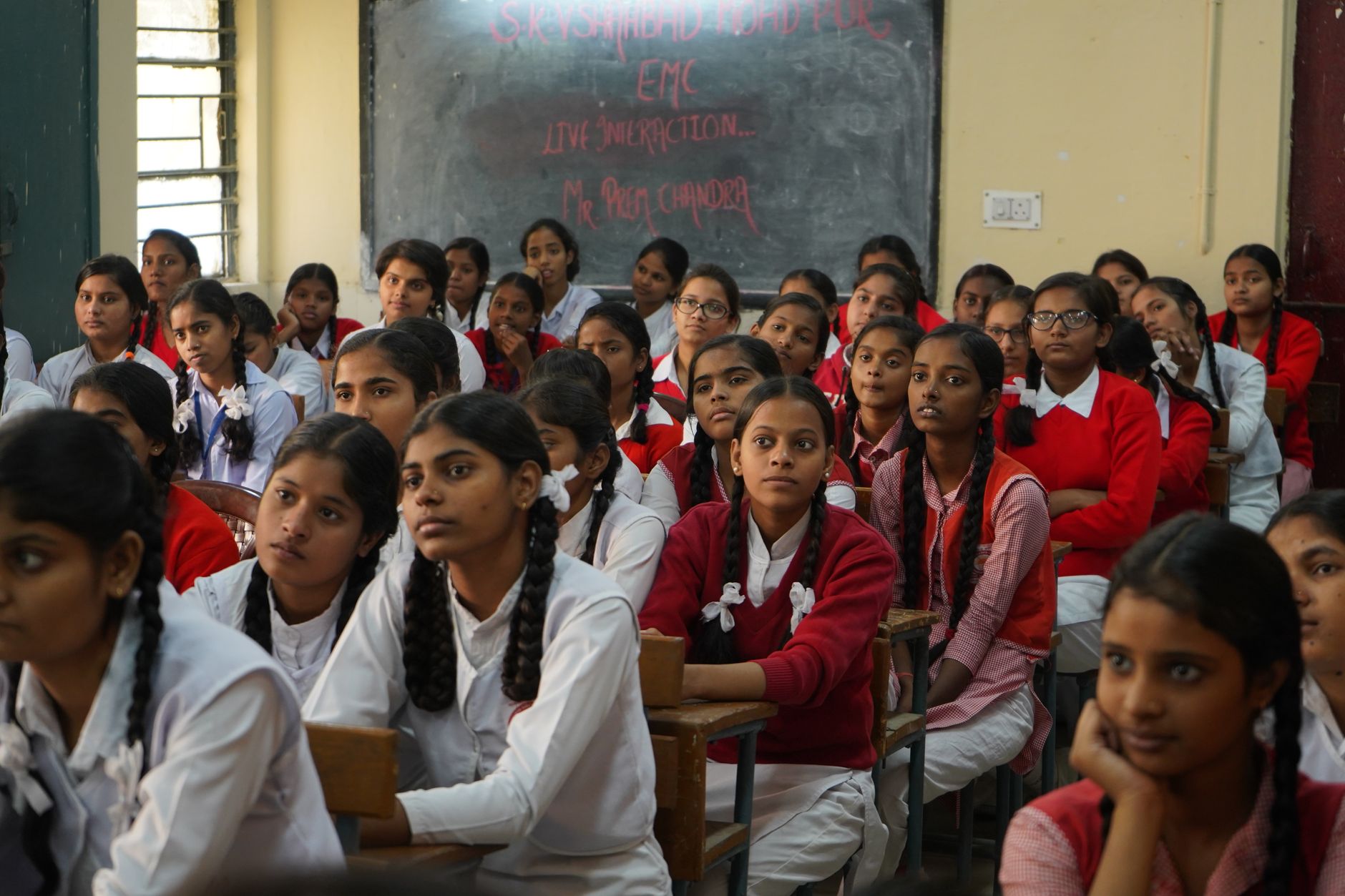
The revelation that several Indian cabinet ministers' children pursue higher education abroad has sparked a national conversation about the state of India's education system. While India produces millions of graduates annually and boasts prestigious institutions like the IITs and IIMs, the question remains: why do policymakers responsible for shaping education policy choose foreign universities for their own families?
The Scale of India's Education Challenge
India's education sector serves over 250 million students across schools and nearly 40 million in higher education institutions. Despite this massive scale, concerns about quality, relevance, and outcomes persist. The country faces challenges including inadequate infrastructure in government schools, shortage of qualified teachers, outdated curricula, and limited research opportunities at many universities.
The Global University Rankings tell a sobering story. In most international rankings, only a handful of Indian institutions feature in the top 500, while countries with smaller populations maintain multiple world-class universities. This quality gap becomes particularly apparent at the postgraduate and research levels.
Why Families Choose Foreign Education
Several factors drive Indian families, including those of ministers and bureaucrats, to seek education abroad:
- Access to cutting-edge research facilities and interdisciplinary programs not widely available domestically
- Exposure to diverse cultural perspectives and international networks
- Perception of better career prospects and global recognition of degrees
- More flexible and modern pedagogical approaches
- Opportunities for practical learning and industry collaboration
For wealthy and influential families, the cost of foreign education, often ranging from 50 lakhs to over 2 crores for undergraduate programs, is manageable. However, this option remains out of reach for the vast majority of Indian students.
The Optics Problem
The controversy stems less from the choice itself and more from the perceived contradiction. Ministers and policymakers who advocate for Indian education while privately choosing foreign institutions for their families face accusations of hypocrisy. Critics argue this reveals a lack of confidence in the very system these officials are meant to improve and strengthen.
This perception gap matters because it affects public trust. When those setting education policy don't invest in the system personally, it raises questions about their commitment to genuine reform. It also highlights the two-tier reality of Indian education where quality varies dramatically based on socioeconomic status.
The Brain Drain Dimension
India has long struggled with brain drain, losing talented youth to foreign countries. When approximately 750,000 Indian students study abroad annually, representing a market worth billions of dollars, the country loses both intellectual capital and financial resources. Many of these students settle abroad permanently, depriving India of their skills and contributions during crucial years.
The ministers' children studying abroad become symbolic of this larger exodus. While individual families make rational choices based on opportunities, the aggregate effect weakens India's human capital development.
What This Reveals About Systemic Issues
The debate highlights several systemic problems requiring attention:
- The need for massive investment in faculty development, research infrastructure, and modern facilities
- Regulatory frameworks that often stifle innovation and autonomy in universities
- Limited industry-academia collaboration compared to developed nations
- Inadequate focus on critical thinking, creativity, and practical skills
- The challenge of balancing quantity with quality in a country of India's scale
Moving Forward
Rather than criticizing individual choices, the focus should shift toward systemic reforms. Several initiatives show promise:
The National Education Policy 2020 aims to overhaul the education system with multidisciplinary learning, flexible curricula, and emphasis on research. However, implementation remains the key challenge.
Increasing autonomy for premier institutions, encouraging private investment in education, and creating world-class research opportunities could help retain talent. Some Indian institutions have begun climbing global rankings through focused improvements.
Additionally, leveraging technology for quality education delivery, strengthening vocational training, and aligning curricula with industry needs could bridge existing gaps.
The Accountability Question
Ultimately, the controversy serves as a reminder that policymakers must be held accountable for education outcomes. When ministers' families vote with their feet by choosing foreign education, it becomes a powerful statement about the system's shortcomings.
The solution isn't restricting personal choice but creating an education ecosystem so robust that studying abroad becomes a preference rather than a necessity for quality. Until Indian institutions can genuinely compete globally across the board, the debate about ministers' children studying abroad will continue to symbolize the broader crisis in Indian education.