
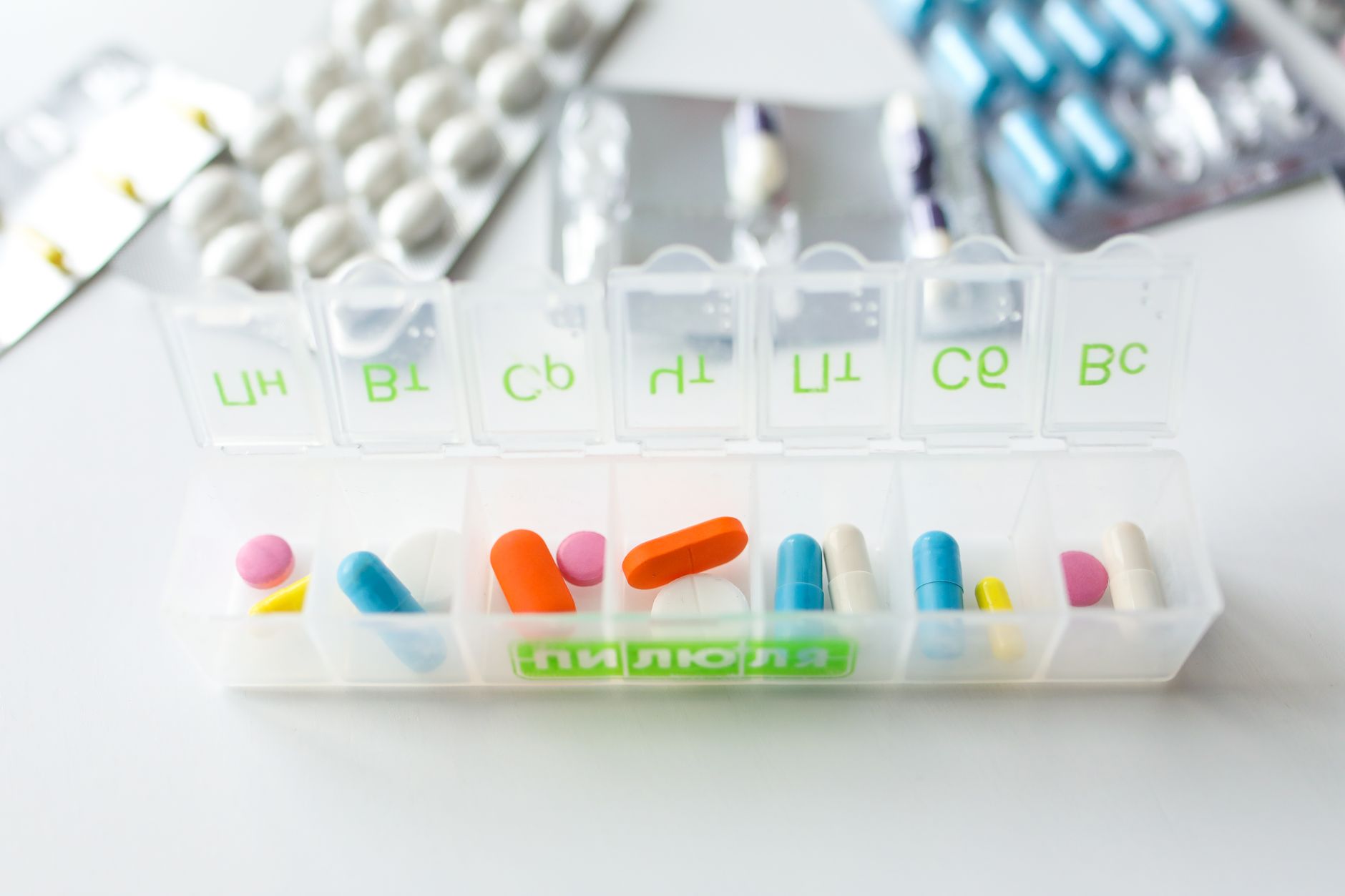
The Indian government has recently announced tighter controls on the sale and distribution of medicines that contain alcohol as an active or inactive ingredient. These medicines will now fall under Schedule H1, a category reserved for drugs requiring stricter prescription and dispensing protocols. This move aims to curb misuse and ensure these medications are used only for legitimate medical purposes.
Understanding Schedule H1
Schedule H1 is a special category under India's Drugs and Cosmetics Rules that was introduced in 2013. It was initially created to regulate antibiotics and certain other drugs that were being misused or overused. Medicines under Schedule H1 require a prescription from a registered medical practitioner, and pharmacists must maintain detailed records of every sale.
The key requirements for Schedule H1 medicines include a valid prescription that cannot be dispensed more than once without a fresh prescription, mandatory record-keeping by pharmacists including patient details and prescriber information, and a red vertical line on the left side of the medicine label along with the words "Schedule H1" printed in red.
Why Alcohol-Containing Medicines Need Regulation
Many pharmaceutical formulations contain alcohol, either as an active ingredient or as a solvent to dissolve other medicinal compounds. Common examples include certain cough syrups, tonics, digestive preparations, and pain relief formulations. While these serve legitimate therapeutic purposes, they have increasingly become targets for misuse.
The presence of alcohol can make these medicines susceptible to abuse, particularly among vulnerable populations including adolescents and individuals with substance use disorders. Some people consume these medicines in excessive quantities specifically for their alcohol content rather than their intended medicinal benefits. This not only poses serious health risks but also contributes to broader substance abuse problems.
Cases of addiction to alcohol-based cough syrups and tonics have been reported across India, with some individuals consuming multiple bottles daily. The easy availability of these medicines without proper prescription controls has made them an accessible intoxicant, cheaper and more socially acceptable than purchasing alcohol directly.
Impact on Patients and Healthcare
For patients who genuinely need alcohol-containing medicines, this regulation means an extra step in the procurement process. You will now need to obtain a fresh prescription from your doctor each time you need to purchase these medications, and you cannot simply ask your pharmacist to refill a previous prescription.
Pharmacists will be required to verify your prescription carefully and maintain records including your name, address, and the prescriber's details. This documentation helps create an audit trail that can identify patterns of misuse or over-prescription.
Healthcare providers will also need to be more judicious in prescribing these formulations. They may need to consider alcohol-free alternatives where available, or ensure that prescriptions are written only when medically necessary and for appropriate durations.
Alternatives and Consumer Awareness
The pharmaceutical industry has been developing alcohol-free versions of many common medicines, and this regulation may accelerate their adoption. Patients concerned about alcohol content can discuss alternatives with their doctors, as many therapeutic benefits can be achieved through formulations that use different solvents or delivery mechanisms.
Consumer awareness plays a crucial role in the success of such regulations. Patients should understand that these rules are designed to protect public health rather than create inconvenience. Being informed about the medicines you consume, including their ingredients and potential for misuse, is an important aspect of responsible healthcare.
What This Means Going Forward
This regulatory tightening reflects a growing recognition of the complex relationship between legitimate pharmaceutical use and substance abuse. By bringing alcohol-containing medicines under Schedule H1, authorities hope to close a loophole that has been exploited for intoxication purposes while still ensuring availability for genuine medical needs.
The implementation will require coordination among regulatory bodies, healthcare professionals, and pharmacies. Monitoring and enforcement mechanisms will be crucial to ensure compliance and to assess whether the regulation achieves its intended goals of reducing misuse without compromising access to necessary medications.
This article is for general informational purposes only and does not constitute medical advice. Always consult qualified healthcare professionals regarding your specific medical conditions and treatment options, and follow your doctor's guidance on medication use.