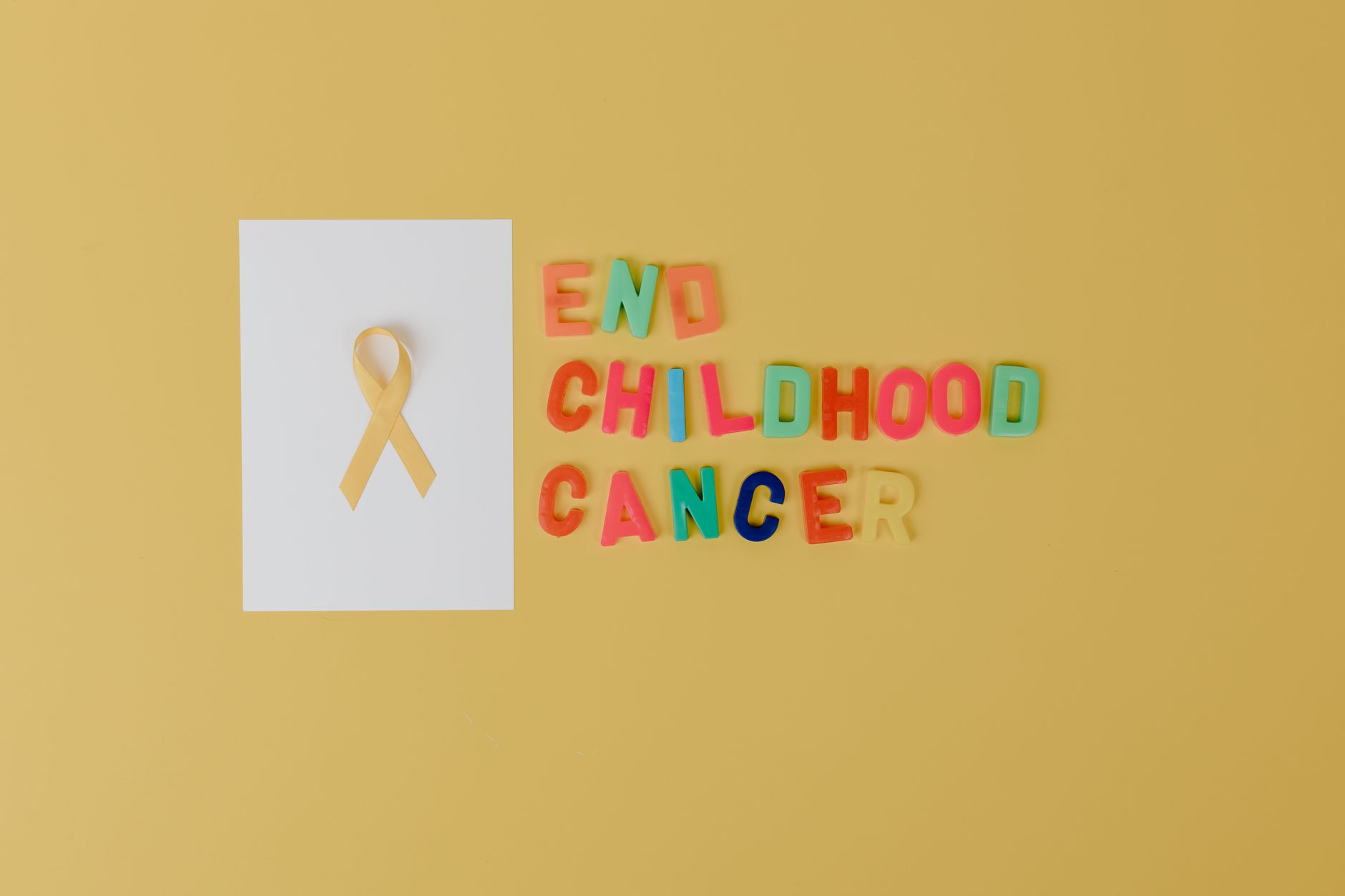
The World Health Organization has issued a stark warning about the future of global health, projecting that annual cancer cases worldwide could surge to 35 million by 2050. This represents a significant increase from current levels and signals a looming public health crisis that will affect nearly every corner of the planet.
Understanding the 92% Statistic
The WHO's projection that 92% of people will face the cancer burden does not mean that nine out of ten individuals will develop cancer. Rather, it refers to the proportion of the global population living in regions where cancer incidence, mortality, and healthcare challenges will significantly increase. This encompasses both direct impact through diagnosis and indirect effects such as caregiving responsibilities, economic strain, and healthcare system pressures.
The remaining 8% typically represents populations in regions with better-established healthcare infrastructure, preventive care systems, and resources to manage the growing cancer burden effectively.
Key Drivers Behind the Surge
Several interconnected factors contribute to this projected increase in cancer cases.
Aging Populations
The global demographic shift toward older populations is perhaps the most significant driver. As life expectancy increases worldwide, more people reach ages where cancer risk naturally rises. Cancer is predominantly a disease of aging, with most cases occurring in individuals over 50 years old.
Lifestyle and Environmental Factors
Modern lifestyle choices play a substantial role in cancer development:
- Tobacco use remains one of the leading preventable causes of cancer
- Rising obesity rates linked to sedentary lifestyles and poor dietary habits
- Alcohol consumption patterns in many countries
- Exposure to environmental pollutants and carcinogens
- Increased ultraviolet radiation exposure
Healthcare Access Disparities
Low and middle-income countries face particular challenges. While cancer rates are rising globally, these regions often lack adequate screening programs, diagnostic facilities, and treatment infrastructure. This creates a situation where cancer is detected later and survival rates remain lower.
The Most Common Cancers
Certain cancer types are expected to see particularly sharp increases. Lung cancer continues to be among the most prevalent, largely due to tobacco use and air pollution. Breast cancer rates are rising globally, partly due to improved detection but also lifestyle factors. Colorectal cancer is increasing, particularly in countries adopting Western dietary patterns. Prostate cancer cases are growing as populations age and screening becomes more widespread.
Economic and Social Impact
The projected increase in cancer cases carries enormous economic implications. Healthcare systems worldwide will face mounting pressure to provide diagnostic services, treatment facilities, and supportive care. The economic burden extends beyond direct medical costs to include lost productivity, caregiver expenses, and reduced quality of life.
Families affected by cancer often experience financial hardship, particularly in countries without comprehensive health insurance coverage. This can create a vicious cycle where economic constraints limit access to optimal treatment.
Prevention and Early Detection
Despite these sobering projections, a significant portion of cancers remain preventable. Public health experts emphasize several key strategies:
- Tobacco control measures, including taxation and smoking cessation programs
- Vaccination programs against cancer-causing viruses like HPV and Hepatitis B
- Promoting healthy diets rich in fruits, vegetables, and whole grains
- Encouraging regular physical activity
- Limiting alcohol consumption
- Protecting against excessive sun exposure
- Implementing workplace safety measures to reduce carcinogen exposure
Early detection through screening programs can dramatically improve survival rates for many cancer types. Regular mammograms, colonoscopies, cervical cancer screenings, and other tests can catch cancers when they are most treatable.
The Path Forward
Addressing this projected cancer crisis requires coordinated global action. Governments need to invest in cancer prevention programs, strengthen healthcare infrastructure, and ensure equitable access to treatment. International cooperation can facilitate knowledge sharing, technology transfer, and resource allocation to regions most in need.
Research into new treatments, including immunotherapy and targeted therapies, offers hope for improved outcomes. However, making these innovations accessible and affordable worldwide remains a critical challenge.
Individual actions also matter. By adopting healthier lifestyles and participating in recommended screening programs, people can reduce their personal cancer risk and contribute to bending the curve of these projections.
This article is intended for general informational purposes only and does not constitute medical advice. Readers should consult qualified healthcare professionals for personal health concerns and medical guidance.