India's travel and tourism sector is poised for remarkable growth over the next decade, with the World Travel & Tourism Council (WTTC) projecting the country will become the world's fourth-largest travel economy by 2036. This ambitious forecast reflects India's expanding middle class, government initiatives to boost tourism infrastructure, and the nation's increasing appeal as a destination for both leisure and business travelers.
Understanding the Projection
The WTTC's projection places India in an enviable position, potentially surpassing several established tourism powerhouses. Currently, the United States, China, and Germany typically occupy the top spots in travel and tourism economic contribution. India's projected rise to fourth place would represent a significant leap from its current position, underscoring the sector's rapid expansion and economic importance.
This growth trajectory is measured by the direct and indirect contribution of travel and tourism to India's GDP, including spending by domestic and international visitors, tourism-related investments, and the broader economic ripple effects across hospitality, transportation, and related industries.
Factors Driving Growth
Several key factors are converging to fuel India's tourism expansion. The country's burgeoning middle class, expected to reach 600 million people by 2030, is increasingly spending on leisure travel, weekend getaways, and experiential holidays. This domestic demand forms the backbone of the sector's growth story.
Infrastructure development plays a crucial role. The Indian government has prioritized improving connectivity through new airports, enhanced rail networks, and highway expansion. Projects like the Bharatmala road initiative and the development of regional airports under the UDAN scheme are making previously inaccessible destinations more tourist-friendly.
Digital transformation has also democratized travel planning. The proliferation of online booking platforms, travel apps, and digital payment systems has made travel more accessible and convenient for millions of Indians, particularly younger generations who are increasingly prioritizing experiences over material possessions.
International Appeal on the Rise
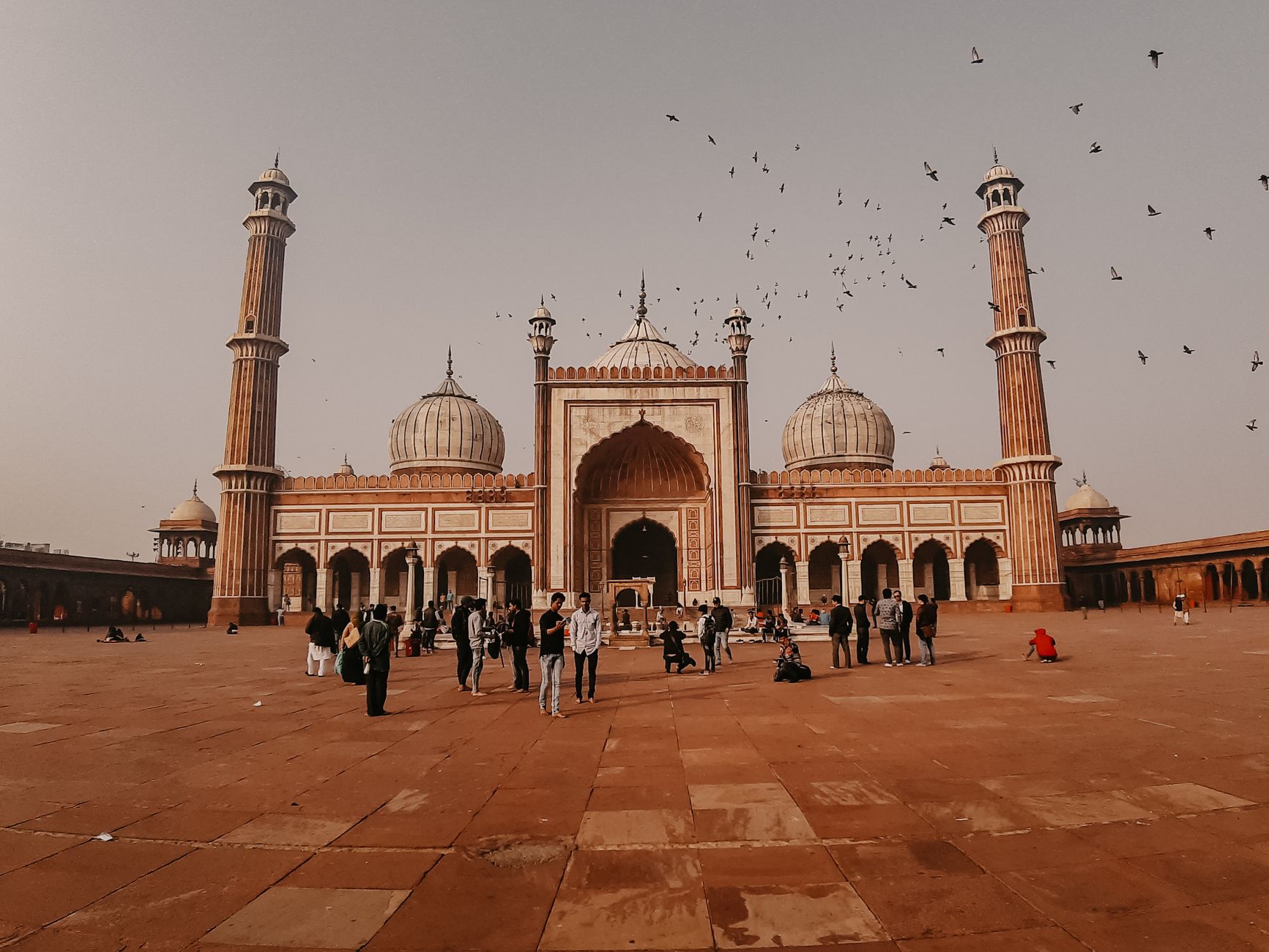
India's appeal to international tourists is strengthening as well. The country's rich cultural heritage, diverse landscapes ranging from Himalayan peaks to tropical beaches, and growing reputation for wellness tourism attract millions of foreign visitors annually. Recent visa liberalization measures, including expanded e-visa facilities and visa-on-arrival options for numerous countries, have simplified entry procedures.
The government's "Incredible India" campaigns and targeted marketing efforts have successfully repositioned India as a must-visit destination. Meanwhile, improved safety standards, better-quality accommodations, and enhanced tourist facilities have addressed previous concerns that deterred some international travelers.
Economic Impact and Employment
The travel and tourism sector's expansion carries significant economic implications beyond GDP contribution. The industry is labor-intensive and creates employment opportunities across skill levels, from hotel management and tour operations to handicraft production and transportation services.
By 2036, the sector is expected to support millions of jobs directly and indirectly, providing livelihoods in both urban centers and rural areas. Tourism development often benefits regions with limited industrial or agricultural potential, offering alternative income sources and reducing urban migration pressures.
Challenges to Address
Despite the optimistic projections, several challenges must be addressed to realize this potential. Infrastructure gaps remain, particularly in lesser-known destinations that could benefit from tourist development. Issues like cleanliness, tourist safety, and service quality continue to require attention and investment.
Environmental sustainability presents another critical concern. Popular destinations face overtourism pressures, threatening the very attractions that draw visitors. Balancing growth with environmental conservation and ensuring tourism benefits local communities equitably are essential for long-term sustainability.
Regional Development Opportunities
The growth projection extends beyond traditional tourist hotspots like Goa, Rajasthan, and Kerala. Emerging destinations in Northeast India, Madhya Pradesh, and coastal Andhra Pradesh offer untapped potential. Niche segments like adventure tourism, eco-tourism, medical tourism, and MICE (Meetings, Incentives, Conferences, and Exhibitions) tourism present diversification opportunities.
States are increasingly recognizing tourism's economic potential and developing customized strategies to attract visitors. This competitive federalism is driving innovation in tourism products, marketing approaches, and infrastructure development across the country.
The WTTC's projection for India becoming the fourth-largest travel and tourism economy by 2036 reflects confidence in the sector's fundamentals and growth drivers. Realizing this vision will require continued investment, policy support, and commitment to sustainable development practices that preserve India's natural and cultural assets for future generations.