Taiwan is taking a strategic approach to expanding its footprint in the Indian outbound travel market by introducing a co-funded familiarisation trip model. This initiative reflects the island nation's commitment to building stronger relationships with Indian travel trade professionals while showcasing its diverse tourism offerings.
Understanding the Co-Funded FAM Model
Familiarisation trips, commonly known as FAM trips, are educational tours organised for travel agents, tour operators, and other industry professionals. These trips allow participants to experience destinations firsthand, enabling them to better sell and promote these locations to their clients.
The co-funded model represents a partnership approach where costs are shared between the tourism board and participating travel companies or agents. Unlike fully sponsored trips, this arrangement requires travel trade professionals to invest in their own learning experience, creating a sense of shared commitment and potentially attracting more serious, engaged participants.
Why Taiwan is Focusing on India
India represents one of the fastest-growing outbound tourism markets globally, with millions of Indians travelling abroad annually for leisure, business, and education. The Indian middle class continues to expand, bringing increased disposable income and a growing appetite for international travel experiences.
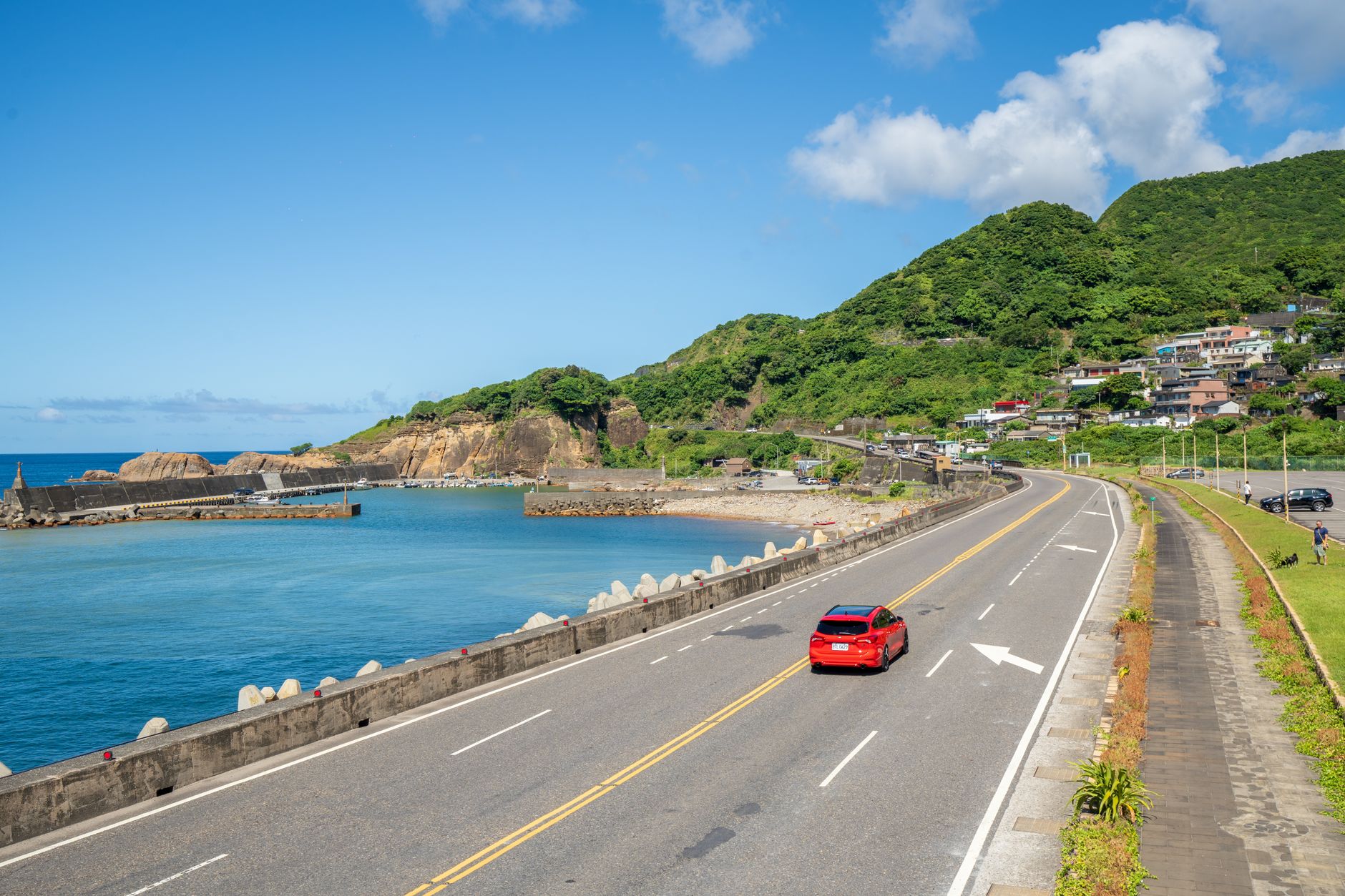
Taiwan offers a compelling proposition for Indian travellers seeking destinations beyond the usual Southeast Asian circuits. The island combines natural beauty, from dramatic coastal landscapes to mountain ranges, with modern cities, rich cultural heritage, vibrant night markets, and renowned culinary experiences.
Additionally, Taiwan's relatively compact size makes it ideal for week-long holidays, while its efficient public transportation system and tourist-friendly infrastructure appeal to first-time international travellers from India.
Benefits of the Collaborative Funding Approach
The co-funded model offers several advantages over traditional fully-sponsored FAM trips:
- Demonstrates serious intent from participating travel professionals who invest their own resources
- Allows tourism boards to stretch marketing budgets further by accommodating more participants
- Creates a sense of ownership among travel agents, potentially leading to longer-term commitment to promoting the destination
- Enables more frequent FAM trips throughout the year rather than occasional large-scale familiarisation tours
- Attracts agents who are genuinely interested in adding Taiwan to their product portfolio
What Indian Travel Trade Can Expect
Taiwan Tourism Administration's co-funded FAM trips typically showcase the destination's key attractions and experiences that resonate with Indian travellers. These may include visits to Taipei's iconic Taipei 101 skyscraper, exploration of traditional night markets like Shilin or Raohe, scenic areas such as Sun Moon Lake and Taroko Gorge, and cultural sites including temples and aboriginal cultural centres.
The trips also provide networking opportunities with local tourism stakeholders, including hotels, ground operators, and attraction managers. This direct engagement helps Indian travel professionals establish business relationships that facilitate smoother operations when designing tour packages.
Impact on India-Taiwan Travel Connectivity
This initiative comes at a time when India-Taiwan travel connectivity is gradually improving, though still limited compared to other Asian destinations. Currently, there are no direct flights between India and Taiwan, with travellers typically connecting through Hong Kong, Bangkok, Singapore, or Kuala Lumpur.
The co-funded FAM model could help build sufficient demand to justify future direct flight connections, which would significantly reduce travel time and potentially lower costs for Indian tourists. Increased awareness and promotion by trained travel agents could accelerate this process.
Implications for Indian Travellers
As more Indian travel agents familiarise themselves with Taiwan through these programmes, Indian tourists can expect several benefits:
- Greater availability of Taiwan tour packages from Indian operators
- More competitive pricing as more agents enter the market
- Better-designed itineraries based on firsthand knowledge
- Improved ground handling and local expertise
- Customised experiences catering specifically to Indian preferences, including vegetarian food options and cultural considerations
The Broader Trend in Destination Marketing
Taiwan's adoption of the co-funded model reflects a broader shift in destination marketing strategies. Tourism boards worldwide are moving toward more sustainable, partnership-based approaches rather than purely subsidised promotional activities. This model acknowledges that effective destination promotion requires genuine commitment from trade partners who have invested in understanding the product.
The success of this initiative will likely be measured not just by the number of FAM trips conducted but by tangible outcomes such as increased tour departures, higher booking volumes, and sustained engagement from participating travel professionals.