India's education sector faces a funding crisis that has been building quietly over more than a decade. Recent youth protests across the country have brought renewed attention to how state governments allocate resources for education, revealing a pattern of declining prioritization that affects millions of students.
The Declining Education Budget Trend
Over the past twelve years, numerous Indian states have reduced education spending when measured as a proportion of their total budgets. While absolute numbers may have increased nominally due to inflation and population growth, the share of state resources dedicated to education has shrunk in many regions. This means education is losing ground to other priorities in government spending decisions.
The decline varies significantly across states, with some regions maintaining or increasing their education commitments while others have dramatically cut back. States facing fiscal pressures have often chosen to protect other budget heads like subsidies, welfare schemes, or infrastructure projects at the expense of educational investments.
Why Education Budgets Matter
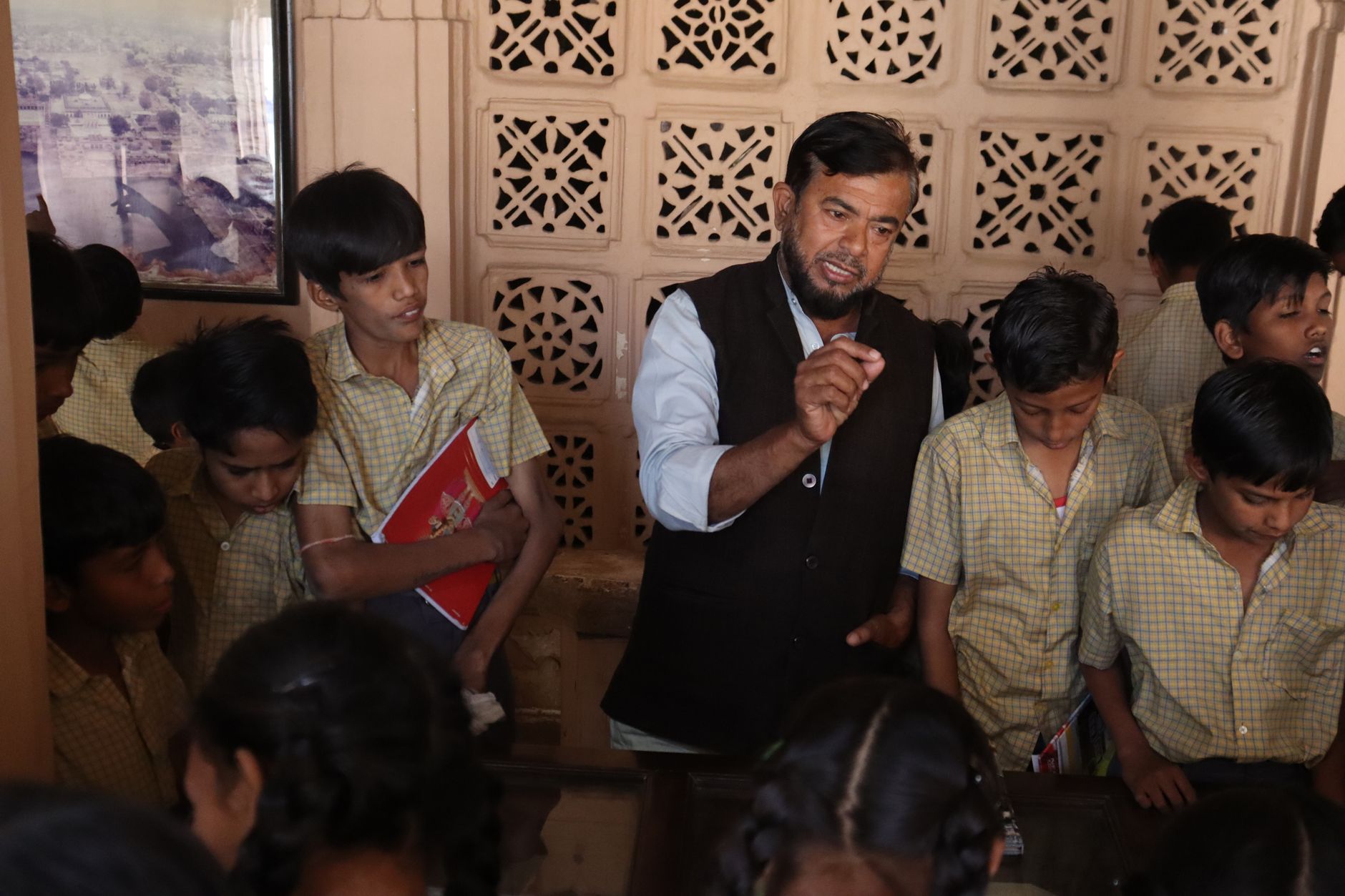
State government spending on education directly impacts the quality of public schools, teacher salaries, infrastructure development, mid-day meal programs, and scholarship schemes. When education budgets decline relative to overall spending, several consequences follow:
- Classroom infrastructure deteriorates with insufficient funds for repairs and new construction
- Teacher recruitment slows, leading to higher student-teacher ratios
- Learning materials and digital resources become scarce
- Vocational training and skill development programs receive inadequate support
- Scholarship and financial aid programs for disadvantaged students face cuts
These budget constraints disproportionately affect students from economically weaker sections who depend entirely on government schools and colleges for education.
The Connection to Youth Unemployment
The protests linking education spending to employment concerns reflect a deeper structural issue. Reduced education budgets coincide with India's demographic dividend period, when the country has its largest-ever youth population. This creates a mismatch between the number of young people seeking quality education and employment preparation versus the resources available to train them.
Inadequate education spending affects job readiness in multiple ways. Students graduating from under-resourced institutions often lack the competitive skills demanded by modern employers. Technical education and vocational training programs, which could bridge the skill gap, remain underfunded. Higher education institutions struggle to maintain quality without adequate state support.
Regional Disparities Widen
The uneven pattern of education spending across states has widened regional educational disparities. States with stronger fiscal positions can maintain education investments, creating better learning outcomes and employment prospects for their youth. Meanwhile, states facing revenue challenges see their education systems fall further behind, perpetuating cycles of underdevelopment.
These disparities affect internal migration patterns, with students from poorly-funded state systems migrating to better-resourced states for higher education and employment, creating brain drain in already struggling regions.
Competing Budget Priorities
State governments face legitimate competing demands on limited resources. Popular welfare schemes, farm loan waivers, electricity subsidies, and infrastructure projects all claim portions of state budgets. Political pressures often favor spending on programs with immediate visible impacts over long-term investments like education.
Additionally, states bear significant responsibility for implementing centrally-sponsored schemes, which can crowd out discretionary spending on education. The division of financial responsibilities between central and state governments sometimes leaves education funding in a grey area where neither takes full ownership.
The Path Forward
Reversing the education spending decline requires both political will and innovative financing mechanisms. Some solutions being discussed include:
- Ring-fencing education budgets as a minimum percentage of state GDP
- Improving efficiency in education spending through better targeting and reduced leakages
- Public-private partnerships for infrastructure and skill development
- Greater central government support for states with weak fiscal capacity
- Performance-based funding that rewards outcomes rather than just inputs
Education activists argue that increased spending alone is insufficient without reforms in curriculum, teaching methods, and governance. However, sustained funding remains a prerequisite for any meaningful educational improvement.
Youth Voices Demanding Change
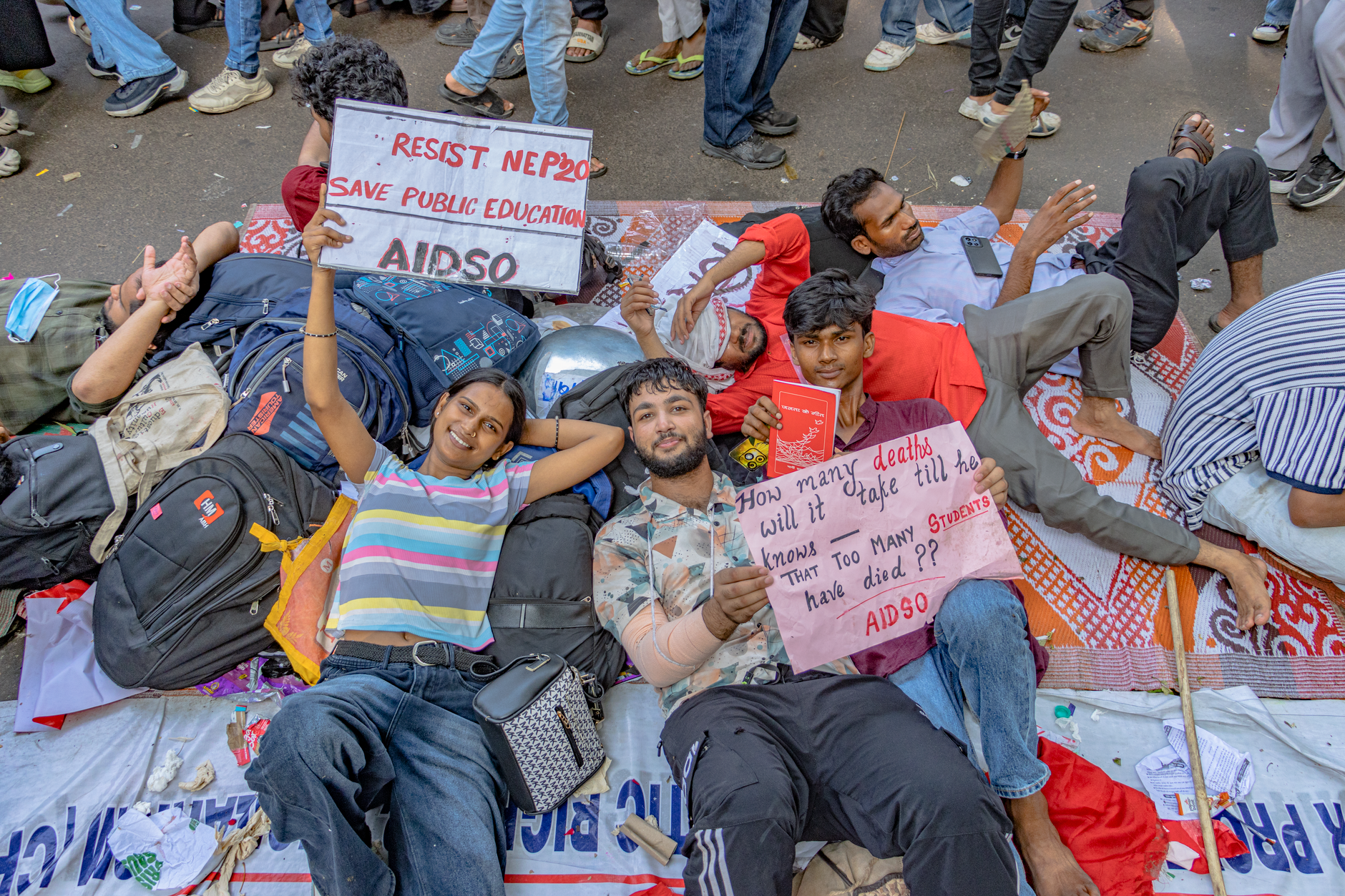
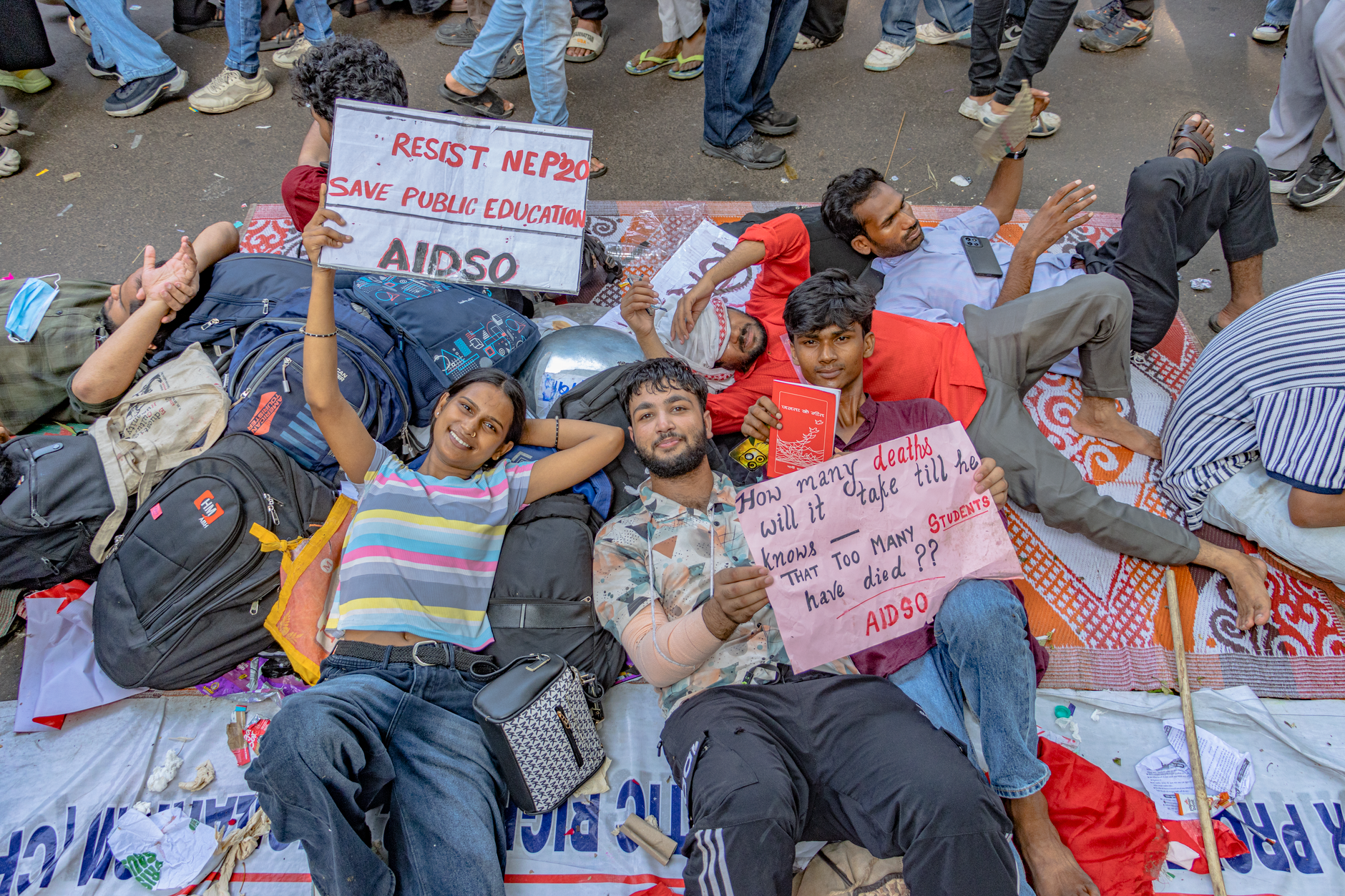
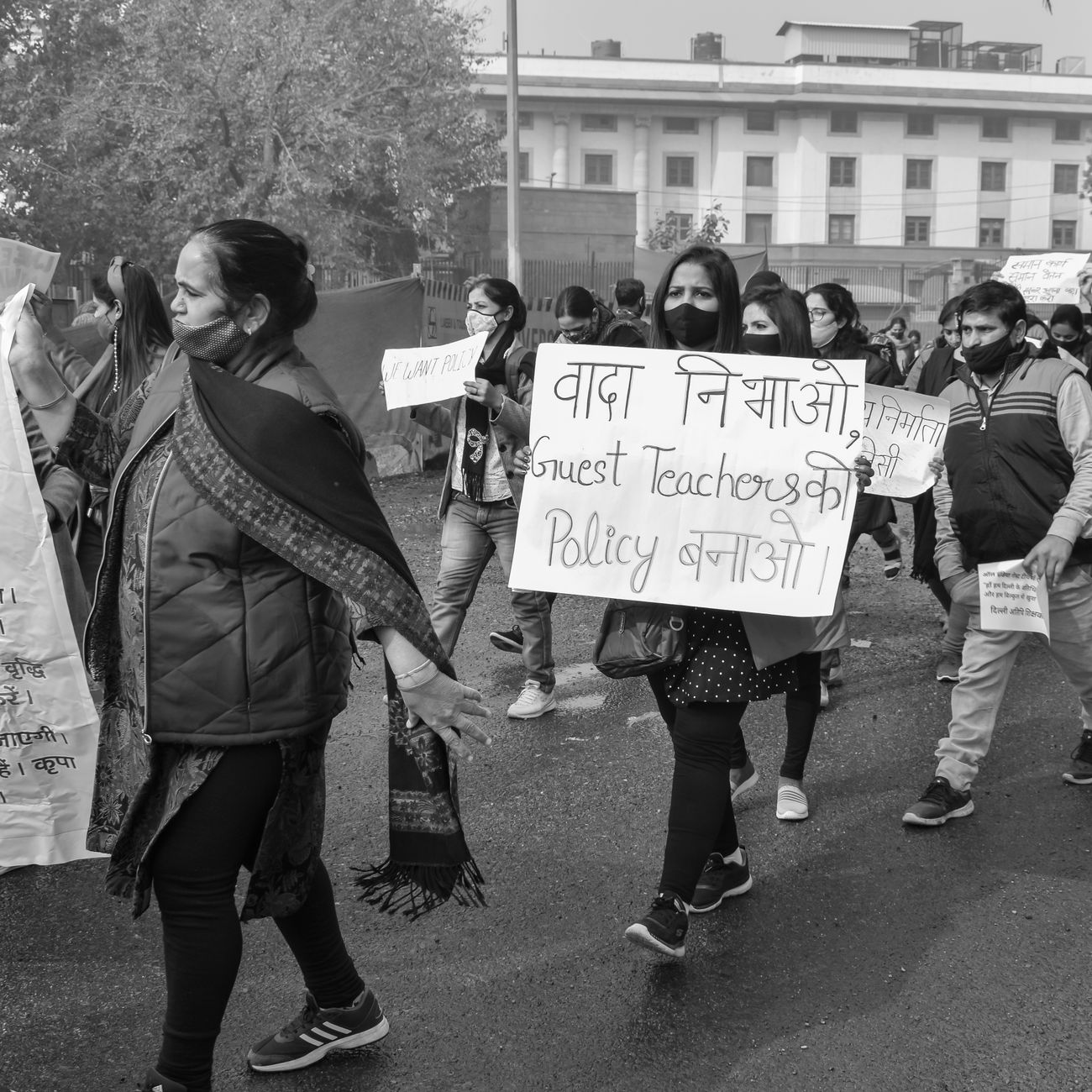
The current wave of protests represents youth frustration with an education system that seems increasingly unable to prepare them for modern employment. Students are connecting their limited opportunities directly to policy choices made in state capitals over many years.
This activism may force a political reckoning, as demographic realities make youth concerns impossible to ignore. With India's largest-ever generation of young people entering voting age, education funding could become a decisive electoral issue in coming years.
The challenge for policymakers is balancing immediate political pressures against long-term investments in human capital. Countries that have successfully developed their economies have consistently prioritized education spending, understanding it as essential infrastructure for future prosperity rather than discretionary expenditure.