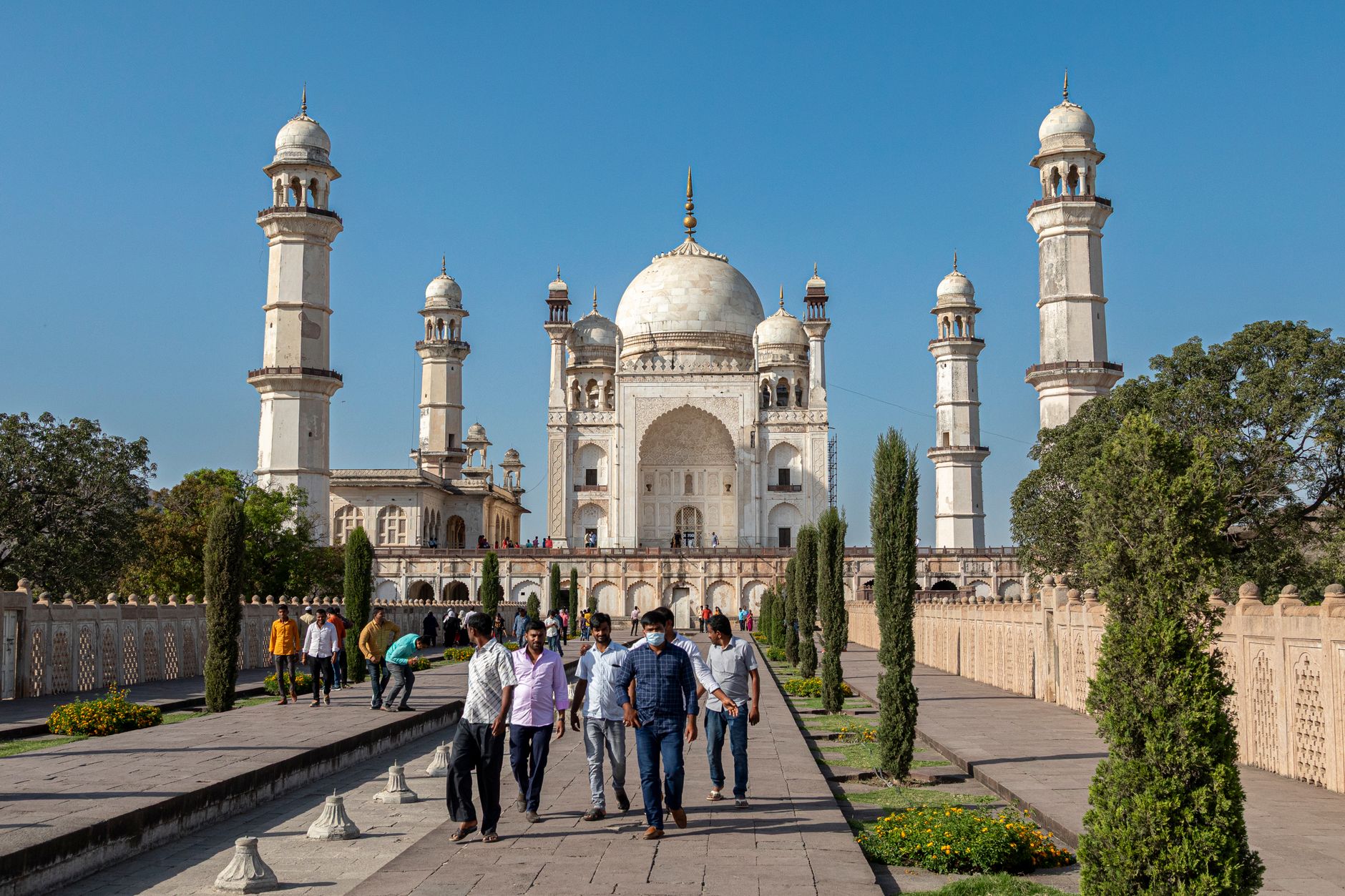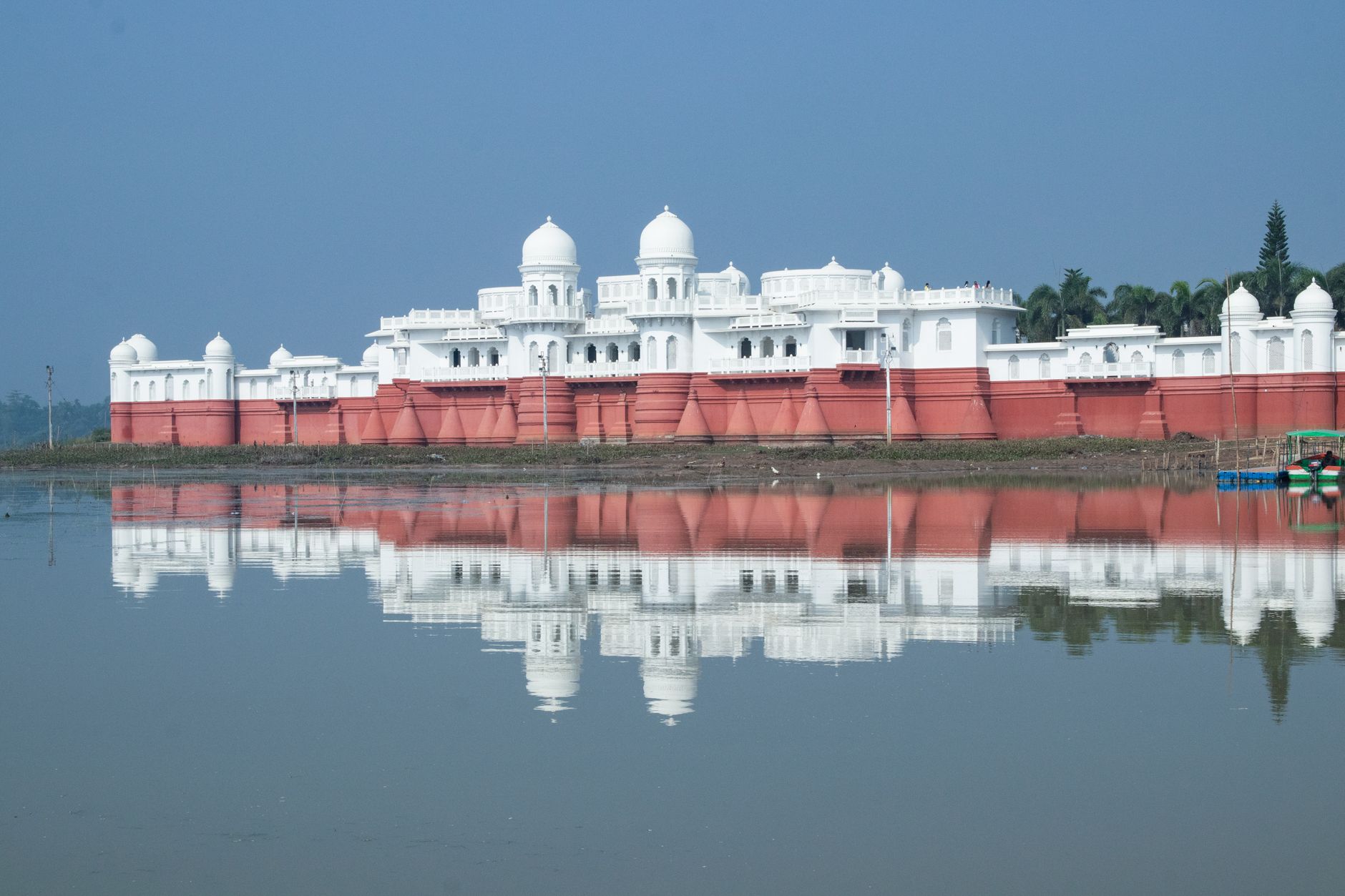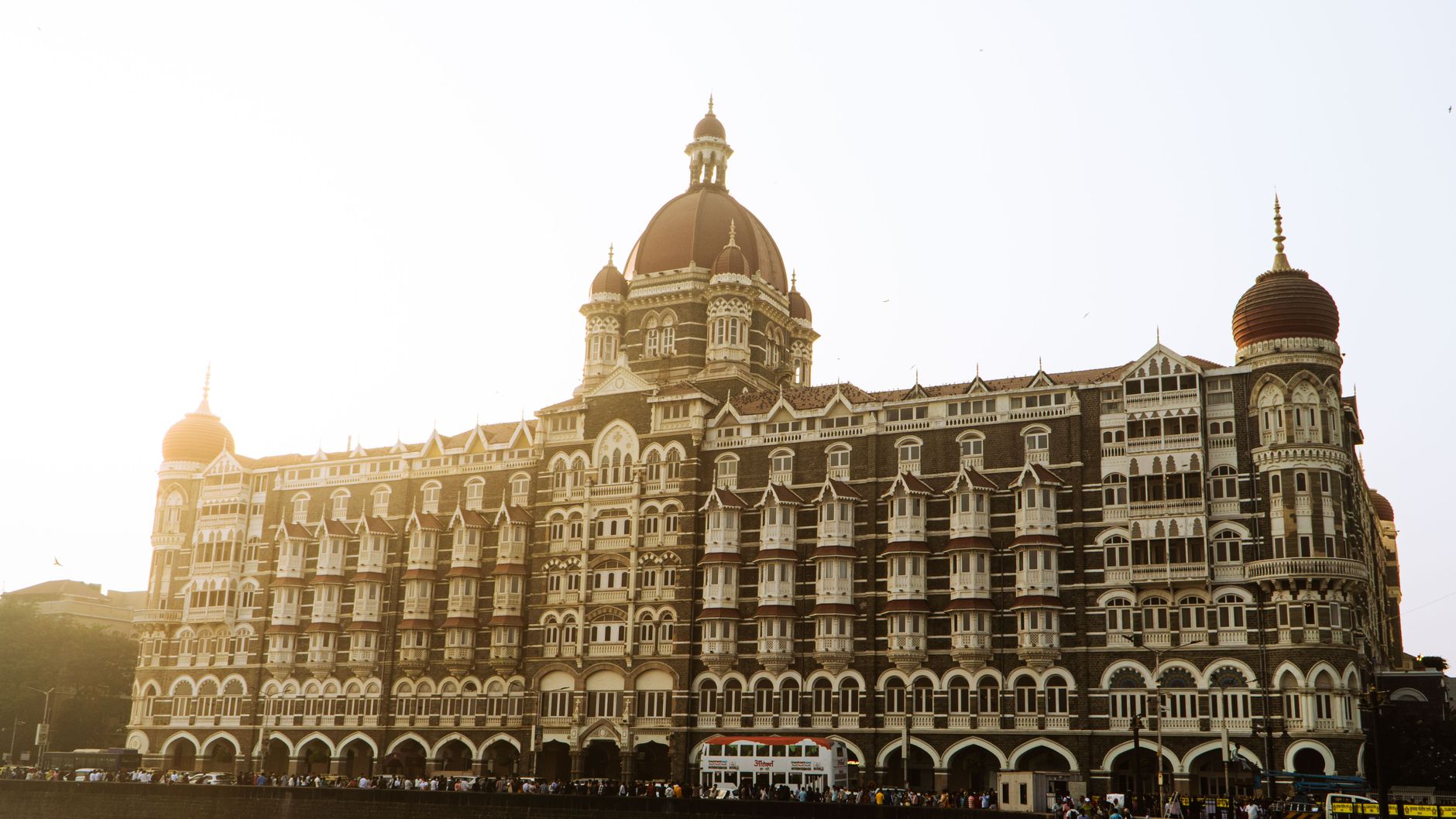
India's hotel industry is undergoing a remarkable transformation, driven by an unprecedented boom in domestic tourism. What was once a sector heavily reliant on international visitors has now recalibrated its entire approach to cater to the evolving preferences and travel patterns of Indian tourists.
The Domestic Tourism Boom
The pandemic fundamentally altered travel behaviour across India. With international borders closed and uncertainty surrounding overseas trips, Indians rediscovered their own backyard. This shift hasn't reversed even as global travel resumed. Domestic tourism in India has grown exponentially, with travellers exploring everything from heritage sites in Rajasthan to remote villages in the Northeast, beach destinations in Goa to mountain retreats in Himachal Pradesh.
The numbers tell a compelling story. Domestic air passenger traffic has reached record levels, weekend getaways have become routine rather than occasional, and tier-two and tier-three cities are emerging as both source markets and destinations. Middle-class families, young professionals, and senior citizens are all contributing to this travel renaissance.
How Hotels Are Adapting
Hotels across India are reimagining their offerings to meet the expectations of domestic guests, who differ significantly from international tourists in their preferences and behaviours.
Traditional luxury hotels that once designed experiences primarily for foreign visitors are now incorporating regional flavours, local cultural elements, and vernacular architecture. Many have introduced menus featuring authentic regional cuisine alongside international options, recognising that Indian guests want to experience local food culture even while travelling.
The Rise of Alternative Destinations
Domestic tourists are increasingly venturing beyond the traditional Golden Triangle or popular beach resorts. This has led to hotel development in previously overlooked locations. Destinations like Coorg, Rishikesh, Gokarna, Udaipur, Bir Billing, and Andaman Islands have seen significant hospitality infrastructure growth.
Homestays, boutique properties, and experiential resorts have mushroomed in offbeat locations. These properties offer curated experiences that blend comfort with authenticity, whether it's a tea estate bungalow in Munnar, a heritage haveli in Shekhawati, or an eco-resort in the Western Ghats.
Weekend and Short-Stay Focus
The domestic travel pattern differs markedly from international tourism in terms of duration. Most domestic trips are short, typically ranging from two to four days. Hotels have responded by creating packages and experiences designed for weekend travellers.
- Flexible check-in and check-out timings to maximise guest satisfaction
- Curated two-day itineraries highlighting local attractions
- Special weekend pricing and offers
- Activities that can be enjoyed within a short timeframe
- Quick-access locations near airports or highways
Technology and Booking Patterns
Domestic travellers predominantly book through online platforms and mobile apps, leading hotels to strengthen their digital presence. Direct bookings through hotel websites, partnerships with travel aggregators, and strong social media marketing have become essential.
Hotels have also had to adapt to the last-minute booking behaviour common among domestic tourists, maintaining greater inventory flexibility compared to the advance-booking pattern typical of international visitors.
Experiential and Wellness Tourism
Indian travellers are seeking more than just accommodation; they want experiences. Hotels are responding with curated offerings that include cooking classes featuring local cuisine, guided heritage walks, adventure activities, wildlife experiences, and cultural performances.
Wellness tourism has emerged as a particularly strong segment. Ayurvedic retreats, yoga resorts, and properties offering holistic wellness programmes are experiencing robust demand from health-conscious domestic travellers seeking rejuvenation.
Price Sensitivity and Value
While domestic tourists increasingly seek quality experiences, price sensitivity remains a factor, particularly for the vast middle-class segment. Hotels have responded with tiered offerings, creating different room categories and packages to appeal to various budget levels without compromising on core service standards.
Value-added services like complimentary breakfast, airport transfers, and inclusive meal plans are often decisive factors for domestic bookings, leading many hotels to bundle services rather than charge separately.
The Road Ahead
The domestic tourism surge appears sustainable, supported by rising incomes, improved connectivity, increased leisure time, and a growing aspiration for travel experiences among Indians. Hotels investing in understanding and serving domestic guests are positioning themselves for long-term success in a transformed hospitality landscape where the Indian traveller is not just a fallback option but the primary customer driving growth and innovation.