Tripura, one of India's most picturesque northeastern states, is making concerted efforts to expand its tourism footprint beyond traditional markets by targeting visitors from western India. The state's tourism department recently organized a roadshow in Mumbai, India's financial capital, as part of a broader strategy to diversify its visitor base and position itself as a compelling destination for travelers from across the country.
Why Mumbai Matters for Tripura Tourism
Mumbai represents a crucial market for Indian tourism destinations due to its large population of affluent travelers, strong connectivity, and robust travel trade infrastructure. The city serves as a major source market for both domestic and international travel, with Mumbai residents known for their propensity to explore diverse destinations across India.
For Tripura, tapping into the western India market addresses a critical challenge faced by most northeastern states—limited visibility among travelers from other parts of the country. While the northeast has traditionally attracted adventure seekers and cultural enthusiasts, mainstream awareness remains relatively low compared to established destinations like Rajasthan, Kerala, or Himachal Pradesh.
Tripura's Tourism Offerings
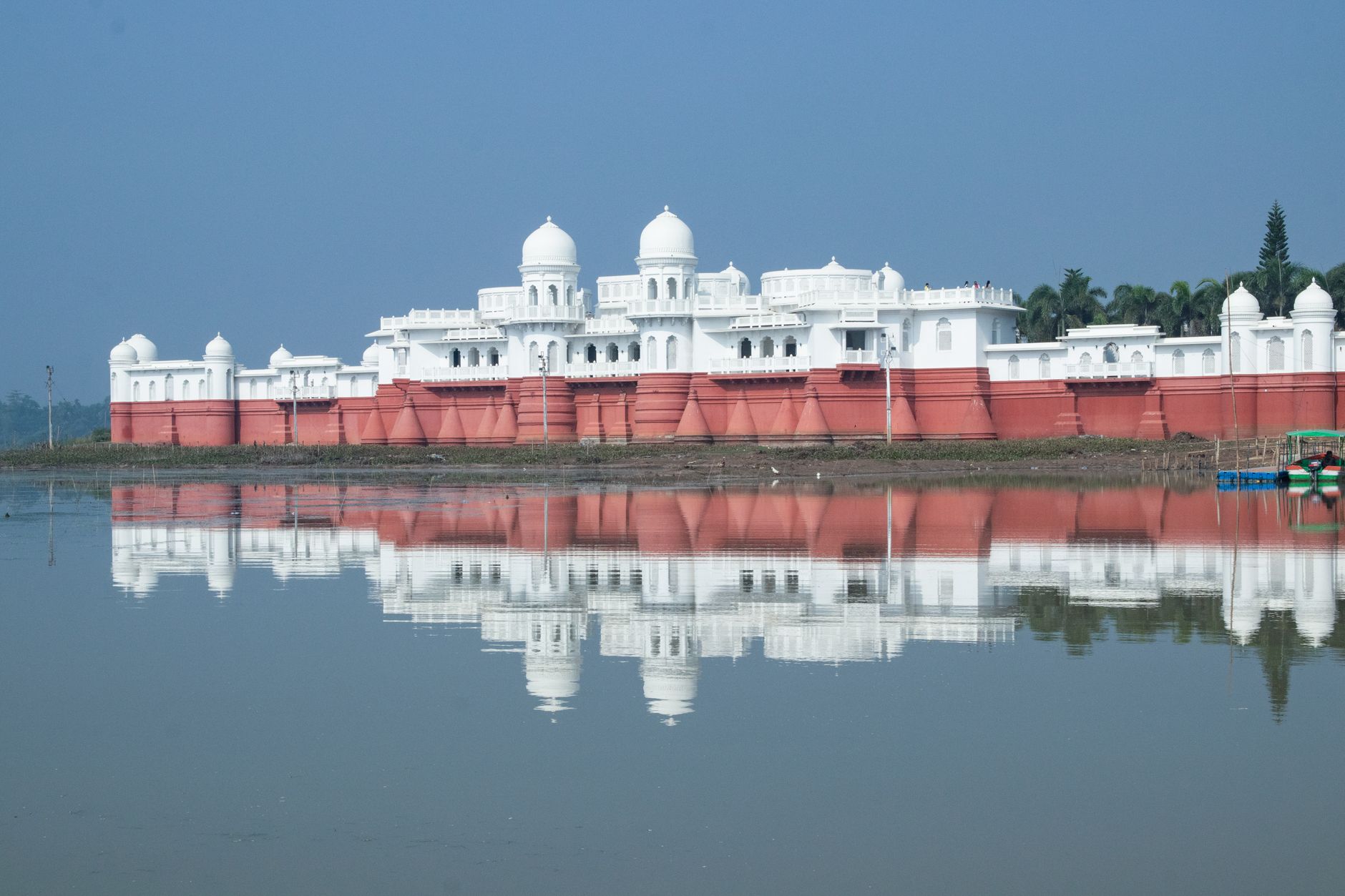
Tripura offers a unique blend of attractions that differentiate it from other northeastern destinations. The state is home to the magnificent Ujjayanta Palace in Agartala, which now serves as a state museum showcasing tribal heritage and royal history. Neermahal, a stunning water palace built in the middle of Rudrasagar Lake, stands as one of India's only lake palaces and rivals Rajasthan's more famous water monuments.
The state's natural beauty includes the serene Sepahijala Wildlife Sanctuary, known for its clouded leopards and diverse bird species, and the scenic Jampui Hills, which offer breathtaking valley views and pleasant climate. Tripura's rich tribal culture, represented by 19 indigenous communities, provides immersive cultural experiences ranging from traditional bamboo handicrafts to unique culinary traditions.
Strategic Roadshow Objectives
Tourism roadshows serve multiple purposes in destination marketing. They provide face-to-face interaction opportunities between state tourism officials and travel trade partners including tour operators, travel agents, and airline representatives. These events typically feature presentations highlighting key attractions, infrastructure developments, and special tourism packages designed to stimulate bookings.
For Tripura, the Mumbai roadshow likely focused on addressing common concerns about northeastern travel including connectivity, safety perceptions, and itinerary planning. The state has made significant improvements in tourism infrastructure, including better road connectivity, upgraded accommodations, and streamlined permit processes for visitors.
Connectivity and Access Improvements
One of the biggest barriers to northeastern tourism has historically been connectivity. However, Tripura has benefited from improved air connectivity with Agartala's Maharaja Bir Bikram Airport receiving regular flights from major cities including Delhi, Kolkata, and Bangalore. The roadshow provided an opportunity to highlight these improved connections and potentially announce new routes or increased frequencies.
Railway connectivity through the Agartala-Akhaura rail link project, once completed, will further enhance access to Tripura, potentially making it a gateway to both northeastern India and neighboring Bangladesh for tourism purposes.
Targeting West India's Travel Trade
The travel trade plays a crucial role in destination promotion, particularly for lesser-known destinations. Tour operators and travel agents from western India can package Tripura as part of comprehensive northeast itineraries or position it as a standalone destination for travelers seeking offbeat experiences.
The roadshow likely emphasized partnership opportunities, competitive commission structures, and familiarization trip invitations to encourage Mumbai-based travel professionals to actively promote Tripura. Such B2B engagement is essential for converting destination awareness into actual tourist arrivals and revenue.
Broader Northeast Tourism Strategy
Tripura's Mumbai initiative fits within a larger trend of northeastern states actively marketing themselves across India. States like Meghalaya, Sikkim, and Arunachal Pradesh have successfully used targeted marketing campaigns to increase tourist arrivals. Tripura's approach suggests recognition that sustained, market-specific outreach is necessary to compete effectively for tourist attention and spending.
The focus on western India may also extend beyond Mumbai to include cities like Pune, Ahmedabad, and Surat, creating a comprehensive strategy for the region.
As tourism continues to be a significant contributor to state economies and employment generation, strategic marketing initiatives like the Mumbai roadshow represent essential investments in building Tripura's tourism brand and attracting visitors who might otherwise overlook this culturally rich and naturally beautiful northeastern destination.