
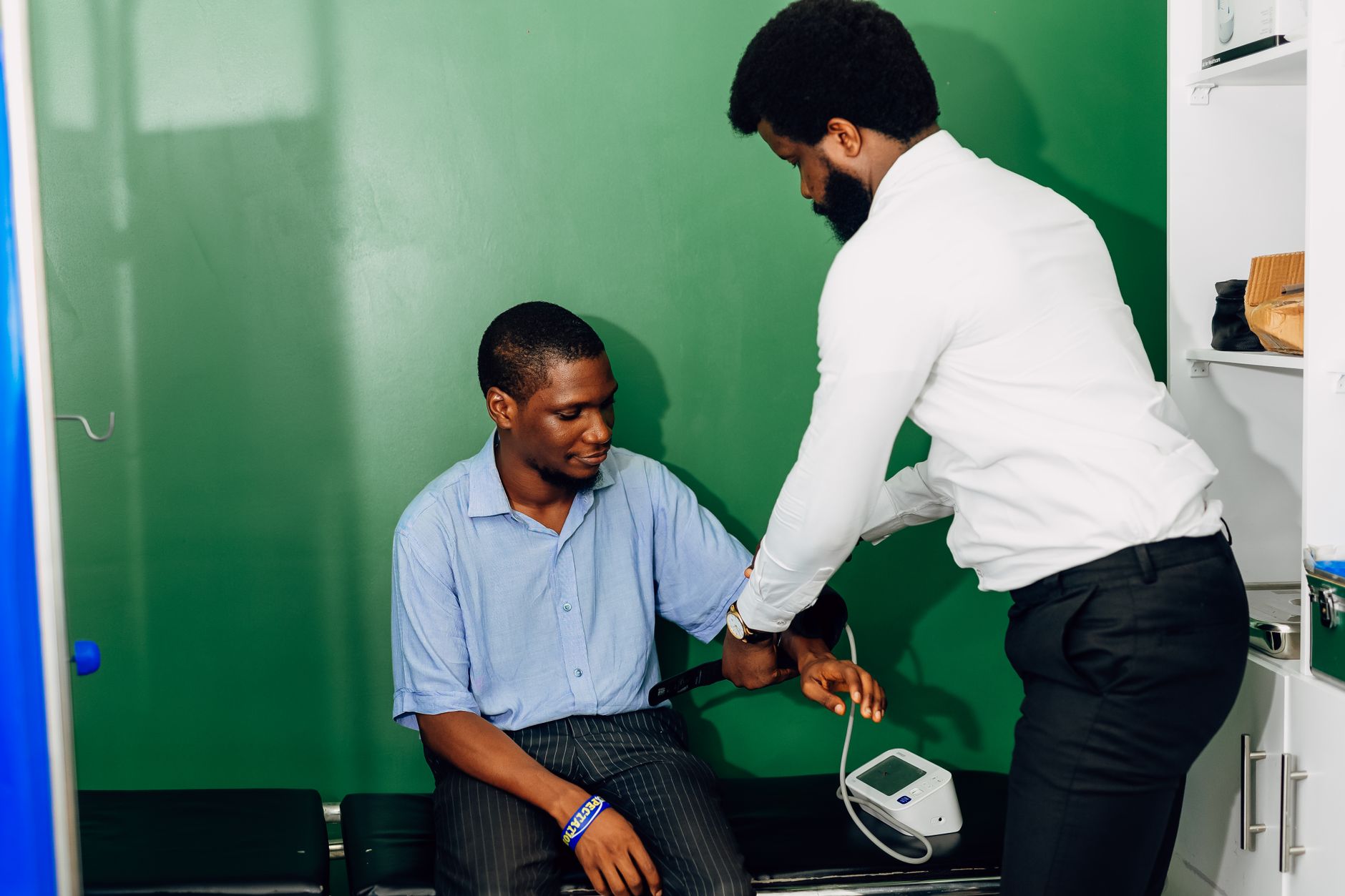
India's healthcare system faces immense pressure from a population exceeding 1.4 billion people. While tertiary hospitals and specialty centers often capture headlines, primary healthcare centers (PHCs) and community health workers form the true backbone of the nation's medical defense system. These frontline facilities serve as the first point of contact between communities and the formal healthcare system, addressing approximately 80 percent of health issues before they escalate into serious conditions.
The Structure of Primary Healthcare in India
Primary healthcare in India operates through a three-tier system designed to bring medical services closer to rural and underserved populations. Sub-centers form the most basic unit, typically serving populations of 3,000 to 5,000 people. Primary Health Centers serve as the first contact point with medical officers, covering approximately 20,000 to 30,000 people. Community Health Centers function as referral units for four PHCs, offering specialist services including surgery, pediatrics, and obstetrics.
This pyramidal structure ensures that basic health concerns receive immediate attention at the community level, while more complex cases move upward through the system. The design prevents unnecessary crowding at district and tertiary hospitals, theoretically allowing advanced facilities to focus on critical care.
Prevention Over Cure
The fundamental philosophy underlying primary healthcare emphasizes prevention rather than treatment. PHCs conduct routine immunization drives, antenatal checkups, health education programs, and disease surveillance activities. These preventive measures prove far more cost-effective than treating advanced illnesses.
Consider maternal and child health: regular antenatal checkups at PHCs can identify high-risk pregnancies early, preventing complications that might otherwise require expensive emergency interventions. Similarly, childhood vaccination programs administered through primary centers have virtually eliminated diseases like polio from India, demonstrating the power of grassroots healthcare delivery.
Early Detection and Disease Management
Primary healthcare facilities excel at catching diseases in their nascent stages. Conditions like diabetes, hypertension, and tuberculosis respond best to early intervention. PHCs equipped with basic diagnostic tools can identify these conditions during routine checkups, initiating treatment protocols before complications develop.
India's National Health Mission has strengthened screening programs for non-communicable diseases at the primary level. Health workers trained in recognizing warning signs can counsel patients about lifestyle modifications, prescribe initial medications, and refer complex cases appropriately. This early detection capability prevents the progression to advanced stages that require hospitalization and intensive treatment.
Reducing Hospital Burden
Tertiary hospitals in India face chronic overcrowding, with patients often traveling hundreds of kilometers for conditions that could be managed locally. When primary healthcare functions effectively, it filters cases appropriately, ensuring that advanced facilities treat genuinely complex conditions rather than basic ailments.
The COVID-19 pandemic highlighted this dynamic clearly. Areas with robust primary healthcare infrastructure managed to conduct widespread testing, isolation, and initial treatment at the community level. This approach prevented health system collapse by reserving hospital beds for severe cases requiring oxygen support and intensive care.
Addressing Social Determinants of Health
Primary healthcare workers possess intimate knowledge of their communities, understanding local challenges beyond pure medical concerns. They recognize how sanitation, nutrition, housing, and education affect health outcomes. ASHA workers and Anganwadi staff bridge the gap between healthcare services and community needs, addressing social determinants that clinical medicine alone cannot resolve.
Current Challenges
Despite its critical importance, India's primary healthcare system faces significant obstacles. Many PHCs suffer from inadequate staffing, with doctor vacancies reaching 30 percent in some states. Infrastructure gaps including lack of electricity, water supply, and essential medicines undermine service delivery. Rural areas particularly struggle with attracting and retaining qualified healthcare professionals.
The COVID-19 pandemic exposed these vulnerabilities while simultaneously demonstrating the system's potential. Increased investment and focused attention on primary healthcare during the crisis showed what becomes possible with adequate resources and political will.
The Path Forward
Strengthening primary healthcare requires sustained investment in infrastructure, human resources, and technology. Telemedicine integration can help bridge expertise gaps in remote areas. Continuous training programs ensure health workers stay updated with current protocols. Most importantly, recognizing primary healthcare as genuine healthcare rather than second-tier medicine will elevate its status and effectiveness.
India's health security ultimately depends not on the number of super-specialty hospitals but on the strength of its primary healthcare network. Every rupee invested at this foundational level saves multiples in downstream costs while improving health outcomes across the population.