
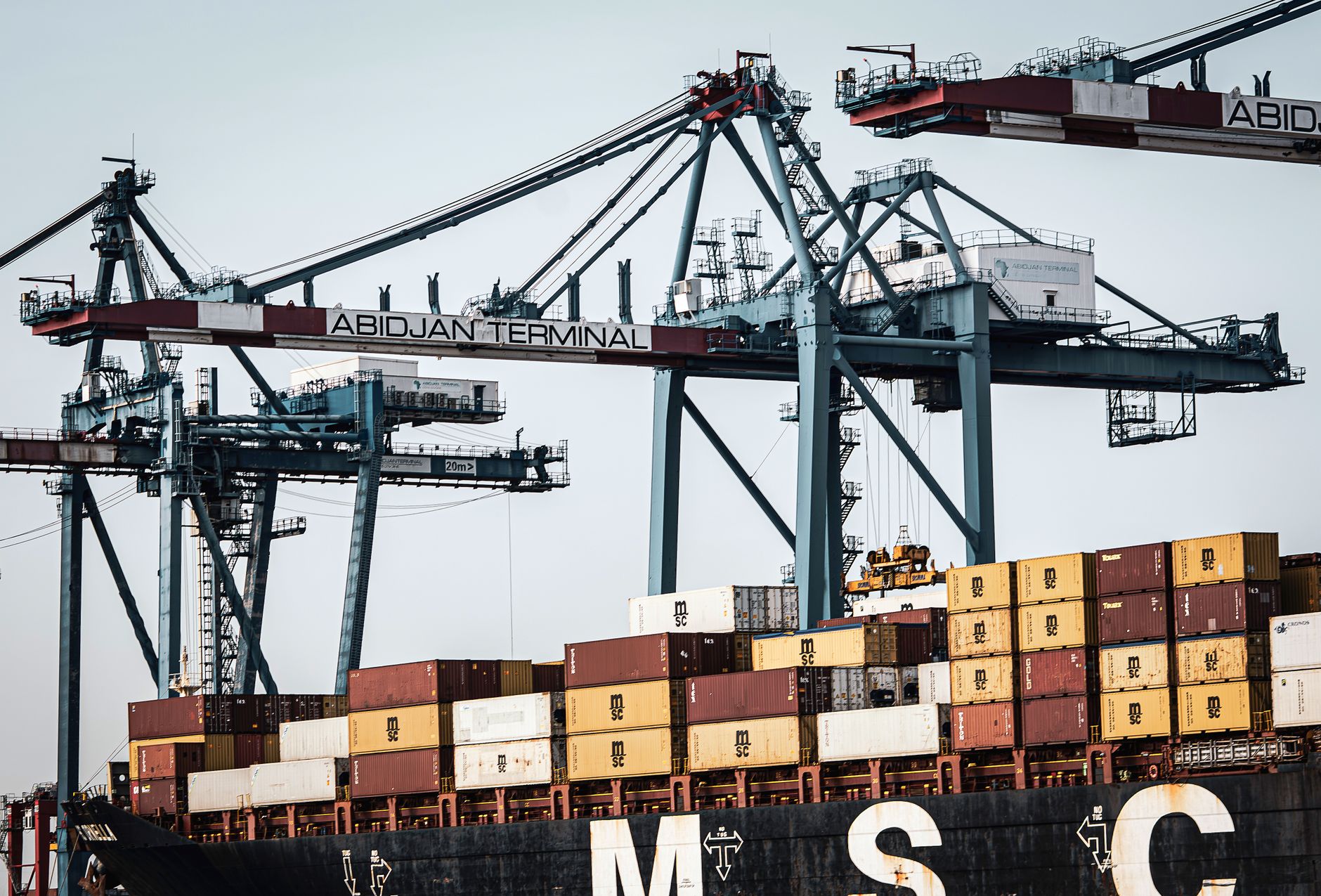
Mediterranean Shipping Company (MSC), the world's largest container shipping line by capacity, has expressed strong interest in acquiring a stake in India's Vizhinjam International Seaport in Kerala. This move signals the growing strategic importance of Indian ports in global maritime trade and highlights Vizhinjam's unique positioning in the shipping industry.
Strategic Location Advantages
Vizhinjam Port's location on India's southwestern tip offers unparalleled access to major international shipping routes. Situated just 10 nautical miles from the busy East-West shipping corridor, the port provides a natural advantage for vessels traversing between Europe, the Middle East, and Asia-Pacific regions. This proximity to main shipping lanes reduces deviation time and costs significantly compared to other Indian ports.
The port's geographical positioning also makes it an ideal transshipment hub. Unlike many Indian ports that require ships to deviate considerably from their main routes, Vizhinjam sits directly on the path that major container vessels already travel. This natural advantage reduces fuel consumption and transit time, both critical factors in the highly competitive shipping industry.
Deep-Water Natural Harbor
One of Vizhinjam's most compelling features is its natural deep-water harbor, capable of accommodating ultra-large container vessels without extensive dredging. The port can handle vessels with drafts of up to 20 meters, making it suitable for the world's largest container ships. This capability is increasingly important as shipping companies deploy bigger vessels to achieve economies of scale.
Many existing Indian ports face depth limitations that restrict the size of vessels they can accommodate. Vizhinjam's natural depth eliminates this constraint and reduces ongoing maintenance costs associated with regular dredging operations required at shallower ports.
Reducing Indian Cargo Transshipment Abroad
Currently, approximately 75 percent of India's transshipment cargo is handled at ports outside the country, primarily at Colombo, Singapore, and other regional hubs. This represents a significant loss of revenue and economic opportunity for India. Vizhinjam is positioned to capture a substantial portion of this transshipment traffic, bringing economic benefits back to Indian shores.
For MSC, having a stake in Vizhinjam means direct access to a port that can service Indian cargo without routing through foreign transshipment hubs. This reduces dependency on external infrastructure, provides better control over logistics chains, and potentially lowers operational costs for handling Indian subcontinent cargo.
Growth of Indian Maritime Trade
India's economy continues to expand, and with it, the volume of containerized cargo moving in and out of the country. The Indian government has ambitious plans to increase the country's share of global trade, and maritime infrastructure development is central to these goals. MSC's investment interest reflects confidence in India's economic trajectory and the anticipated growth in container traffic over the coming decades.
Competitive Positioning Against Regional Ports
Colombo's Jaya Container Terminal and Singapore's port have long dominated South Asian transshipment operations. Vizhinjam represents India's best opportunity to establish a competitive alternative. For MSC, being an early stakeholder in this emerging hub provides first-mover advantages and the opportunity to shape operations according to their specific operational requirements.
Infrastructure and Government Support
The Kerala government and central authorities have invested significantly in Vizhinjam's development, including road and rail connectivity, cargo handling facilities, and supporting infrastructure. The Adani Group currently operates the port under a public-private partnership model. MSC's potential stake would likely involve collaboration with existing operators, bringing additional expertise and global network benefits.
Business Synergies
MSC operates one of the world's largest shipping fleets, with services covering virtually all major trade routes. Direct involvement in port operations allows shipping lines to better coordinate vessel schedules, optimize berth utilization, and reduce turnaround times. Vertical integration into port operations has become increasingly common among major shipping lines seeking to control more of their supply chain.
The company's existing extensive presence in Indian trade makes Vizhinjam particularly attractive. With substantial volumes already moving to and from Indian ports, having a stake in a strategically located facility with superior infrastructure makes compelling commercial sense.
For India, attracting an investor of MSC's caliber validates Vizhinjam's potential and could accelerate the port's development into a world-class transshipment hub, boosting both regional economic development and national maritime ambitions.