
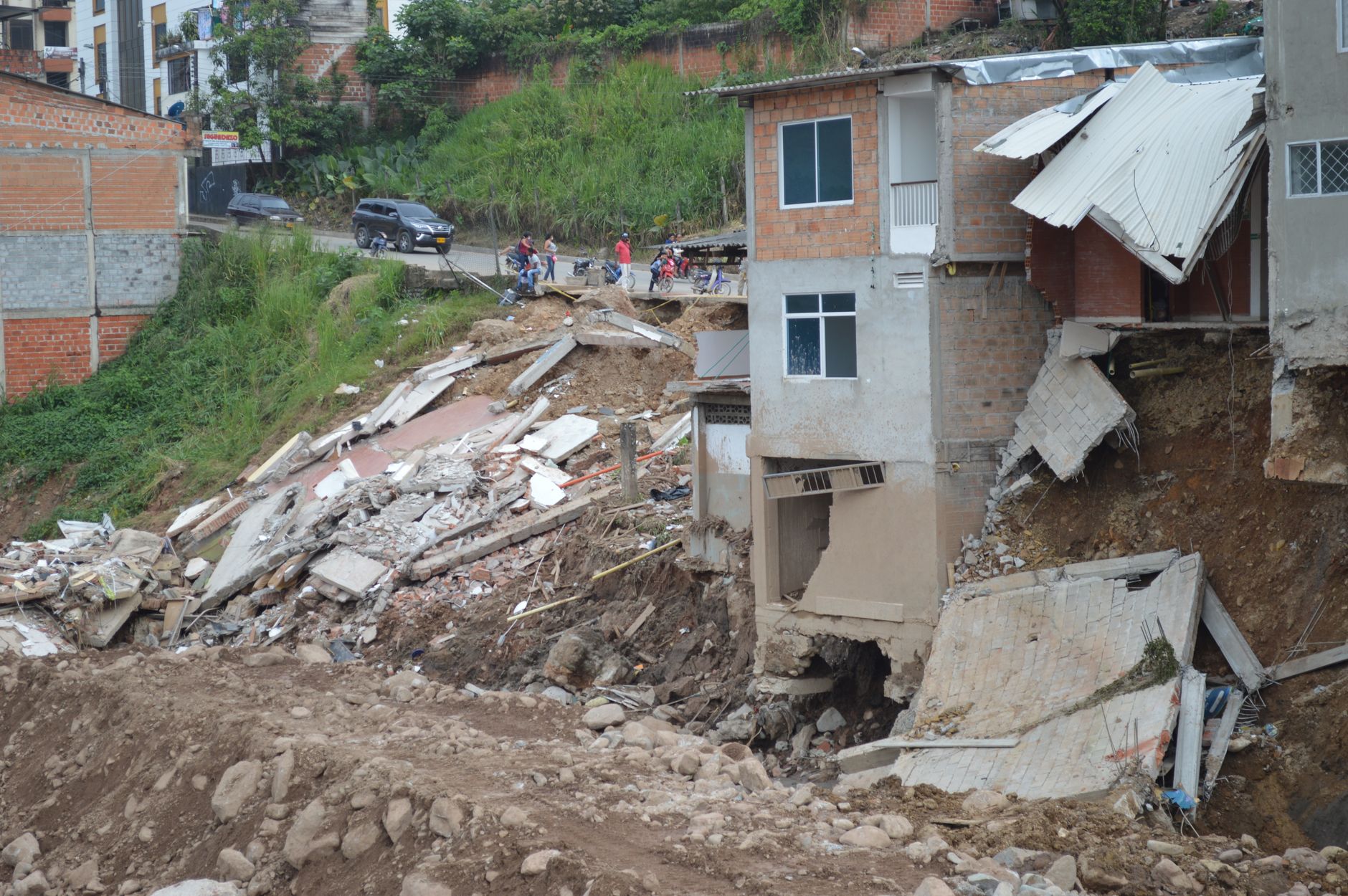
The aftermath of a significant earthquake extends far beyond the initial structural damage and immediate casualties. In Venezuela's current recovery situation, health authorities and humanitarian organizations are sounding alarms about cascading health threats that often prove more dangerous than the earthquake itself.
The Triple Threat to Public Health
Earthquake recovery zones present three primary health hazards that compound existing vulnerabilities. Airborne dust from collapsed buildings contains hazardous materials including asbestos, silica, and construction chemicals that can cause respiratory distress. Contaminated water supplies disrupted by damaged infrastructure create vectors for waterborne diseases. Meanwhile, debris fields pose ongoing risks of injury and create breeding grounds for disease-carrying pests.
In resource-constrained settings, these threats multiply exponentially. When health systems are already strained, the surge in respiratory infections, gastrointestinal illnesses, and trauma cases can overwhelm medical facilities that may themselves be damaged or operating at reduced capacity.
Respiratory Risks From Airborne Particles
The dust clouds generated by building collapses and ongoing demolition work contain a toxic mixture of particulate matter. Concrete dust, when inhaled, can cause acute respiratory distress, particularly in children, elderly individuals, and those with pre-existing lung conditions. Construction materials manufactured decades ago may contain asbestos, exposure to which carries long-term cancer risks.
Recovery workers and survivors living near debris sites face continuous exposure. Without proper respiratory protection—often unavailable in disaster zones—people inhale these particles throughout the day. Symptoms may not appear immediately but can develop into chronic conditions including silicosis, asthma, and other pulmonary diseases.
Water Contamination and Disease Outbreaks
Earthquakes typically rupture water supply lines and sewage systems, allowing cross-contamination. When clean water becomes scarce, survivors may resort to consuming water from compromised sources. This creates ideal conditions for outbreaks of cholera, typhoid fever, hepatitis A, and dysentery.
The situation becomes particularly dire when sanitation infrastructure collapses. Without functioning toilets and waste disposal systems, human waste contaminates the environment, further spreading pathogens. Children are especially vulnerable to these waterborne diseases, which can prove fatal without prompt medical intervention.
Stagnant water accumulating in debris also becomes breeding habitat for mosquitoes, raising risks of dengue fever, malaria, and other vector-borne diseases depending on the region's endemic conditions.
Debris-Related Injuries and Infections
The physical hazards of navigating through rubble and damaged structures cause numerous secondary injuries. Sharp metal fragments, broken glass, and unstable structures lead to lacerations, crush injuries, and fractures. In compromised medical environments, even minor wounds can become serious health threats.
Tetanus risk increases dramatically in disaster zones where people suffer penetrating injuries from debris contaminated with soil and rust. Many earthquake survivors may lack current tetanus vaccinations, particularly in areas with limited routine healthcare access. Without proper wound care and antibiotics, infections can rapidly progress to life-threatening conditions.
Mental Health Dimensions
Beyond physical health threats, the psychological trauma of earthquakes and the stress of living amid ongoing health hazards takes a severe toll. Post-traumatic stress disorder, anxiety, and depression affect survivors, complicating recovery efforts. The uncertainty about water safety, fear of disease outbreaks, and loss of homes and loved ones create sustained mental health challenges.
Vulnerable Populations at Greatest Risk
Certain groups face disproportionate health risks during earthquake recovery. Children's developing immune systems make them more susceptible to infections. Pregnant women require specialized care that may be unavailable. Elderly individuals and those with chronic health conditions like diabetes or heart disease struggle without access to regular medications and monitoring.
People with disabilities may find themselves unable to access health services or safe water sources. Displaced populations living in temporary shelters face concentrated exposure to all these health threats in crowded conditions with inadequate sanitation.
The Path Forward
Effective earthquake recovery requires coordinated public health interventions alongside rebuilding efforts. This includes establishing clean water distribution points, providing respiratory protection equipment, clearing debris safely, implementing disease surveillance systems, and ensuring access to medical care and medications.
International humanitarian assistance becomes crucial when national health systems cannot cope with the scale of needs. However, political and economic factors can complicate aid delivery, potentially prolonging health crises.
This article provides general information about health risks in earthquake recovery situations and should not be considered medical advice. Individuals in affected areas should follow guidance from local health authorities and seek professional medical care for any health concerns.