India's job market is witnessing a significant geographical shift as professionals increasingly look beyond traditional metros like Mumbai, Delhi, and Bangalore. According to recent data from LinkedIn, cities like Visakhapatnam (Vizag), Surat, Ludhiana, and Prayagraj are emerging as promising destinations for career growth, offering a combination of expanding opportunities and improved quality of life.
Why Tier-2 Cities Are Rising
The emergence of smaller cities as job hubs reflects several fundamental changes in India's economic landscape. Companies are diversifying their operations to reduce costs, tap into local talent pools, and establish proximity to growing consumer markets in these regions. Remote work culture, accelerated by the pandemic, has also made location less critical for many roles, encouraging businesses to set up offices in cities with lower operational costs.
These emerging cities typically offer better air quality, lower living expenses, and reduced commute times compared to overcrowded metros. For professionals, this translates into better savings potential and improved work-life balance. Real estate costs in these cities can be 50-70% lower than in metros, making homeownership more accessible for young professionals.
Profile of the Emerging Job Hubs
Visakhapatnam has established itself as a strategic industrial and port city on India's east coast. The city hosts major pharmaceutical manufacturing units, steel plants, and a growing IT sector. Its natural harbor and proximity to mineral resources have attracted investments in logistics, manufacturing, and export-oriented industries.
Surat, known as India's diamond and textile hub, continues to expand its industrial base. The city has seen significant growth in manufacturing, particularly in synthetic textiles, chemicals, and diamond processing. Additionally, Surat is developing its startup ecosystem, with increasing focus on technology-driven solutions for traditional industries.
Ludhiana, Punjab's industrial capital, dominates in bicycle manufacturing, auto parts, and textile production. The city's entrepreneurial culture and strong small and medium enterprise sector create diverse job opportunities across manufacturing, sales, marketing, and supply chain management.
Prayagraj, formerly Allahabad, has transformed significantly with infrastructure development and smart city initiatives. Government offices, educational institutions, and a growing services sector are driving employment growth. The city's improving connectivity and urban amenities make it attractive for both businesses and professionals.
Sectors Driving Job Growth
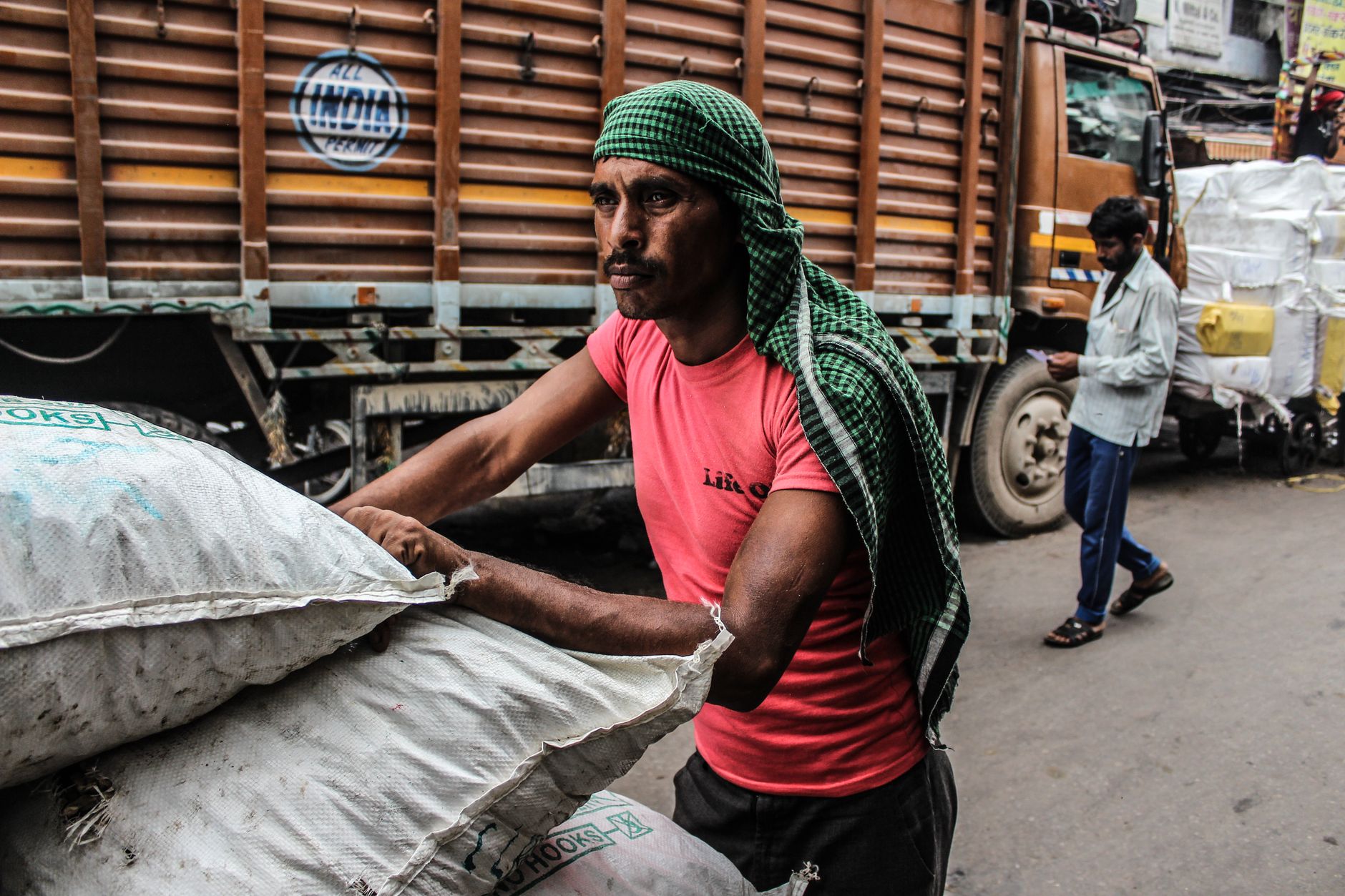
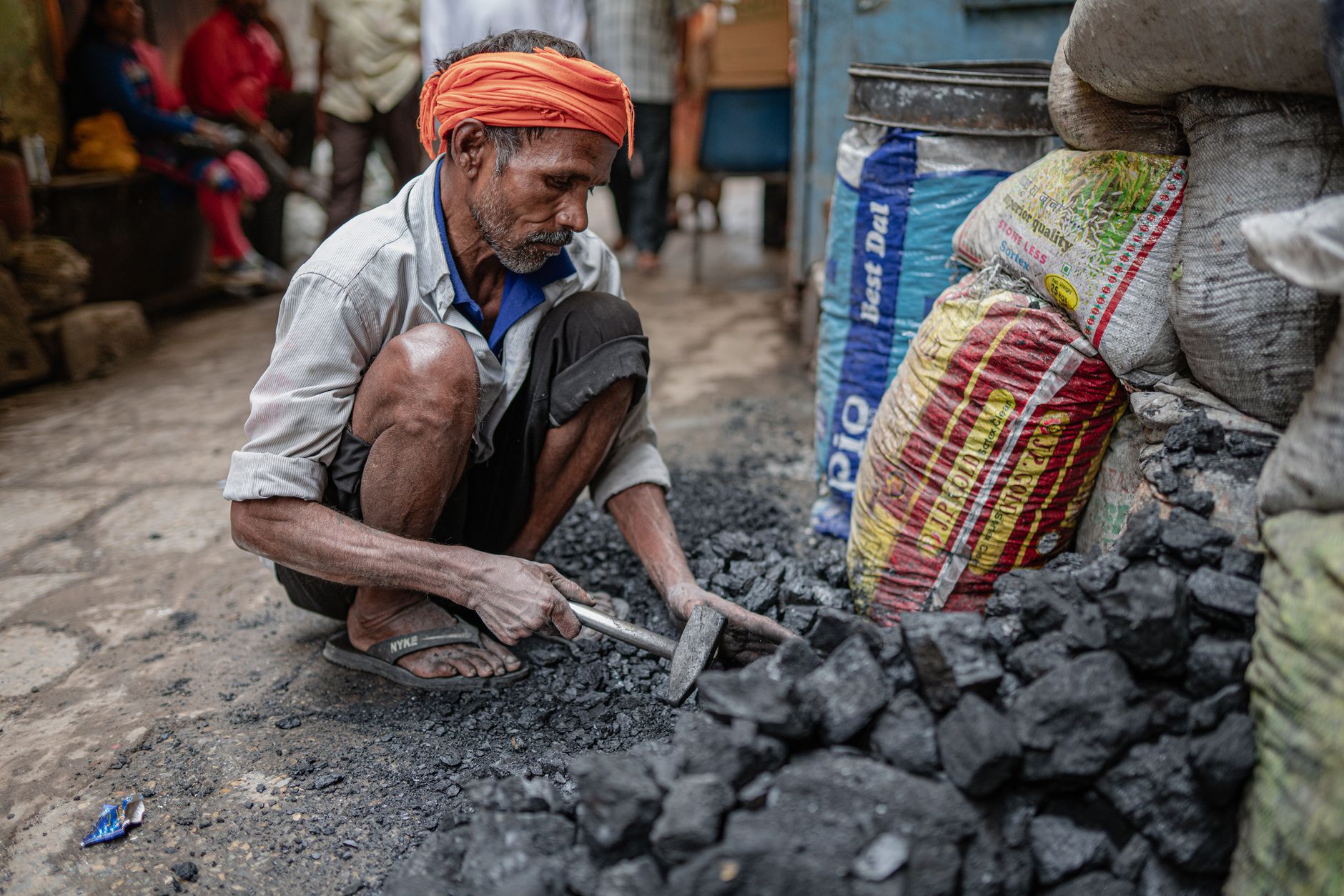
Manufacturing remains the primary employment driver in these cities, with automotive components, textiles, pharmaceuticals, and food processing leading the way. These sectors require skilled workers across production, quality control, logistics, and management functions.
The IT and business services sector is expanding rapidly in tier-2 cities as companies establish back-office operations, customer support centers, and even development centers. Cities like Vizag are attracting IT investments through favorable government policies and availability of engineering graduates from local institutions.
Logistics and supply chain roles have multiplied as e-commerce penetration increases and companies establish distribution networks closer to emerging consumer markets. These cities serve as strategic hubs connecting producers to consumers across regions.
Healthcare, education, and retail sectors are also creating numerous jobs as these cities experience rising incomes and growing middle-class populations demanding better services.
Opportunities and Challenges
For job seekers, these emerging cities offer faster career progression with less competition than metros. Professionals can gain broader responsibilities and visibility within organizations. The cost advantage allows for higher quality of life even with slightly lower salaries compared to metros.
However, challenges remain. Professional networking opportunities may be more limited, and specialized roles in niche industries could be scarce. Cultural and entertainment options might not match metro standards, which matters to some professionals. Infrastructure development, while improving, still lags behind major cities in areas like public transportation and healthcare facilities.
Making the Move
Professionals considering opportunities in these cities should research industry presence thoroughly. Understanding which companies have established operations and their growth plans helps identify stable career prospects. Evaluating living costs, housing availability, educational facilities for families, and connectivity to other cities ensures the move aligns with personal priorities.
Many companies offer relocation support, and negotiating for adequate support during transition can ease the move. Building professional networks through industry associations and local business groups becomes crucial for long-term career success.
The rise of tier-2 and tier-3 cities as job destinations represents a maturing Indian economy with more distributed growth. For professionals willing to look beyond metros, these emerging cities offer compelling opportunities to build careers while enjoying better quality of life.