
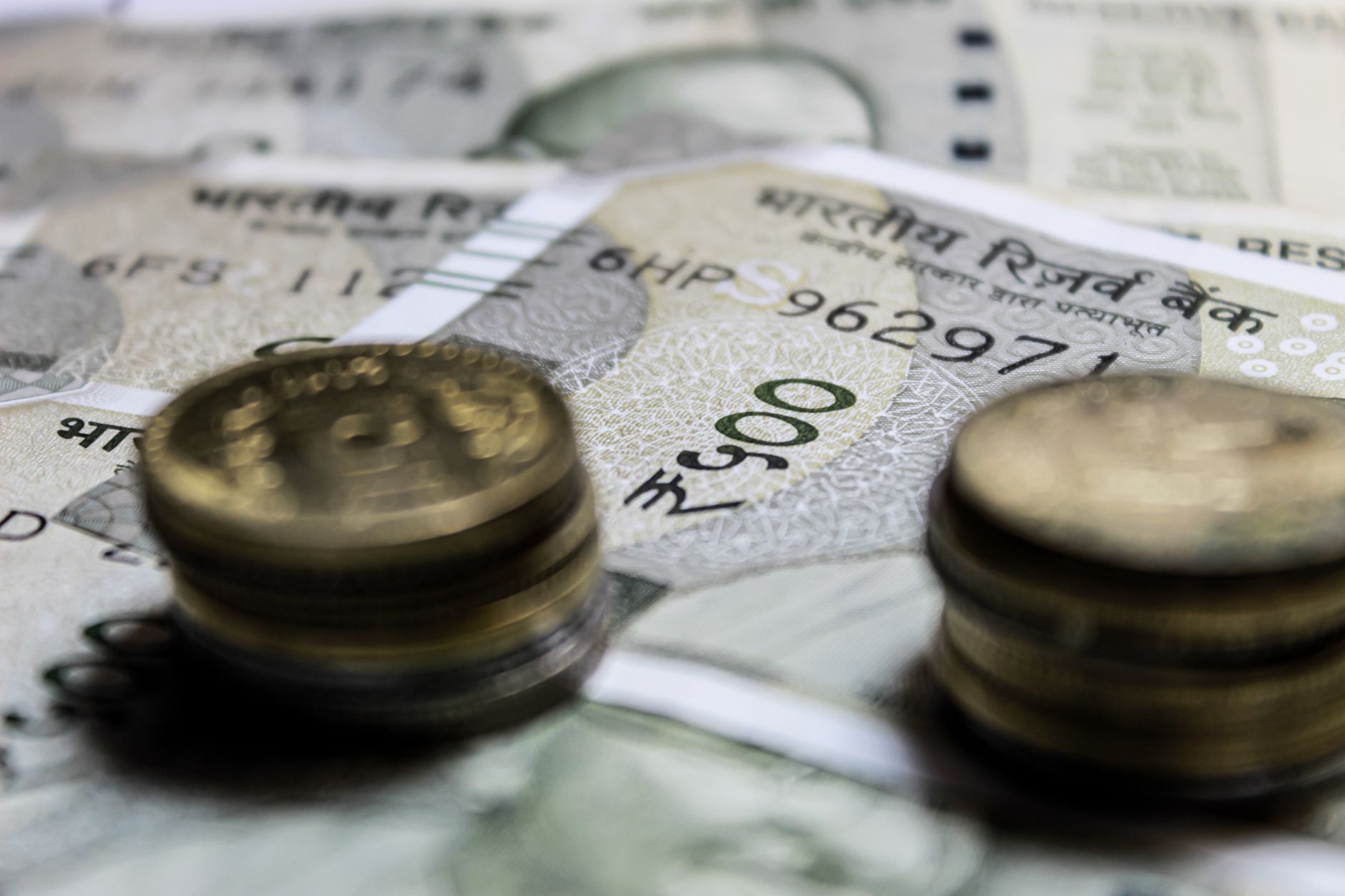
When India gained independence on August 15, 1947, the Indian rupee began its journey as the official currency of a newly sovereign nation. Understanding this evolution offers valuable insights for investors and citizens alike about how currency movements shape economic outcomes and personal finances.
The Early Years: 1947-1966
At independence, the Indian rupee was pegged to the British pound sterling, reflecting colonial ties. One rupee equaled one shilling sixpence in the British currency system. The rupee was relatively strong during this period, and India maintained a fixed exchange rate system inherited from the British Raj.
The currency remained fairly stable through the 1950s as India embarked on its planned economic development model. The government controlled most aspects of the economy, including currency exchange, which limited the rupee's exposure to market forces.
The First Major Devaluation: 1966
India faced its first major currency crisis in 1966. Following droughts, wars with China and Pakistan, and depleting foreign exchange reserves, the government devalued the rupee by 36.5 percent against the dollar. This decision was controversial but necessary to improve export competitiveness and address balance of payments issues.
The devaluation of 1966 marked a turning point, demonstrating that even government-controlled currencies could not escape economic realities. For ordinary Indians, this meant imported goods became more expensive overnight, affecting purchasing power significantly.
The Transition Period: 1970s-1980s
During the 1970s, global economic shocks including the oil crisis affected India's economy and currency. The rupee was delinked from the pound sterling in 1971 and linked instead to a basket of currencies. This period saw gradual depreciation as India grappled with inflation, slow growth, and increasing external debt.
The 1980s continued this trend of managed depreciation. The government attempted to balance export competitiveness with import costs, leading to periodic adjustments in the exchange rate. However, these decades laid the groundwork for future problems as fiscal deficits widened and foreign reserves remained precariously low.
The 1991 Crisis and Liberalization
The most dramatic turning point came in 1991 when India faced a severe balance of payments crisis. Foreign exchange reserves had fallen to barely two weeks of imports, and the country was on the brink of default. The government devalued the rupee by approximately 18-19 percent in two stages in July 1991.
More importantly, this crisis triggered comprehensive economic reforms. India moved toward a liberalized market-based exchange rate system in 1993, transitioning from decades of strict controls. The rupee became market-determined, though the Reserve Bank of India continued to intervene to prevent excessive volatility.
The Modern Era: 2000s to Present
The new millennium brought fresh challenges and opportunities. The rupee appreciated during the mid-2000s boom years, reaching around 39-40 per dollar by 2007. However, the 2008 global financial crisis reversed these gains, and the rupee has faced depreciation pressure since then.
Key milestones in recent years include:
- The rupee breaching the psychological level of 50 per dollar in 2011
- Hitting record lows near 69 per dollar in 2013 during the "taper tantrum"
- Crossing 70 per dollar in 2018
- Touching 80 per dollar in 2022
- Fluctuating around 83-84 per dollar in 2024
What This Means for Investors
The rupee's depreciation over seven decades reflects India's economic journey from a closed, controlled economy to an increasingly market-driven one. For investors, currency movements create both risks and opportunities.
Rupee depreciation makes exports more competitive but increases the cost of imports, particularly crude oil, which India heavily depends on. It also affects inflation, interest rates, and ultimately stock market valuations. Companies with significant foreign currency debt face higher repayment burdens, while exporters benefit from rupee weakness.
For individual investors, a depreciating rupee enhances returns from international investments when converted back to rupees, but it also makes foreign education, travel, and imported goods more expensive.
Looking Forward
Today's Indian rupee is vastly different from its 1947 version. It has transitioned from a colonial-era fixed currency to a managed float influenced by global capital flows, trade balances, and monetary policy decisions. The Reserve Bank of India continues to manage the rupee carefully, intervening to smooth volatility while allowing market forces to play a larger role.
Understanding this historical context helps investors make informed decisions about asset allocation, international exposure, and timing of currency-sensitive transactions in an increasingly globalized economy.
This article is for general informational purposes only and should not be considered financial or investment advice. Currency movements are influenced by numerous complex factors, and past performance does not guarantee future results. Consult with a qualified financial advisor before making investment decisions.