
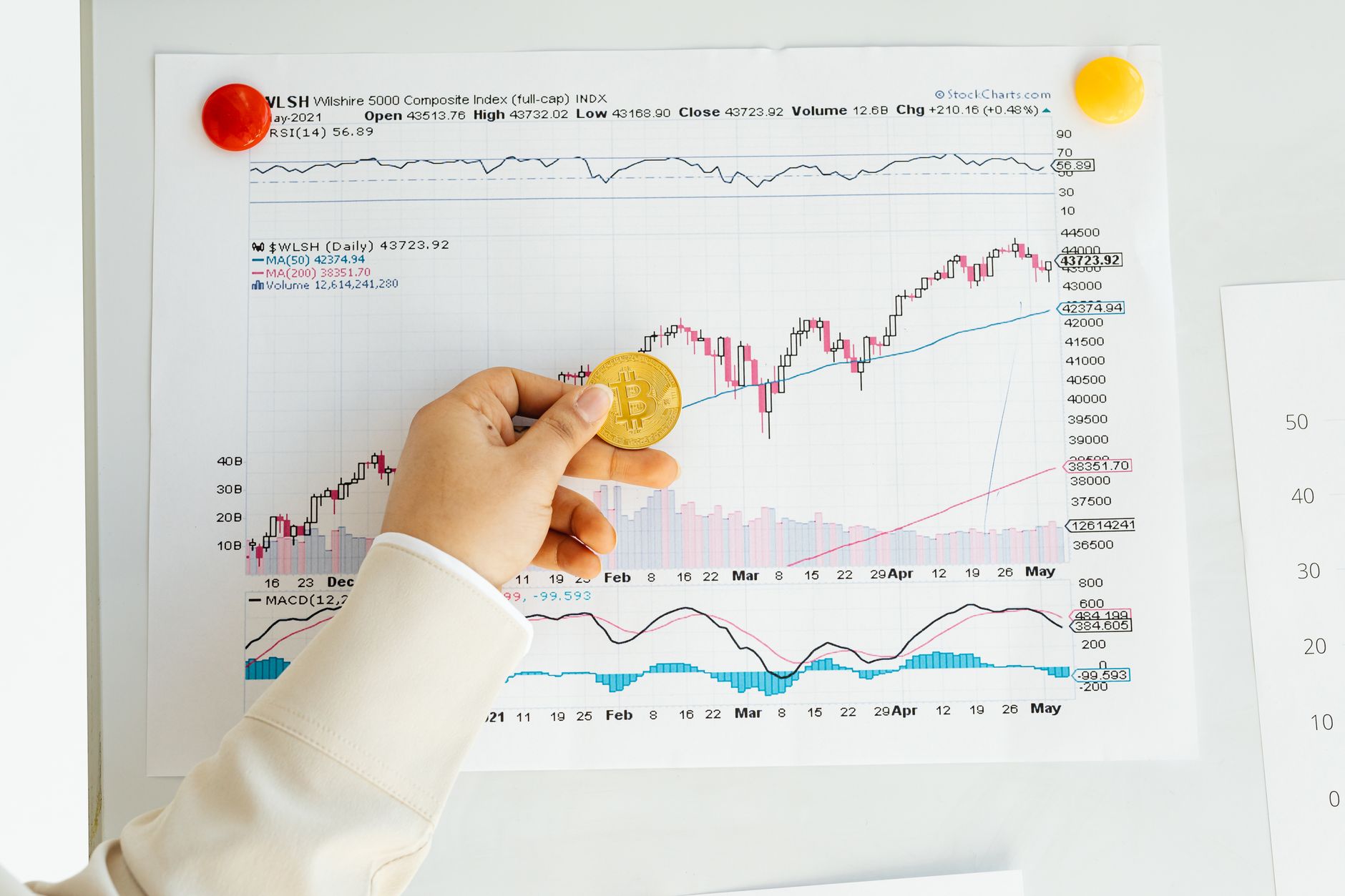
The Indian stock market experienced significant turbulence recently, with benchmark indices Sensex and Nifty50 tumbling sharply, erasing around Rs 8 lakh crore from investor portfolios. Such dramatic market movements, often termed as "bloodbaths" in financial media, can be unsettling for investors, particularly those new to equity investing. Understanding what drives these sharp corrections and how to respond is essential for long-term financial health.
What Causes Sharp Market Declines
Stock market crashes or significant corrections rarely occur due to a single factor. Multiple elements typically converge to create a perfect storm that shakes investor confidence. Global economic uncertainties, changes in monetary policy by central banks, geopolitical tensions, and weak corporate earnings can all contribute to market selloffs. In the Indian context, foreign institutional investor outflows, rupee depreciation, and concerns about economic growth can amplify downward pressure on indices.
Market sentiment plays a crucial role in such episodes. When fear grips the market, panic selling can accelerate declines, creating a self-reinforcing cycle. Algorithmic trading and derivative positions can further exacerbate volatility during such periods, leading to sharp intraday swings that magnify losses.
Understanding Market Corrections vs Crashes
It is important to distinguish between different types of market declines. A correction typically refers to a decline of 10 percent or more from recent peaks and is considered a normal part of market cycles. A crash, however, involves much steeper and more sudden drops, often exceeding 20 percent in a short timeframe.
Historical data shows that markets experience corrections regularly, sometimes multiple times within a year. These temporary setbacks are healthy mechanisms that prevent excessive speculation and overvaluation. Long-term investors who maintain perspective during these periods have historically been rewarded as markets eventually recover and reach new highs.
How Different Investors Are Affected
The impact of market declines varies significantly based on investor profiles. Long-term investors with diversified portfolios and a time horizon of several years are better positioned to weather short-term volatility. Their focus remains on the fundamental strength of companies and the broader economy rather than daily price movements.
Short-term traders and those who have invested borrowed money face greater risks during market downturns. Margin calls can force liquidation at unfavorable prices, locking in losses. Similarly, investors nearing retirement or those who need to access their investments soon may find themselves in difficult situations if forced to sell during a downturn.
Smart Strategies During Market Volatility
Rather than making emotional decisions during market turbulence, investors should adopt strategic approaches. Here are key considerations:
- Avoid panic selling based on daily market movements or sensational headlines
- Review your portfolio allocation and ensure it matches your risk tolerance and investment horizon
- Consider rebalancing if certain assets have become overweight or underweight
- Maintain an emergency fund separate from market investments to avoid forced selling
- Focus on quality stocks with strong fundamentals rather than speculative positions
For those with regular income and a long investment horizon, market corrections can present opportunities to accumulate quality stocks at lower valuations through systematic investment plans. This approach, known as rupee cost averaging, can help investors benefit from market volatility over time.
The Importance of Asset Allocation
One of the most effective ways to manage risk during market volatility is through proper asset allocation. A well-balanced portfolio typically includes a mix of equities, debt instruments, gold, and other asset classes based on individual risk appetite and goals. When equity markets crash, other asset classes may provide stability or even gains, cushioning the overall portfolio impact.
Younger investors can typically afford higher equity exposure due to their longer investment horizon, while those closer to retirement should have greater allocation to stable income-generating assets. Regular portfolio reviews ensure that allocation remains appropriate as circumstances change.
Looking Beyond the Headlines
Sensational headlines about market crashes, while attention-grabbing, should not drive investment decisions. Markets have historically demonstrated resilience, recovering from crashes and corrections to deliver positive long-term returns. The key is maintaining discipline, staying invested according to your plan, and avoiding the temptation to time the market based on short-term movements.
This article is for general informational purposes only and should not be construed as financial or investment advice. Market investments carry inherent risks, and past performance does not guarantee future results. Readers should consult with qualified financial advisors to understand their specific situation and make informed investment decisions appropriate to their individual circumstances and risk tolerance.