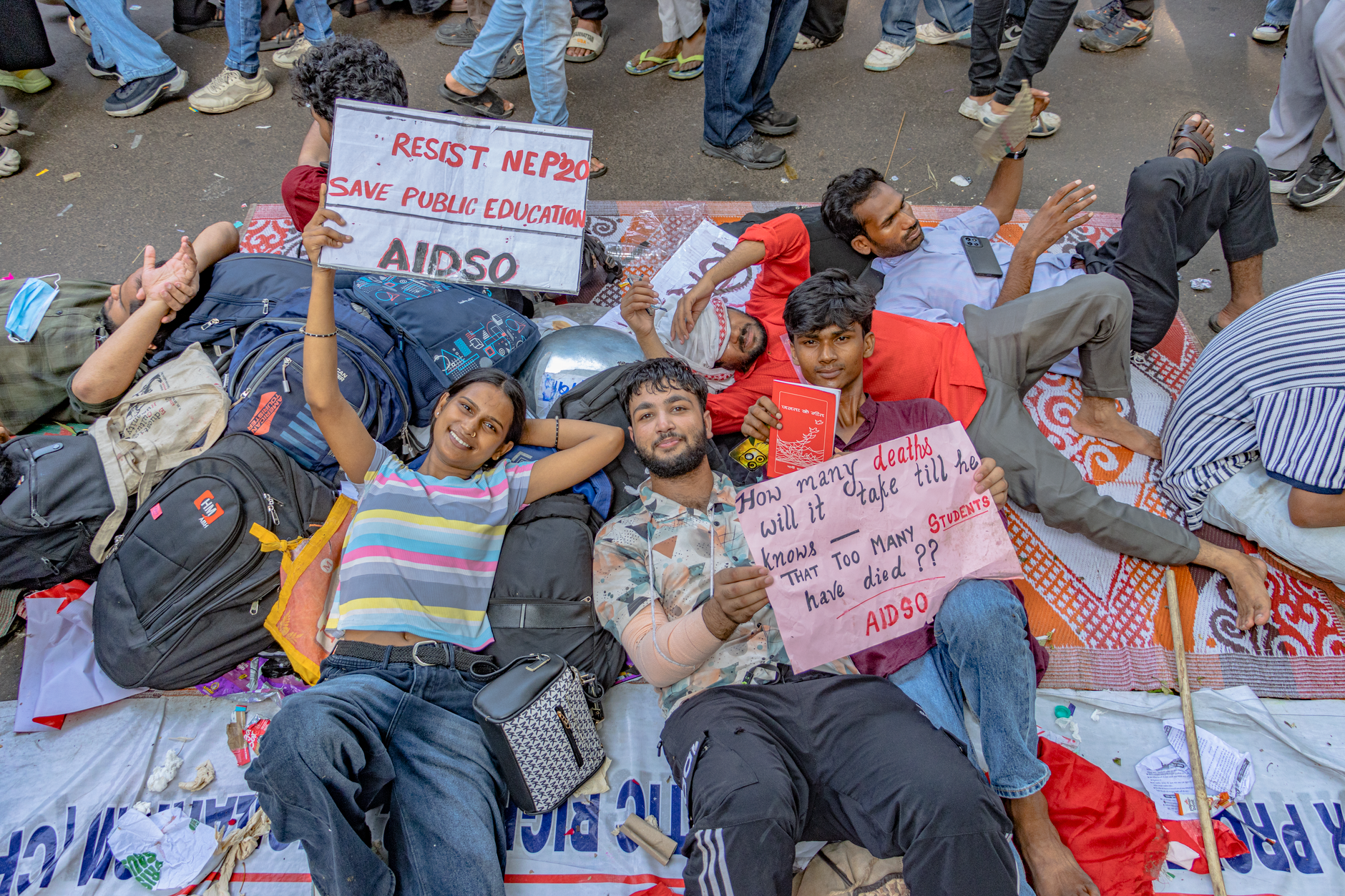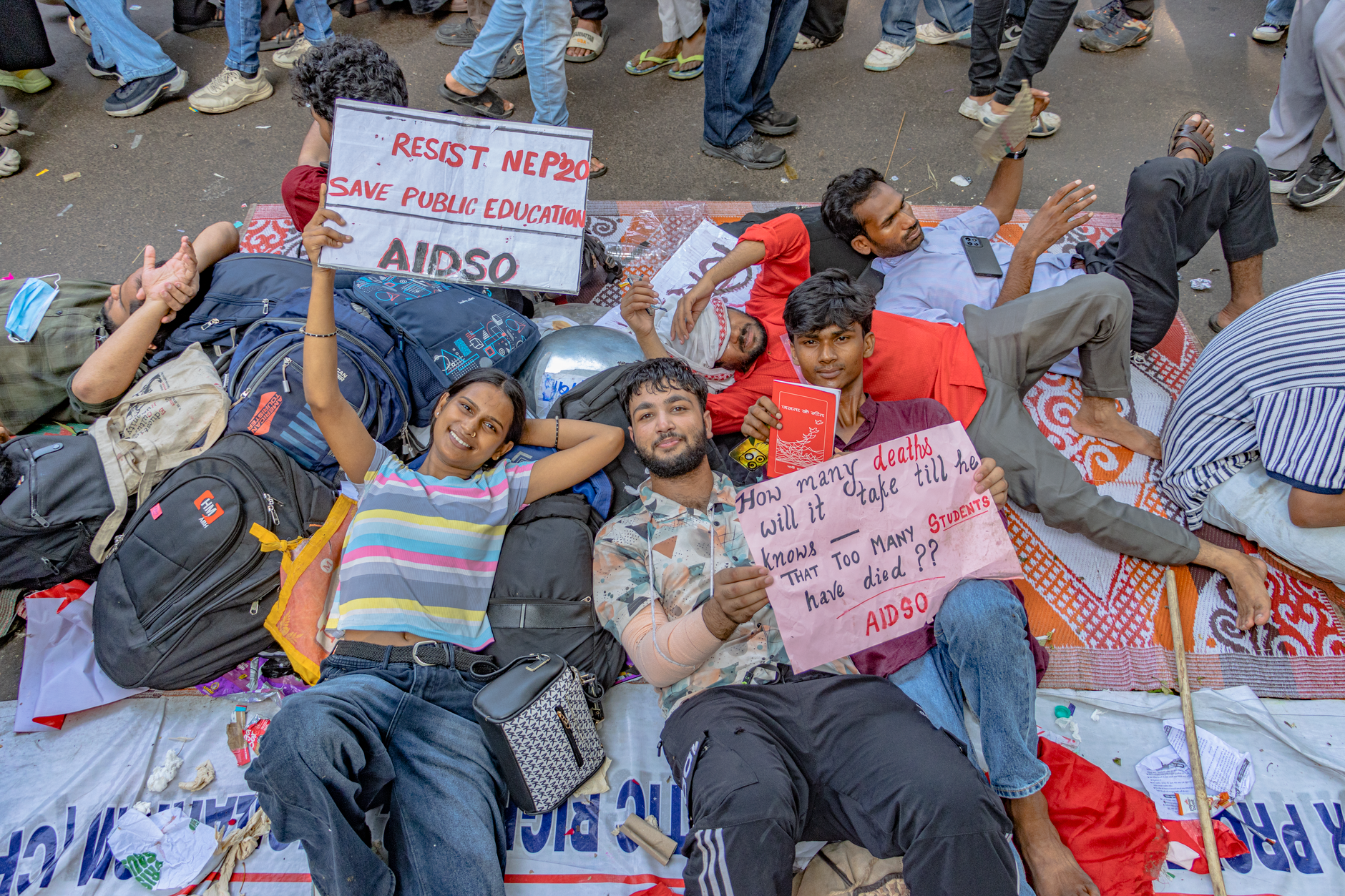

India's education sector stands at a crossroads, caught between the massive demand for quality learning opportunities and the constitutional promise of accessible education for all. With over 260 million students enrolled across schools and higher education institutions, the sheer scale of India's educational needs has naturally attracted private capital. Yet the question remains: can private investment genuinely improve educational outcomes without compromising equity and access?
The Promise of Private Capital
Private investment in education has undeniably expanded access across India. From pre-schools to test preparation centers, engineering colleges to online learning platforms, private players have filled gaps that government infrastructure struggled to address. In cities and towns, private schools often boast better facilities, lower teacher-student ratios, and more diverse curricula than their government counterparts.
The edtech boom exemplifies this potential. Companies have democratized access to quality content, bringing experienced teachers to students in remote areas through digital platforms. Affordable smartphones and improving internet connectivity have made this model viable even in tier-3 cities and beyond.
Private universities and deemed institutions have also introduced innovative courses aligned with industry needs, helping bridge the skills gap that traditional education often leaves unaddressed. Management, engineering, and professional education have particularly benefited from private sector dynamism and responsiveness to market demands.
The Pitfalls of Profit-Driven Education
However, idealism must be tempered with reality. Education differs fundamentally from typical market goods because its benefits are long-term, difficult to measure, and critical for social mobility. When education becomes purely commercial, several concerns emerge.
The most obvious is affordability. Quality private education remains out of reach for millions of Indian families. Annual fees at reputed private schools in metros can exceed the annual income of median households. This creates a two-tier system where educational opportunities increasingly depend on parental income rather than student potential.
Quality concerns also plague the sector. Not all private institutions maintain high standards. Many operate as degree mills, offering credentials without genuine learning. Regulatory oversight remains patchy, allowing substandard institutions to exploit students and parents. The recent troubles faced by several edtech companies—including aggressive sales tactics, content quality issues, and loan defaults—highlight how profit motives can override educational objectives.
Furthermore, private investment tends to concentrate in profitable segments—urban areas, higher education, test preparation—while neglecting foundational education and rural regions where needs are greatest but returns lowest. This creates geographical and social inequalities that undermine education's role as an equalizer.
Finding the Balance
India needs private investment in education, but within a framework that ensures accountability and equity. Several principles should guide this approach:
- Robust regulation that sets and enforces minimum quality standards without stifling innovation
- Transparency requirements around fees, learning outcomes, and employment statistics
- Incentive structures that encourage private players to serve underserved populations
- Clear distinctions between non-profit and for-profit educational institutions with appropriate governance norms
- Stronger public investment alongside private participation to maintain a quality government education option
- Regular assessment mechanisms that measure actual learning outcomes rather than just infrastructure or enrollment numbers
The Role of Hybrid Models
Some of the most promising developments combine public resources with private efficiency. Public-private partnerships in education, when properly structured, can leverage private sector management capabilities while maintaining public oversight and objectives.
Low-cost private schools that operate on sustainable models with reasonable fees represent another middle path. These institutions demonstrate that affordability and quality need not be mutually exclusive when innovation focuses on efficiency rather than premium pricing.
Technology platforms that work with government schools to enhance existing teaching rather than replace it also show promise. Such models enhance rather than fragment the education ecosystem.
Looking Forward
India's educational challenges—improving learning outcomes, expanding access, enhancing employability—are too vast for either government or private sector to address alone. The solution lies not in choosing between public and private but in creating frameworks where private investment amplifies rather than undermines educational objectives.
This requires policymakers to maintain clear-eyed assessment of both market potential and market failures in education. It demands regulation that protects students while encouraging innovation. Most importantly, it necessitates keeping the fundamental purpose of education—creating informed, capable citizens—at the center of all policy decisions.
Private capital has energy, innovation, and resources that India's education sector desperately needs. But without appropriate guardrails and a commitment to equity, that same capital can deepen inequalities and reduce education to a mere commodity. India's path forward requires idealism about education's transformative potential combined with clear-eyed realism about market limitations—idealism without illusions.