
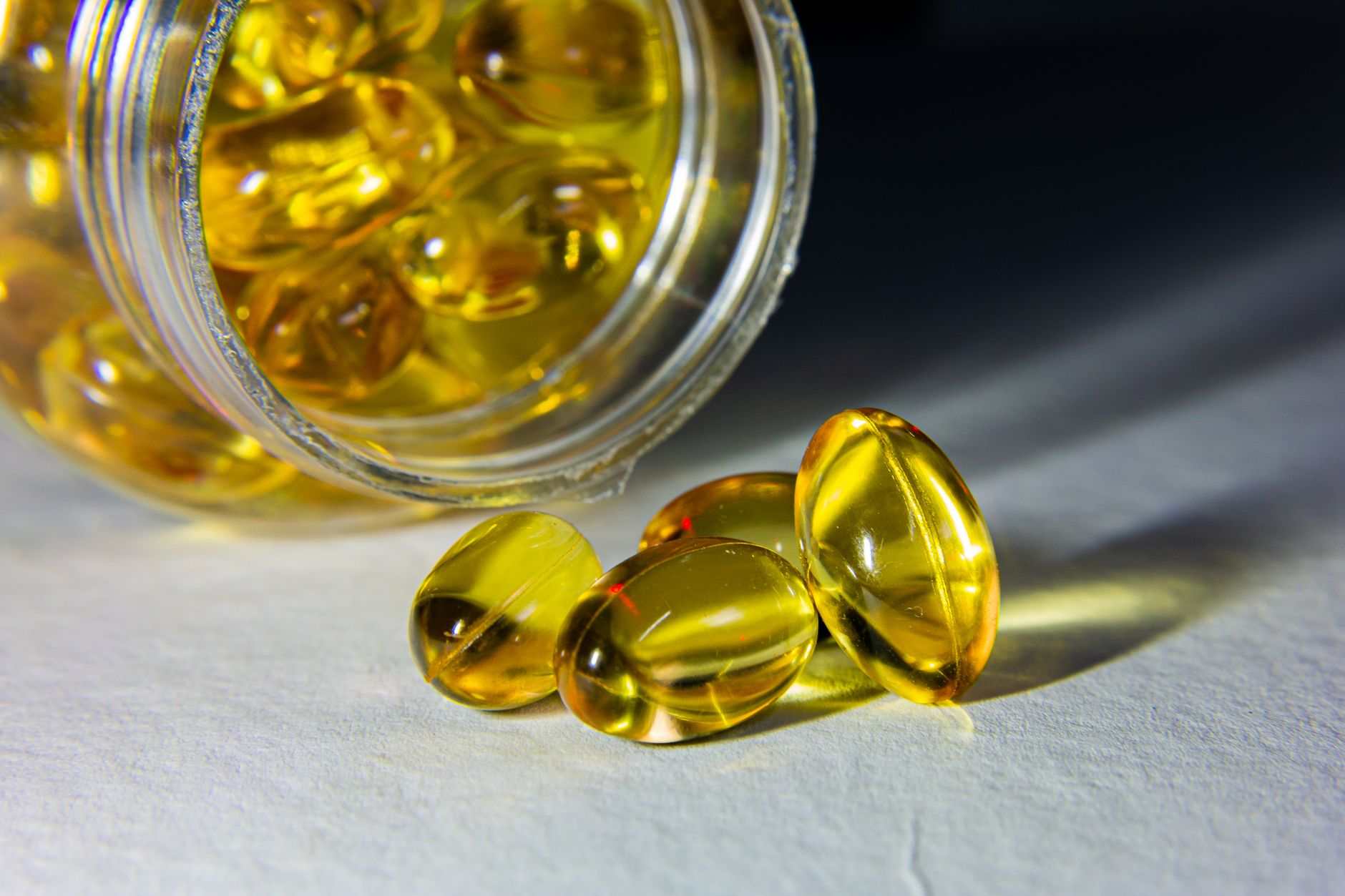
India receives abundant sunlight throughout the year, with most regions enjoying over 300 sunny days annually. Yet paradoxically, the country faces one of the highest rates of vitamin D deficiency globally, with studies suggesting that 50-70% of Indians have inadequate levels of this crucial nutrient. This silent health crisis affects people across all age groups and socioeconomic backgrounds, raising important questions about modern lifestyles and health awareness.
The Vitamin D Deficiency Epidemic
Vitamin D, often called the "sunshine vitamin," is essential for calcium absorption, bone health, immune function, and overall wellbeing. The human body produces vitamin D naturally when skin is exposed to ultraviolet B (UVB) rays from sunlight. Given India's geographical location and climate, one would expect vitamin D deficiency to be rare. However, recent research paints a different picture, with alarming deficiency rates documented across urban and rural populations alike.
Why Sunshine Isn't Translating to Vitamin D
Several interconnected factors explain this paradox. The rapid shift toward indoor lifestyles, particularly in urban areas, means many Indians spend most daylight hours inside air-conditioned offices, homes, and vehicles. The rise of remote work has further reduced outdoor exposure for millions of professionals.
Cultural and religious practices also play a role. Many women observe purdah or wear clothing that covers most of their body for modesty or religious reasons, significantly limiting skin exposure to sunlight. Additionally, the widespread use of sunscreen and skin-lightening products, driven by beauty standards favoring fair skin, blocks the UVB rays necessary for vitamin D synthesis.
Air pollution in major cities creates another barrier. Particulate matter and smog can filter out UVB radiation before it reaches the ground, reducing the effectiveness of sun exposure even for those who spend time outdoors.
The Skin Pigmentation Factor
Melanin, the pigment that gives skin its color, acts as a natural sunscreen by absorbing UVB radiation. Indians generally have darker skin tones with higher melanin content, meaning they require longer sun exposure than lighter-skinned populations to produce the same amount of vitamin D. What might take 10-15 minutes for someone with fair skin could require 30-60 minutes for someone with darker skin.
Dietary Gaps and Nutritional Challenges
Unlike Western countries where vitamin D fortification of milk and cereals is common, India lacks widespread food fortification programs. The traditional Indian diet, while nutritious in many ways, is relatively low in natural vitamin D sources. Few foods naturally contain significant vitamin D, with fatty fish, egg yolks, and liver being the primary dietary sources. Given that a large percentage of Indians follow vegetarian diets for cultural or religious reasons, dietary vitamin D intake is often minimal.
Health Consequences of Deficiency
The impact of widespread vitamin D deficiency extends far beyond bone health. While rickets in children and osteomalacia in adults are well-known consequences, emerging research links vitamin D deficiency to numerous other health conditions:
- Increased risk of respiratory infections and reduced immune function
- Higher susceptibility to autoimmune diseases
- Greater risk of cardiovascular disease and hypertension
- Links to depression, anxiety, and cognitive decline
- Possible associations with diabetes and metabolic syndrome
- Complications during pregnancy and childbirth
For a developing nation with an already burdened healthcare system, these consequences represent a significant public health challenge.
Addressing the Crisis
Solving India's vitamin D deficiency requires a multi-pronged approach. Public health awareness campaigns need to educate people about the importance of sensible sun exposure, recommending 15-30 minutes of midday sun on arms and legs several times weekly, balanced against skin cancer risks.
Government-led food fortification programs, similar to the successful iodization of salt, could help address dietary gaps. Encouraging fortification of commonly consumed items like milk, cooking oil, and flour could make a significant difference.
Healthcare providers should include vitamin D screening in routine health checkups, particularly for high-risk groups including pregnant women, elderly individuals, and those with chronic diseases. Supplementation may be necessary for many, but should be done under medical supervision to avoid toxicity from excessive intake.
Ultimately, addressing this silent epidemic requires acknowledging that traditional assumptions about sun exposure no longer hold true in modern India. Lifestyle changes, cultural practices, and environmental factors have created a perfect storm for vitamin D deficiency, requiring conscious effort and systemic interventions to reverse this troubling trend.
This article is for general informational purposes only and should not be considered medical advice. Consult with a qualified healthcare provider for personalized recommendations regarding vitamin D testing, supplementation, and treatment.