
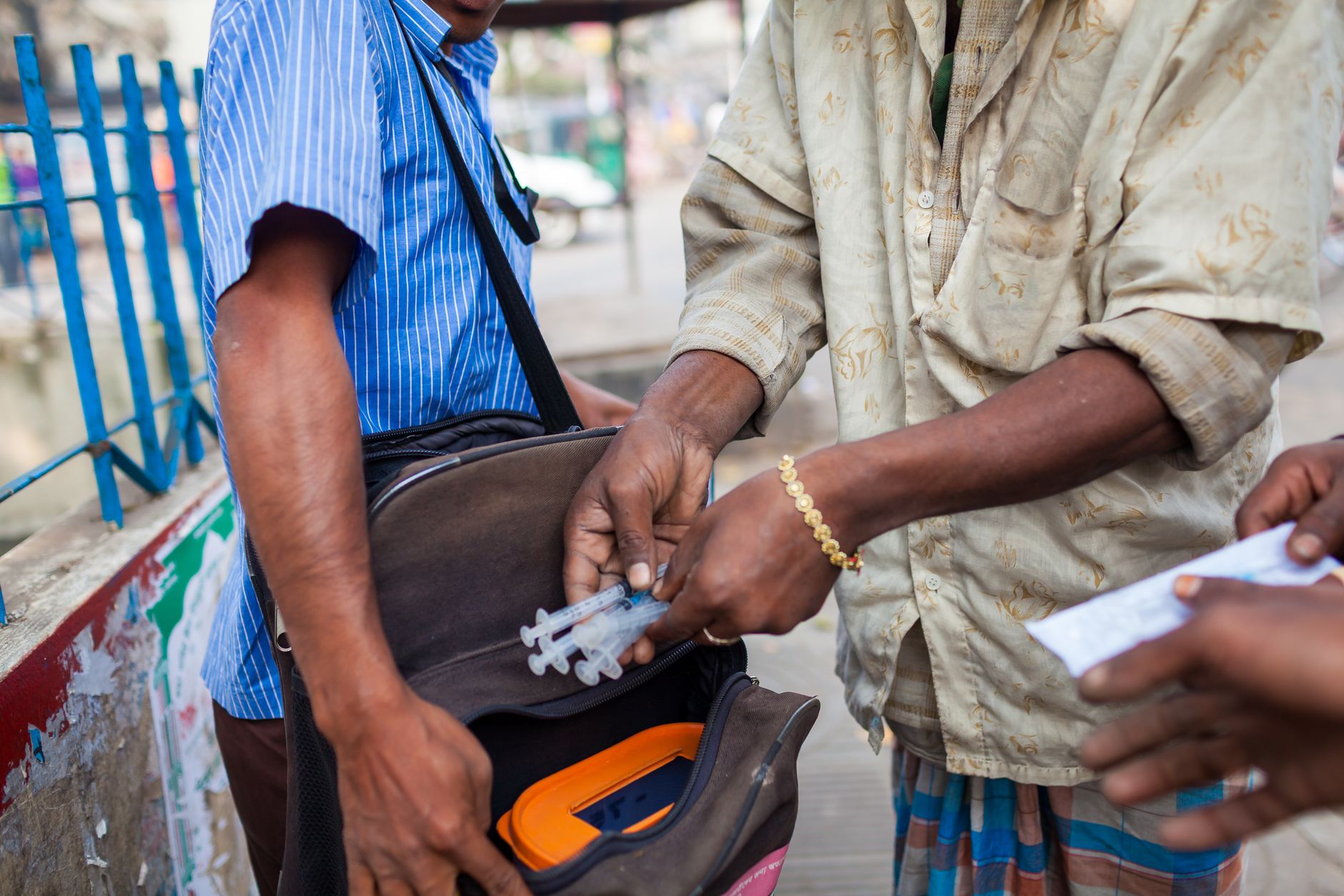
India has renewed its commitment to eliminate hepatitis as a major public health concern by 2030, aligning with global health objectives. This ambitious initiative addresses a silent epidemic that affects millions of Indians, many of whom remain unaware of their infection status.
Understanding the Hepatitis Burden in India
Hepatitis refers to inflammation of the liver, commonly caused by viral infections. Five main types exist—A, B, C, D, and E—with hepatitis B and C posing the greatest long-term health risks. India carries a substantial burden of viral hepatitis, with an estimated 40 million people living with chronic hepatitis B and 6-12 million with hepatitis C.
The disease often progresses silently over years, causing liver damage, cirrhosis, and potentially liver cancer without noticeable symptoms in early stages. This silent progression makes hepatitis particularly dangerous and contributes to significant mortality rates.
Key Components of India's Elimination Strategy
The government's intensified efforts encompass multiple approaches to tackle hepatitis comprehensively:
- Expanded screening programmes in healthcare facilities to identify infected individuals
- Free diagnostic testing in government hospitals and primary health centres
- Subsidised or free treatment for hepatitis B and C patients
- Enhanced vaccination coverage for hepatitis B, particularly for newborns and high-risk groups
- Awareness campaigns to educate the public about transmission, prevention, and treatment
- Training healthcare workers to identify, diagnose, and manage hepatitis cases effectively
The Role of Vaccination
Hepatitis B vaccination remains a cornerstone of prevention efforts. India introduced the hepatitis B vaccine into its universal immunisation programme in 2002, and it now forms part of the pentavalent vaccine given to infants. The birth dose, administered within 24 hours of delivery, is critical for preventing mother-to-child transmission.
Vaccination efforts now extend beyond infants to include high-risk populations such as healthcare workers, people who inject drugs, and those with multiple sexual partners. These targeted interventions help create broader immunity within communities.
Treatment Advances Make Elimination Feasible
Recent medical advances have transformed hepatitis from a chronic, progressive disease into a manageable and even curable condition. For hepatitis C, direct-acting antiviral medications can cure over 95 percent of cases within 8-12 weeks of treatment. These drugs are now available in India at significantly reduced costs compared to international markets.
For hepatitis B, while complete cure remains elusive, antiviral medications can effectively suppress the virus, preventing liver damage and reducing transmission risk. Long-term treatment helps patients live normal, healthy lives.
Challenges on the Path to Elimination
Despite these advances, several obstacles hinder elimination efforts:
- Low awareness about hepatitis, particularly in rural areas where stigma and misconceptions persist
- Limited screening infrastructure in remote regions
- Gaps in the healthcare workforce trained to manage viral hepatitis
- Incomplete data on disease prevalence in certain populations
- Need for sustained funding to maintain screening and treatment programmes
- Ensuring continuity of care for patients requiring long-term treatment
The 2030 Target and Global Context
India's 2030 elimination goal aligns with the World Health Organisation's global health sector strategy on viral hepatitis. The WHO defines elimination as achieving a 90 percent reduction in new chronic infections and a 65 percent reduction in mortality by 2030, compared to 2015 baseline levels.
Meeting these targets requires diagnosing 90 percent of people living with hepatitis and ensuring 80 percent of eligible patients receive appropriate treatment. India's current testing and treatment rates fall short of these benchmarks, making the intensified efforts crucial.
What Individuals Can Do
Public participation is essential for achieving elimination goals. Individuals can contribute by:
- Getting tested for hepatitis B and C, especially if belonging to high-risk groups
- Ensuring children receive timely hepatitis B vaccinations according to the immunisation schedule
- Practicing safe behaviours including using sterile needles and protected sexual contact
- Seeking immediate medical attention if diagnosed, as early treatment prevents complications
- Spreading awareness about hepatitis transmission and prevention in their communities
The elimination of hepatitis as a public health threat by 2030 is ambitious but achievable with sustained commitment, adequate resources, and collective action. Success would prevent countless deaths, reduce the economic burden of liver disease, and represent a major public health triumph for India.
This article is for general informational purposes only and should not be considered medical advice. If you suspect you may have hepatitis or belong to a high-risk group, please consult a qualified healthcare professional for proper testing, diagnosis, and treatment recommendations.