
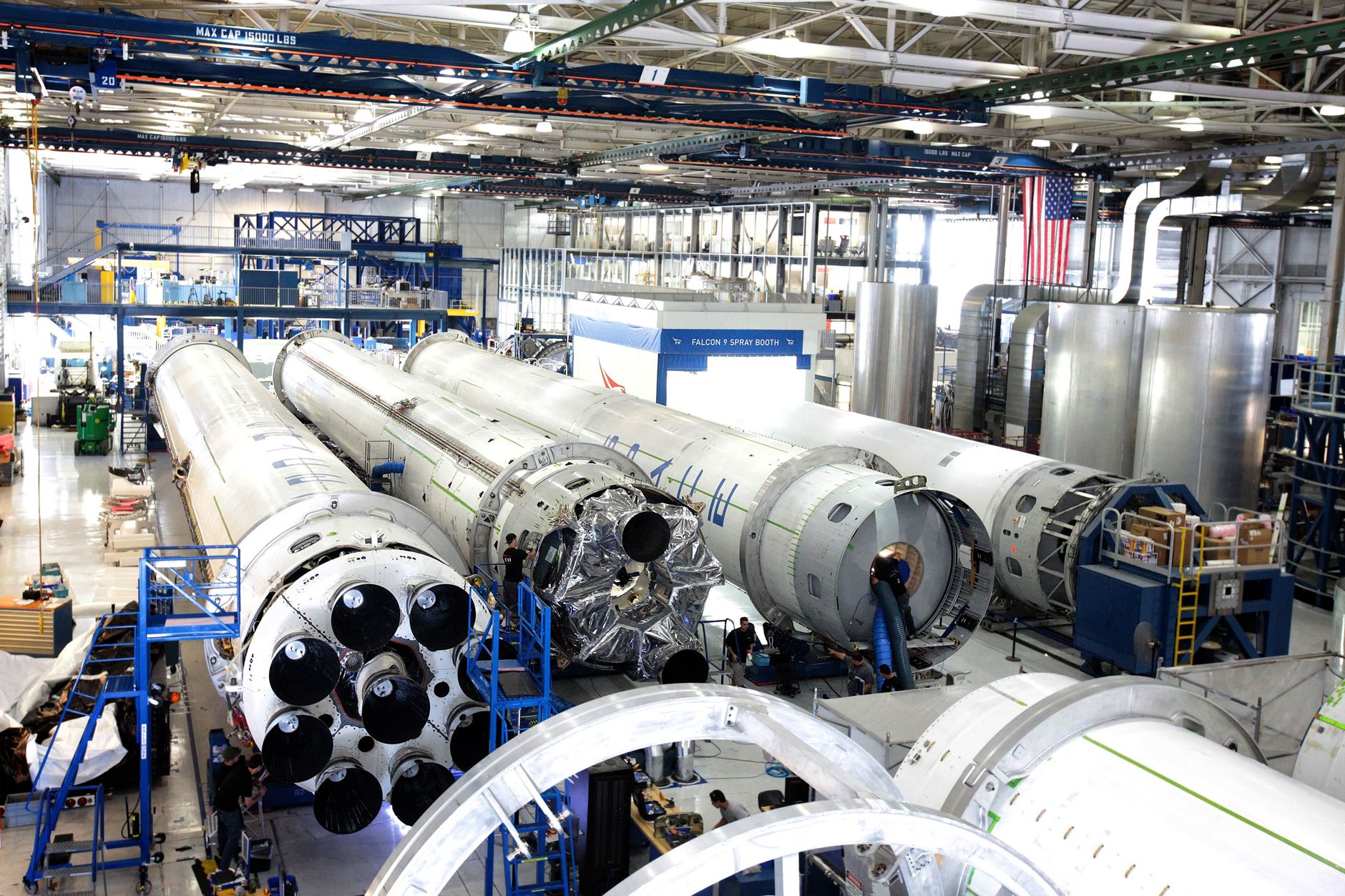
India's burgeoning private space sector is making headlines with an ambitious technological leap that could place the country among the elite in advanced rocket propulsion. A private Indian space company is developing a full-flow staged combustion cycle rocket engine, a feat that until now has only been accomplished by SpaceX with its Raptor engine.
What Makes This Engine Special
The full-flow staged combustion cycle represents one of the most efficient and complex rocket engine designs ever conceived. Unlike traditional rocket engines that waste some propellant, this design uses pre-burners to convert all the propellant into gas before it enters the main combustion chamber. This results in significantly higher efficiency and thrust compared to conventional designs.
Traditional rocket engines typically use either gas-generator cycles or partial staged combustion cycles. In these systems, some propellant is burned separately to drive turbopumps, and the exhaust is either dumped overboard or only partially utilized. The full-flow design eliminates this waste entirely, extracting maximum energy from every drop of fuel.
India's Private Space Revolution
This development comes at a time when India's space sector is undergoing a historic transformation. Following reforms that opened space activities to private players, Indian startups have been competing to develop indigenous launch capabilities. While the Indian Space Research Organisation (ISRO) continues its government-led missions, private companies are now pursuing innovative technologies that could complement and expand India's space ecosystem.
The company behind this engine is betting on reusability and cost-effectiveness, two factors that have become crucial in the modern space economy. Reusable rockets dramatically reduce launch costs by allowing the same hardware to fly multiple missions, a concept SpaceX has proven with its Falcon 9 rockets.
Technical Challenges Ahead
Developing a full-flow staged combustion engine presents enormous engineering challenges. The system requires precise coordination between multiple turbopumps and pre-burners operating at extreme temperatures and pressures. Materials must withstand intense thermal stresses while maintaining structural integrity through repeated launch cycles.
Key technical hurdles include:
- Managing combustion instabilities in the pre-burners and main chamber
- Developing turbopumps capable of handling extremely hot, high-pressure gas
- Creating advanced cooling systems to protect engine components
- Achieving the precision manufacturing required for thousands of intricate parts
- Testing and validating the engine through numerous ground firings
SpaceX spent years and considerable resources developing the Raptor engine, experiencing multiple prototypes and test failures before achieving a reliable design. The Russian RD-270 engine attempted a similar cycle in the 1960s but never flew operationally, demonstrating the complexity involved.
Global Context and Competition
The global space industry has become increasingly competitive, with private companies in the United States, China, and Europe racing to develop next-generation launch systems. India's entry into advanced propulsion technology development signals the country's determination to be more than just a cost-effective launch provider.
China has also announced plans for similar engine technologies, while European companies are exploring various advanced propulsion concepts. However, only SpaceX has successfully flown and reflown rockets powered by full-flow staged combustion engines, giving it a significant head start.
Implications for India's Space Economy
Success in this venture could position India as a major player in the global commercial space market. Lower launch costs enabled by efficient, reusable engines would make Indian launch services more competitive internationally. This could attract foreign satellite operators and generate revenue while establishing India as a hub for space innovation.
The project also represents a maturing of India's space industrial base. Developing such complex technology requires advanced manufacturing capabilities, specialized materials, and a skilled workforce. These capabilities have spillover benefits for other high-tech industries.
Furthermore, the initiative demonstrates that Indian private enterprise can tackle moonshot engineering projects, potentially attracting investment and talent to the sector. Success would validate the government's decision to open the space sector and could encourage more startups to pursue ambitious goals.
The Road Ahead
While the announcement is promising, significant work remains before this engine powers an actual rocket to orbit. The company must complete development, conduct extensive testing, integrate the engine into a complete launch vehicle, and ultimately demonstrate successful flights.
The timeline for these milestones remains uncertain, as rocket development often encounters unforeseen challenges and delays. However, the mere attempt places India's private space sector on a trajectory toward technological sophistication that few nations have achieved.