
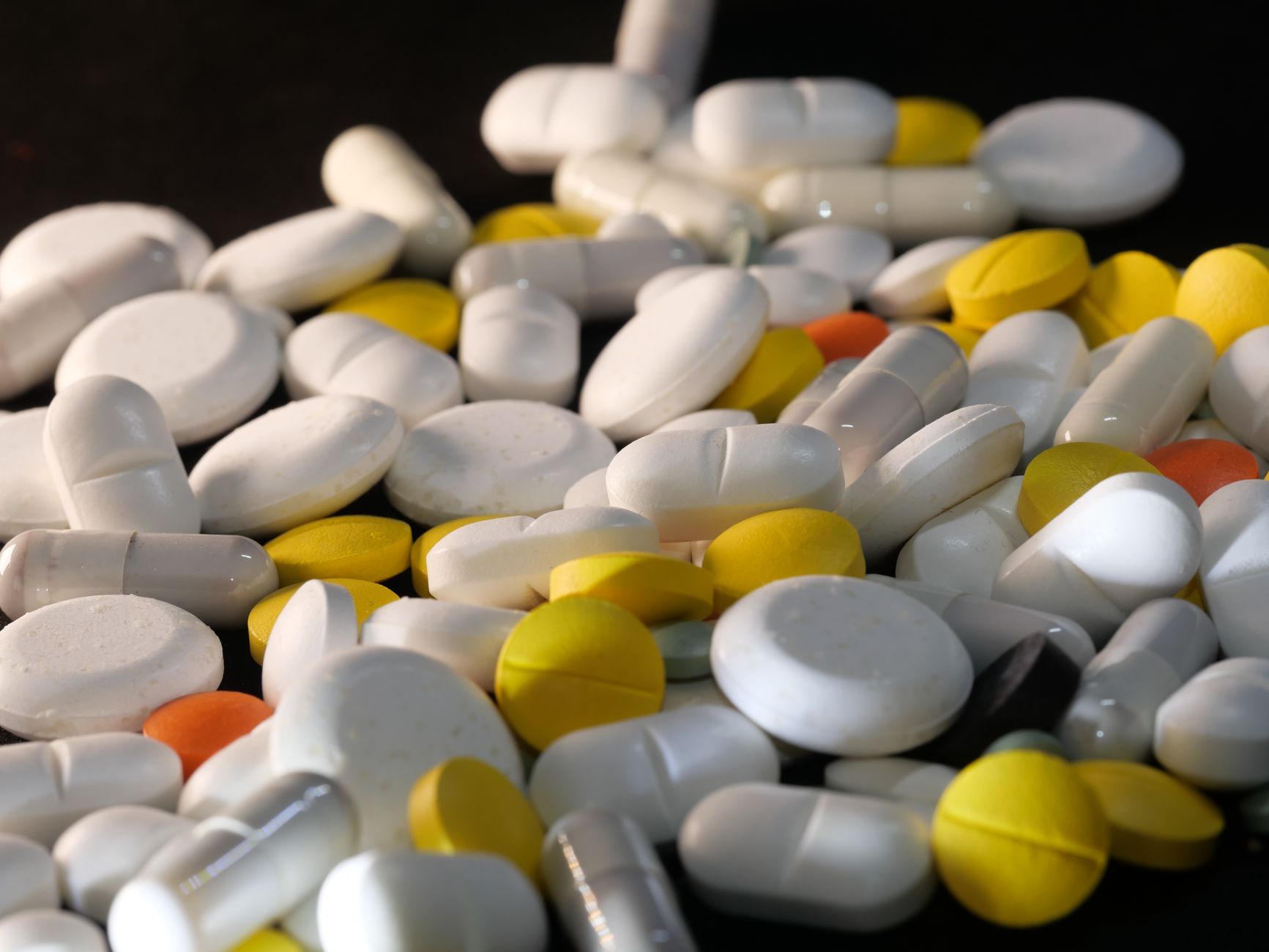
A comprehensive global study has raised alarm bells about antibiotic usage patterns in India, revealing that the country is disproportionately consuming powerful antibiotics that should be reserved for specific, serious infections. This trend threatens to accelerate antimicrobial resistance, a silent pandemic that could render common infections untreatable in the near future.
Understanding the Antibiotic Hierarchy
Antibiotics are classified into different categories based on their spectrum of activity and intended use. First-line antibiotics are meant for common infections, while broad-spectrum and reserve antibiotics are designed to tackle resistant or complex infections. The problem arises when these powerful medications become the default treatment for routine ailments, reducing their effectiveness when they're truly needed.
Reserve antibiotics, also called "last-resort" antibiotics, include drugs like carbapenems and polymyxins. These are meant to be used only when standard treatments fail, yet the study indicates India is using these medications far more frequently than recommended by global health guidelines.
Why India's Pattern Is Concerning
India's high consumption of powerful antibiotics stems from multiple factors embedded in the healthcare system and public behavior. Over-the-counter availability of antibiotics without prescriptions remains common in many areas, despite regulations. Patients often demand quick fixes for viral infections like common colds, which don't respond to antibiotics at all, yet physicians may prescribe them to satisfy patient expectations or as a precautionary measure.
The private healthcare sector, which serves a significant portion of India's population, sometimes lacks standardized antibiotic stewardship programs. Without proper protocols, doctors may prescribe broader-spectrum antibiotics than necessary, either due to diagnostic uncertainty or to ensure comprehensive coverage.
Additionally, incomplete courses of antibiotics contribute to resistance. When patients stop taking medication once symptoms improve rather than completing the prescribed course, surviving bacteria can develop resistance mechanisms.
The Antimicrobial Resistance Crisis
Antimicrobial resistance occurs when bacteria evolve to survive drugs designed to kill them. This natural process is dramatically accelerated by antibiotic misuse and overuse. When reserve antibiotics are used routinely, bacteria previously susceptible to these medications develop resistance, leaving fewer treatment options for serious infections.
India already bears a significant burden of drug-resistant infections. Multi-drug resistant tuberculosis, resistant typhoid strains, and hospital-acquired infections with limited treatment options are becoming increasingly common. The country accounts for a substantial proportion of global deaths attributable to antimicrobial resistance.
Global Comparison and Implications
The study's global perspective reveals that high-income countries generally maintain better antibiotic stewardship, with more judicious use of reserve antibiotics. They implement stricter prescription controls, comprehensive surveillance systems, and public awareness campaigns about appropriate antibiotic use.
In contrast, countries with growing economies but developing healthcare infrastructure, including India, show patterns of both underuse in rural areas where access is limited and overuse in urban centers where antibiotics are readily available. This creates a perfect storm for resistance development.
Steps Toward Solution
Addressing India's antibiotic overuse requires multi-pronged interventions. Strengthening prescription regulations and enforcing restrictions on over-the-counter antibiotic sales is fundamental. Many states have begun implementing these measures, but enforcement remains inconsistent.
Healthcare facilities need robust antibiotic stewardship programs that include:
- Regular training for healthcare providers on appropriate prescribing
- Institutional guidelines based on local resistance patterns
- Audit and feedback systems to monitor prescription practices
- Rapid diagnostic tools to identify bacterial infections and their susceptibilities
Public awareness campaigns must educate people that antibiotics don't work for viral infections and that completing prescribed courses is essential. The "self-medication" culture, where people take leftover antibiotics from previous illnesses or share medications with family members, needs to change.
The Path Forward
The Lancet study serves as a crucial wake-up call for India's healthcare system. While the country has made significant strides in healthcare delivery and pharmaceutical manufacturing, antibiotic stewardship remains a critical gap. The Indian government has launched the National Action Plan on Antimicrobial Resistance, but implementation at the grassroots level requires sustained commitment and resources.
The stakes are high. Without immediate action, common infections could become life-threatening, routine surgeries could become high-risk procedures, and decades of medical progress could be reversed. Preserving the effectiveness of antibiotics, especially powerful reserve drugs, is not just a medical priority but a matter of public health security for future generations.
This article is for general informational purposes only and should not be considered medical advice. Always consult qualified healthcare professionals for medical guidance and treatment decisions.