
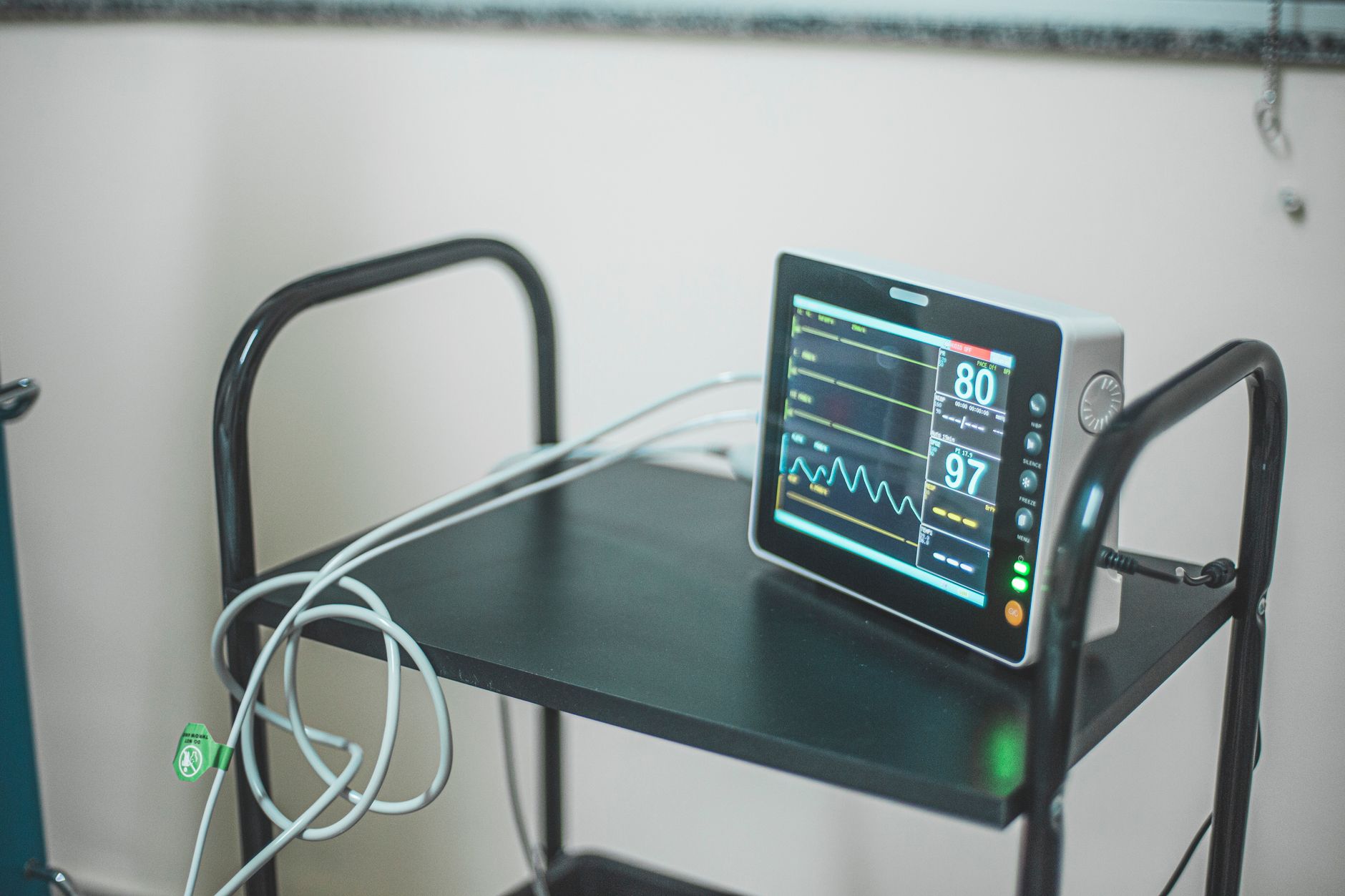
India's medical device sector is poised for a significant transformation as the government intensifies efforts to build a robust domestic manufacturing ecosystem. The upcoming India Medical Device 2026 conference represents a crucial platform where policymakers, industry leaders, and healthcare professionals will converge to chart the future of medical technology in the country.
The Current State of India's Medical Device Industry
India's medical device market has witnessed substantial growth over the past decade, currently valued at approximately USD 11 billion and projected to reach USD 50 billion by 2030. However, the country remains heavily dependent on imports, with nearly 80 percent of medical devices being sourced from abroad, primarily from the United States, Germany, Singapore, and China. This dependence has exposed vulnerabilities in healthcare supply chains, particularly evident during the COVID-19 pandemic when global disruptions affected the availability of critical medical equipment.
The medical device sector encompasses a wide range of products including diagnostic equipment, surgical instruments, implants, monitoring devices, and disposable supplies. From simple tongue depressors to sophisticated MRI machines, these products are essential for modern healthcare delivery across hospitals, clinics, and diagnostic centers nationwide.
Government Initiatives to Boost Domestic Manufacturing
The Indian government has launched several initiatives to encourage local manufacturing and innovation in the medical device sector. The Production Linked Incentive scheme for medical devices, introduced with an outlay of Rs 3,420 crore, aims to attract investments and promote manufacturing of high-end medical devices within the country. This scheme offers financial incentives to companies that establish or expand manufacturing facilities and achieve specified production targets.
Additionally, the National Medical Devices Policy focuses on creating an enabling environment for the industry through infrastructure development, regulatory streamlining, and skill enhancement programs. The government has also established medical device parks in states like Andhra Pradesh, Tamil Nadu, Madhya Pradesh, and Himachal Pradesh to provide ready infrastructure and facilitate ease of doing business.
Regulatory Framework and Quality Standards
The medical device sector operates under stringent regulatory oversight to ensure patient safety and product quality. The Central Drugs Standard Control Organization regulates medical devices in India, with devices classified into four risk-based categories. Recent amendments to the Medical Device Rules have aligned Indian regulations with global standards, making it easier for manufacturers to comply with requirements and access international markets.
The government has been working to streamline approval processes, reduce time-to-market for new devices, and establish robust post-market surveillance mechanisms. These efforts aim to balance the need for patient safety with the imperative to foster innovation and entrepreneurship in the sector.
Challenges Facing the Industry
Despite favorable policies, the medical device industry in India faces several challenges. Limited research and development capabilities, inadequate skilled workforce, high capital requirements for advanced manufacturing, and competition from established international players pose significant hurdles. Many Indian manufacturers focus on low-end devices and disposables, while high-value sophisticated equipment continues to be imported.
Infrastructure gaps, particularly in testing and calibration facilities, add to manufacturing costs. Additionally, price controls on certain categories of medical devices, while aimed at improving affordability, have sometimes deterred investment in domestic manufacturing.
The Road Ahead: Vision for 2026 and Beyond
The India Medical Device 2026 conference is expected to address these challenges and outline strategies for accelerating sector growth. Key focus areas likely include promoting innovation through research partnerships between industry and academic institutions, developing specialized training programs to create a skilled workforce, facilitating technology transfer agreements, and encouraging startups in the medical technology space.
The government is also expected to emphasize export promotion, positioning India as a global hub for cost-effective, quality medical devices. With the country's strong pharmaceutical manufacturing base, technical talent pool, and growing healthcare infrastructure, India has the potential to emerge as a significant player in the global medical device market.
As healthcare needs evolve and technologies advance, collaboration between government, industry, healthcare providers, and research institutions will be crucial. The conference represents an important step toward building a self-reliant medical device ecosystem that can meet domestic healthcare needs while contributing to global health security.