
India is preparing to host the 16th BRICS Health Ministers' meeting in Chandigarh, scheduled for July 22-24. This gathering represents a significant moment for international health cooperation as representatives from BRICS member nations convene to address shared healthcare challenges and opportunities.
Understanding BRICS and Its Health Cooperation
BRICS is an intergovernmental organization comprising Brazil, Russia, India, China, and South Africa, which together represent a substantial portion of the world's population and economic output. In recent years, the bloc has expanded to include additional members, including Egypt, Ethiopia, Iran, and the United Arab Emirates, making it an even more influential platform for global cooperation.
The Health Ministers' meetings within BRICS have become increasingly important forums for addressing transnational health issues. These gatherings allow member countries to share best practices, coordinate responses to health emergencies, and develop collaborative frameworks for improving healthcare access and outcomes across their diverse populations.
Key Topics Likely on the Agenda
While specific agenda items will be finalized closer to the meeting dates, BRICS Health Ministers' meetings typically focus on several critical areas:
- Strengthening health systems and universal health coverage
- Antimicrobial resistance and infectious disease control
- Traditional medicine integration and research
- Digital health innovations and telemedicine expansion
- Pharmaceutical cooperation and vaccine development
- Non-communicable disease prevention strategies
- Health workforce development and capacity building
The COVID-19 pandemic has underscored the importance of such multilateral health cooperation platforms. Member nations learned valuable lessons about pandemic preparedness, vaccine distribution, and the need for coordinated international responses to health emergencies.
India's Role as Host Nation
As the host country, India brings considerable expertise to the table. The nation has made significant strides in healthcare delivery, pharmaceutical manufacturing, and digital health innovations. India's generic pharmaceutical industry supplies affordable medicines to countries worldwide, and its vaccine production capacity has proven crucial during global immunization campaigns.
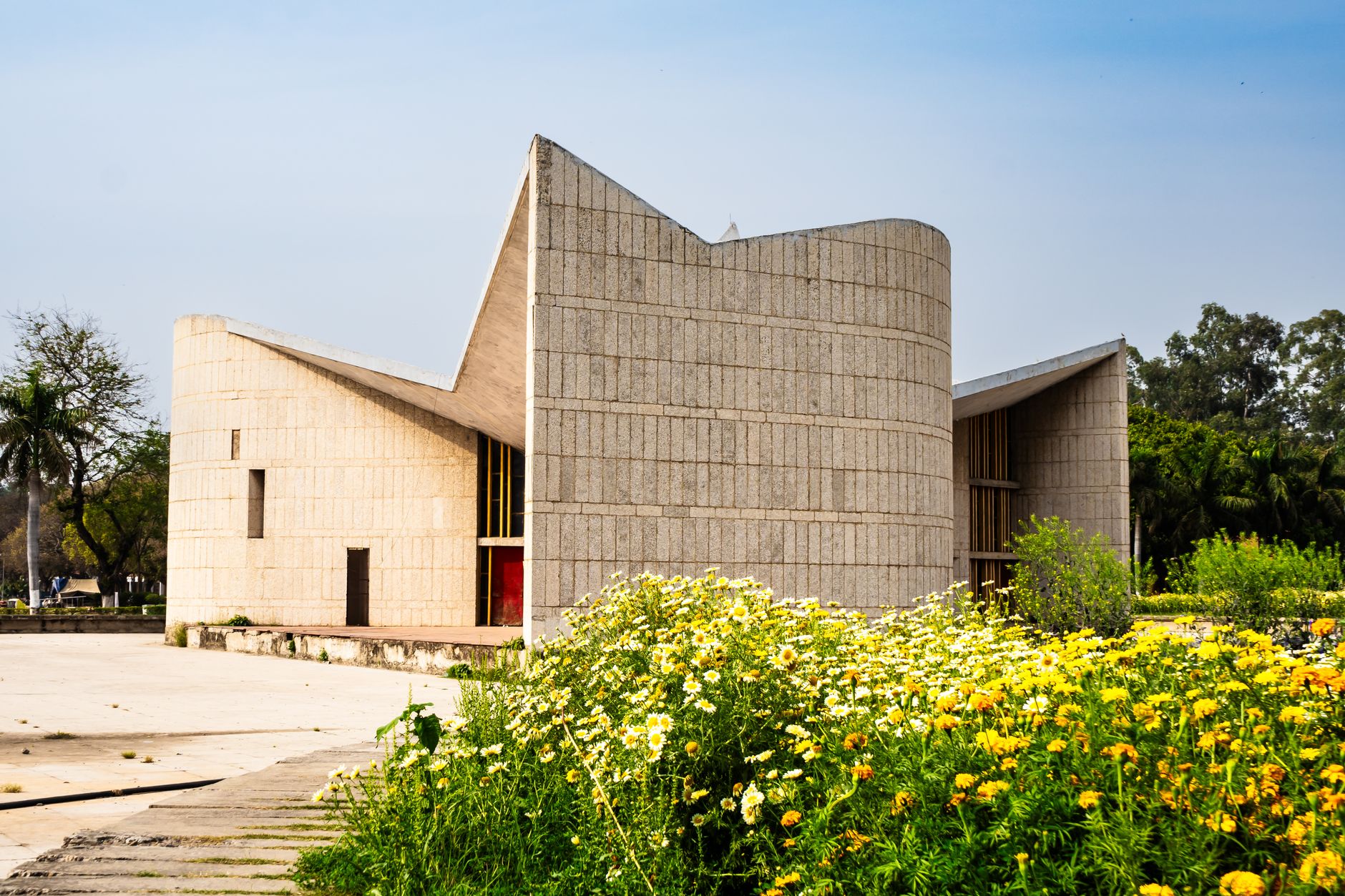
Chandigarh, the meeting venue, is a well-planned city with modern infrastructure and facilities suitable for hosting international diplomatic gatherings. The city serves as the capital of both Punjab and Haryana states and offers a blend of administrative efficiency and cultural richness.
Significance for Global Health Cooperation
The BRICS Health Ministers' meeting carries implications beyond its member states. Decisions and collaborations forged during such meetings can influence global health policies, particularly regarding access to essential medicines, disease surveillance systems, and health emergency preparedness.
BRICS nations collectively face similar healthcare challenges, including managing large populations, addressing both communicable and non-communicable diseases, and ensuring equitable healthcare access in diverse geographic and socioeconomic contexts. Their collaborative efforts can generate scalable solutions applicable to other developing nations.
Traditional Medicine and Innovation
One unique aspect of BRICS health cooperation has been the emphasis on traditional medicine systems. India's Ayurveda, China's traditional Chinese medicine, and other indigenous healing practices represent valuable knowledge systems. The integration of traditional and modern medicine has been a recurring theme in BRICS health discussions, with member nations exploring evidence-based approaches to validate and incorporate traditional practices into mainstream healthcare.
Expected Outcomes
BRICS Health Ministers' meetings typically conclude with joint declarations or action plans outlining collaborative initiatives and commitments. These may include agreements on research partnerships, technology transfers, joint disease surveillance mechanisms, or frameworks for sharing medical resources during emergencies.
The meeting also provides opportunities for bilateral discussions between individual member nations, potentially leading to specific cooperation agreements on healthcare projects, medical training programs, or pharmaceutical collaborations.
Looking Forward
As global health challenges evolve with climate change, emerging infectious diseases, and demographic shifts, platforms like the BRICS Health Ministers' meeting become increasingly vital. The collective experience and resources of member nations position them to develop innovative solutions that can benefit not only their own populations but also contribute to global health security.
The Chandigarh meeting represents another step in strengthening South-South cooperation on healthcare, potentially creating models for international collaboration that prioritize equity, affordability, and sustainability in health systems development.