
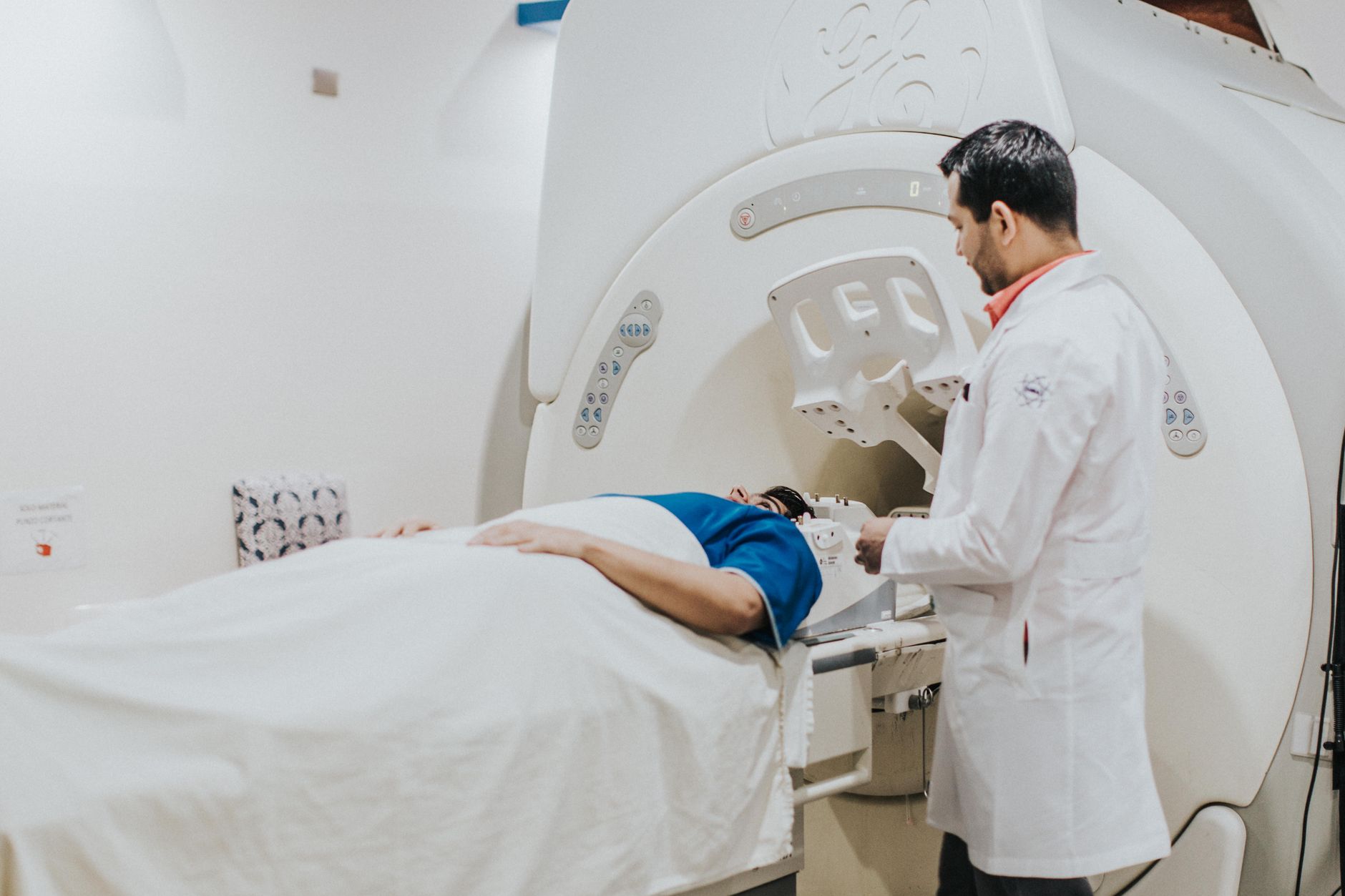
India's healthcare sector has emerged as one of the fastest-growing segments of the economy, recording impressive growth metrics in the financial year 2026. The expansion reflects a combination of increased healthcare spending, rising medical tourism, capacity buildouts, and growing health awareness among Indian consumers.
Factors Driving Healthcare Sector Growth
The healthcare industry's strong performance can be attributed to several interconnected factors that have created a favourable environment for expansion. Rising disposable incomes across urban and semi-urban India have enabled more families to access quality healthcare services. The penetration of health insurance, both government-sponsored and private, has made medical care more affordable for millions of Indians.
Government initiatives such as Ayushman Bharat and various state-level health schemes have expanded coverage to previously underserved populations. This has increased patient volumes at hospitals and healthcare facilities, particularly in tier-2 and tier-3 cities where healthcare infrastructure was historically limited.
The COVID-19 pandemic fundamentally changed how Indians view healthcare, creating lasting behavioural shifts. Preventive healthcare, regular health check-ups, and diagnostic services have seen sustained demand even as the immediate pandemic threat has receded. This awareness has translated into higher utilization of healthcare services across all segments.
Hospital Capacity Expansion and Infrastructure Investment
Major hospital chains and healthcare providers have undertaken significant capacity additions to meet growing demand. New hospitals, specialty clinics, and day-care centres have opened across the country, with particular focus on emerging cities. Many established hospital groups have announced ambitious expansion plans, adding thousands of beds to their networks.
The expansion extends beyond metro cities, with healthcare providers recognizing the untapped potential in smaller towns. Brownfield expansions at existing facilities and greenfield projects in new markets have both contributed to capacity growth. Investment in infrastructure includes not just bed capacity but also advanced medical equipment, specialized treatment centres, and integrated healthcare campuses.
Technology Integration and Digital Healthcare
Digital health solutions have become integral to the sector's growth story. Telemedicine platforms, electronic health records, AI-powered diagnostics, and remote patient monitoring have improved access and efficiency. Technology has enabled healthcare providers to serve more patients while maintaining quality standards.
The integration of technology has also improved operational efficiency for healthcare providers, reducing costs and improving patient outcomes. Hospital information management systems, automated laboratories, and digital imaging have streamlined workflows and enhanced diagnostic accuracy.
Medical Tourism and Specialty Care
India has strengthened its position as a preferred destination for medical tourism, attracting patients from neighbouring countries and beyond. The combination of high-quality medical care, experienced specialists, and cost advantages compared to Western countries has driven growth in this segment.
Specialty hospitals focusing on cardiac care, oncology, orthopaedics, and transplants have expanded their international patient programs. Purpose-built facilities catering to medical tourists, with multilingual staff and international accreditation, have enhanced India's competitiveness in this space.
Diagnostics and Ancillary Services Growth
The diagnostics sector has experienced particularly strong growth, driven by increased testing volumes, expansion of test menus, and home collection services. Pathology and radiology chains have expanded rapidly, establishing collection centres and imaging facilities across multiple cities.
Preventive health packages, routine monitoring for chronic diseases, and specialized diagnostic tests have all contributed to sector growth. The convenience of digital reports, online booking, and home sample collection has made diagnostic services more accessible.
Workforce Development and Quality Standards
Healthcare providers have invested significantly in human capital, recruiting and training doctors, nurses, and allied healthcare professionals. Medical colleges and nursing schools have expanded capacity to address workforce requirements. Continuous medical education and skill development programs have improved service quality.
Accreditation from national and international bodies has become increasingly common, with hospitals pursuing NABH, JCI, and other quality certifications. These quality initiatives have enhanced patient confidence and supported premium pricing for superior services.
Challenges and Future Outlook
Despite strong growth, the sector faces challenges including talent shortages in specialized fields, regulatory complexities, and the need for continued infrastructure investment. Healthcare affordability remains a concern for large segments of the population, requiring innovative financing solutions and insurance penetration.
The outlook for India's healthcare sector remains positive, supported by demographic factors, rising incomes, and government policy support. The sector is expected to continue attracting domestic and international investment, further accelerating its growth trajectory in coming years.
This article provides general information about the healthcare sector and should not be construed as medical, financial, or investment advice. Readers should conduct their own research or consult qualified professionals before making healthcare or investment decisions.