
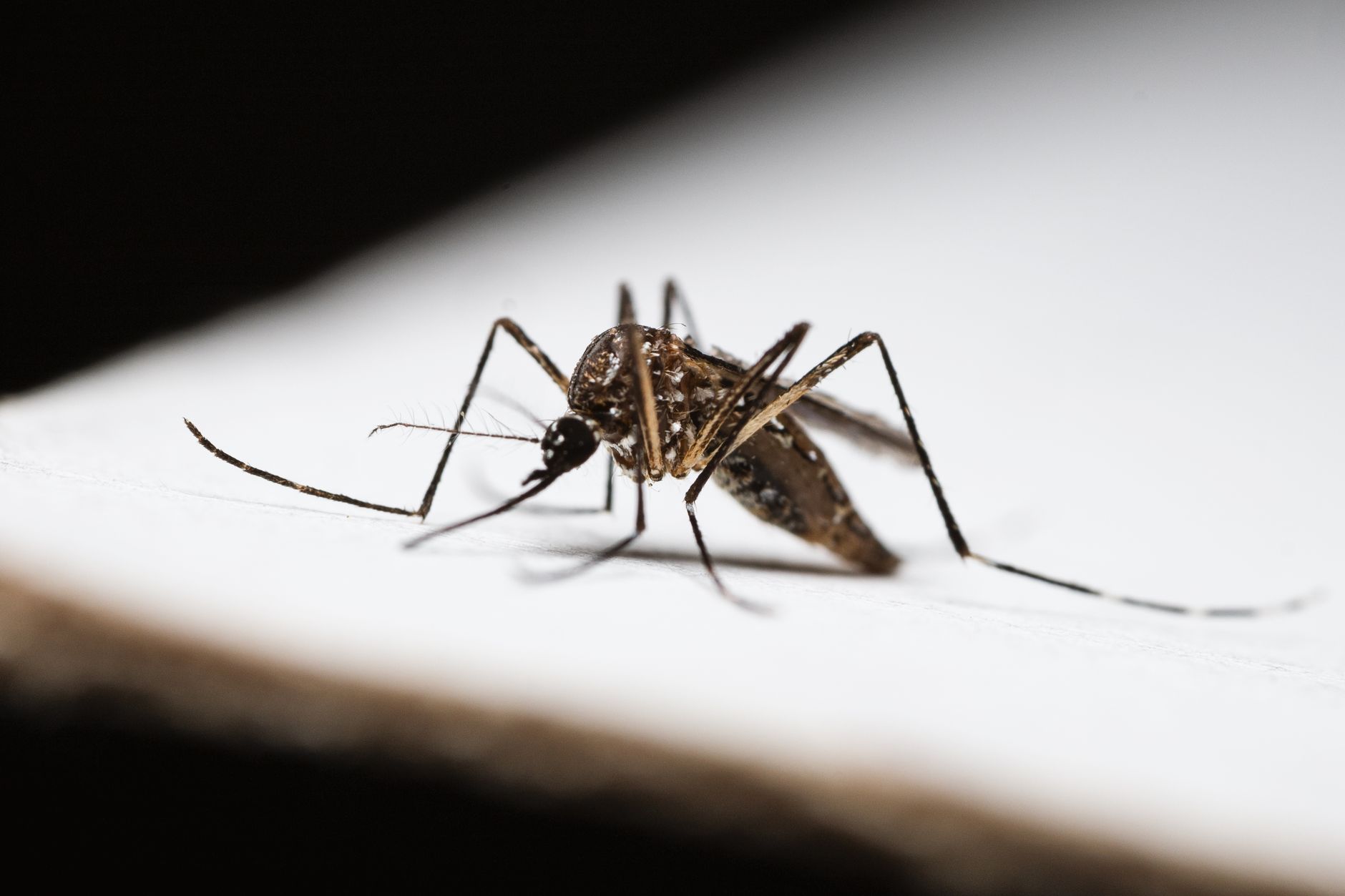
India's recent approval of the Qdenga dengue vaccine represents a major advancement in the fight against a disease that affects millions of Indians annually. However, the availability of a vaccine is only the first step in what must be a carefully orchestrated public health campaign to combat dengue effectively across the country.
Understanding India's Dengue Challenge
Dengue fever has been a persistent public health concern in India for decades. The mosquito-borne viral infection affects hundreds of thousands of people each year, with cases typically surging during and after the monsoon season. Urban areas with inadequate sanitation, stagnant water, and dense populations are particularly vulnerable to dengue outbreaks.
The disease presents in various forms, from mild fever to severe dengue, which can be life-threatening. Children and those with compromised immune systems face higher risks of severe complications. The economic burden is substantial, considering hospitalization costs, lost productivity, and the strain on healthcare infrastructure during outbreak periods.
The Qdenga Vaccine: What It Offers
The Qdenga vaccine, developed by Takeda Pharmaceutical Company, is designed to protect against all four dengue serotypes. This is crucial because infection with one serotype can increase the risk of severe disease if subsequently infected with a different serotype. The vaccine is administered in two doses, given three months apart, and is approved for individuals aged four to sixty years.
Clinical trials have demonstrated the vaccine's efficacy in reducing hospitalization and severe dengue cases. Unlike some earlier dengue vaccines that required prior infection history, Qdenga can be administered regardless of previous dengue exposure, making it more practical for widespread use.
The Strategy Gap
Despite this medical breakthrough, several critical questions remain unanswered about how India will deploy this vaccine effectively:
- Who will be prioritized for vaccination in a country of 1.4 billion people?
- How will the vaccine be priced to ensure accessibility across economic segments?
- Will it be included in the national immunization program or remain in the private sector?
- What role will state governments play in procurement and distribution?
- How will healthcare workers be trained to administer and monitor the vaccine?
Key Considerations For Implementation
Public health experts emphasize that a successful dengue vaccination strategy must be multifaceted. First, identifying high-burden areas through robust surveillance systems will help prioritize resource allocation. Cities and regions with consistently high dengue incidence should be targeted initially.
Second, the pricing structure will determine accessibility. If the vaccine remains expensive and available only through private healthcare, it may fail to reach the populations most affected by dengue, typically those in lower-income urban and peri-urban areas. Government subsidy or public procurement could bridge this gap.
Third, integration with existing vector control measures is essential. Vaccination cannot replace mosquito control efforts, including eliminating breeding sites, fogging operations, and community awareness programs. A comprehensive approach combining prevention and immunization will yield the best results.
Building Public Confidence
Any vaccination strategy must also address public awareness and acceptance. Many Indians may be unfamiliar with dengue vaccines, having relied solely on prevention and treatment approaches. Clear communication about the vaccine's benefits, safety profile, and limitations will be crucial.
Healthcare providers at primary health centers, community health workers, and ASHA workers can play pivotal roles in educating communities and addressing concerns. Transparent reporting of adverse events and outcomes will help build trust in the vaccination program.
Learning From Other Programs
India's successful experience with other vaccination programs, including the COVID-19 immunization drive and routine childhood immunizations, provides valuable lessons. The infrastructure developed for these programs, including cold chain logistics and digital tracking systems like CoWIN, could potentially be adapted for dengue vaccine distribution.
However, dengue vaccination presents unique challenges. Unlike one-time or annual vaccines, the two-dose schedule requires tracking and follow-up. Ensuring that recipients return for the second dose will be critical for program success.
The Path Forward
As India moves forward with the dengue vaccine, policymakers must develop a clear roadmap that addresses financing, distribution, target populations, and integration with existing health programs. Collaboration between central and state governments, private sector partners, and international health organizations will be essential.
The ultimate goal should be reducing dengue's disease burden while ensuring equitable access to this preventive tool. Without a well-designed strategy, even the most promising vaccine may fail to achieve its potential impact on public health.
This article is for general informational purposes only and should not be considered medical advice. Consult qualified healthcare professionals for personalized recommendations regarding dengue prevention and vaccination.