India has taken a landmark step in public health by approving QDENGA, the country's first dengue vaccine, for use in individuals aged 4 to 60 years. This approval represents a major breakthrough in combating dengue fever, a mosquito-borne viral disease that poses a significant health burden across the nation.
Understanding Dengue Fever in India
Dengue fever is transmitted by Aedes mosquitoes and affects millions of people in India each year, particularly during and after the monsoon season. The disease can range from mild flu-like symptoms to severe complications such as dengue hemorrhagic fever and dengue shock syndrome, which can be life-threatening.
India has consistently reported among the highest number of dengue cases globally, with outbreaks occurring regularly in both urban and rural areas. The disease causes high fever, severe headache, pain behind the eyes, joint and muscle pain, rash, and in severe cases, bleeding and organ damage.
About the QDENGA Vaccine
QDENGA is a live-attenuated vaccine developed to protect against all four dengue virus serotypes. The vaccine works by exposing the immune system to weakened forms of the virus, allowing the body to build immunity without causing the disease itself.
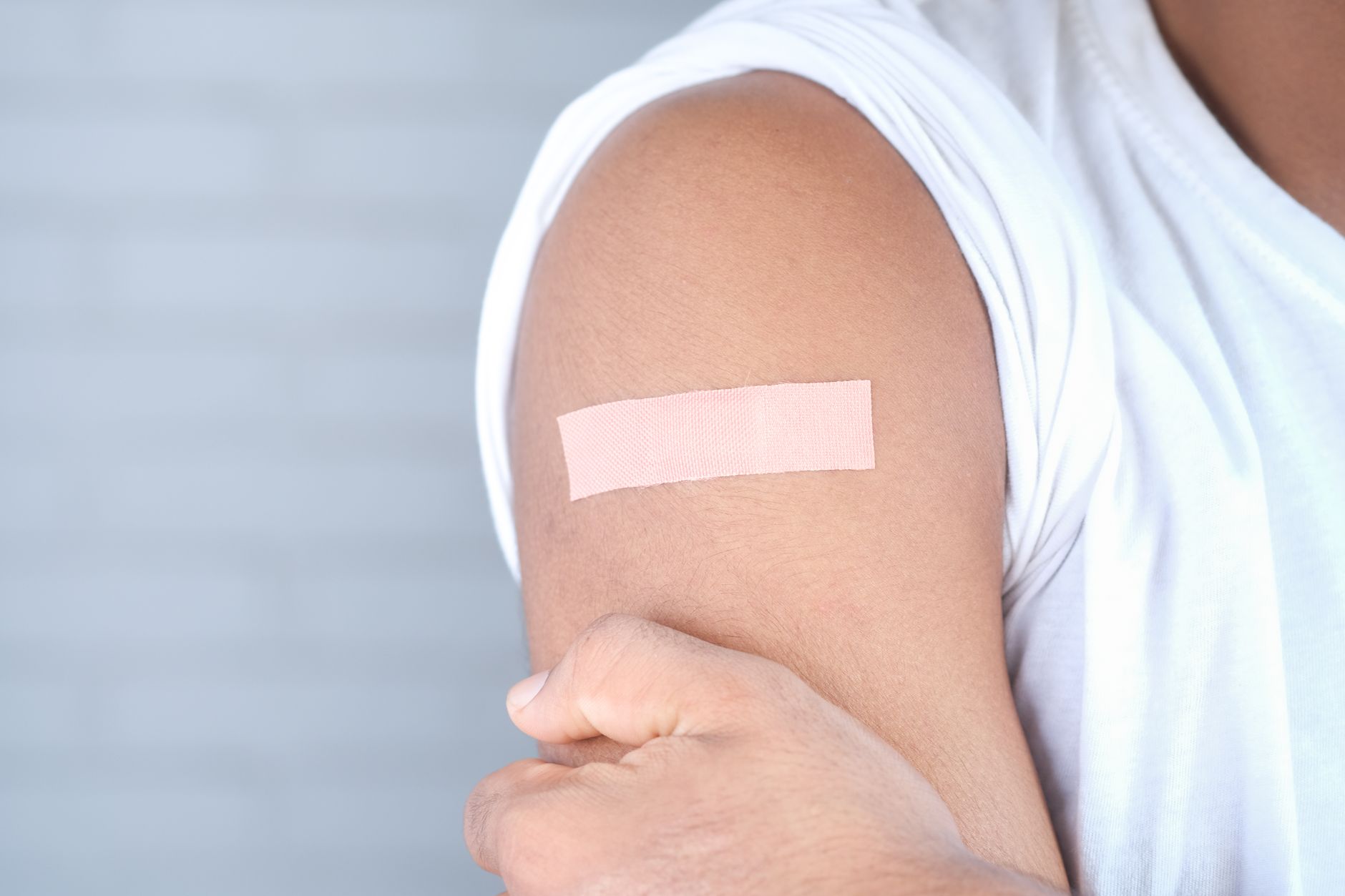
The vaccine is administered in a two-dose schedule, with the second dose given three months after the first. This vaccination regimen has been designed based on extensive clinical trials conducted across multiple countries with high dengue prevalence.
Who Should Consider Getting Vaccinated
The approved age range of 4 to 60 years covers the majority of the population most affected by dengue in India. Children and young adults are particularly vulnerable to severe dengue infections, making this vaccine especially relevant for these age groups.
Key groups who may benefit from the vaccine include:
- Residents of dengue-endemic areas
- Children attending schools in urban areas
- Healthcare workers with potential exposure
- Individuals with a history of previous dengue infection
- People living in regions with frequent dengue outbreaks
Significance for India's Public Health
The approval of QDENGA comes at a crucial time when dengue cases continue to surge across Indian cities and towns. Traditional control measures, which focus primarily on mosquito control through fogging and elimination of breeding sites, have had limited success in containing the disease spread.
A vaccine offers a complementary preventive strategy that can work alongside existing mosquito control programs. Public health experts believe that widespread vaccination could significantly reduce the disease burden, hospitalizations, and associated healthcare costs.
What This Means for Indian Families
For families living in dengue-prone areas, the vaccine provides an additional layer of protection beyond mosquito nets, repellents, and environmental management. Parents of young children, who are at higher risk of severe dengue complications, now have a preventive option to consider.
The vaccine's availability could be particularly valuable during peak dengue season, typically from July to November in most parts of India. However, vaccination should be viewed as part of a comprehensive prevention strategy rather than a complete replacement for other protective measures.
Practical Considerations
While the approval is a positive development, several practical aspects need consideration. The vaccine's cost, availability, and distribution network will determine how quickly it reaches the general population. Insurance coverage and government subsidy programs may play a crucial role in ensuring accessibility across different economic sections of society.
Healthcare providers will need to assess individual suitability for the vaccine, considering factors such as previous dengue infection history, current health status, and other medical conditions.
Continuing Prevention Measures
Despite vaccine availability, maintaining environmental hygiene and mosquito control measures remains essential. Communities should continue efforts to eliminate stagnant water sources where mosquitoes breed, use mosquito repellents, install window screens, and wear protective clothing during peak mosquito activity hours.
The combination of vaccination and traditional prevention methods offers the best approach to reducing dengue transmission and protecting vulnerable populations.
This article is for general informational purposes only and does not constitute medical advice. Individuals should consult qualified healthcare professionals to determine whether the dengue vaccine is appropriate for their specific health circumstances and to discuss potential benefits and risks.