
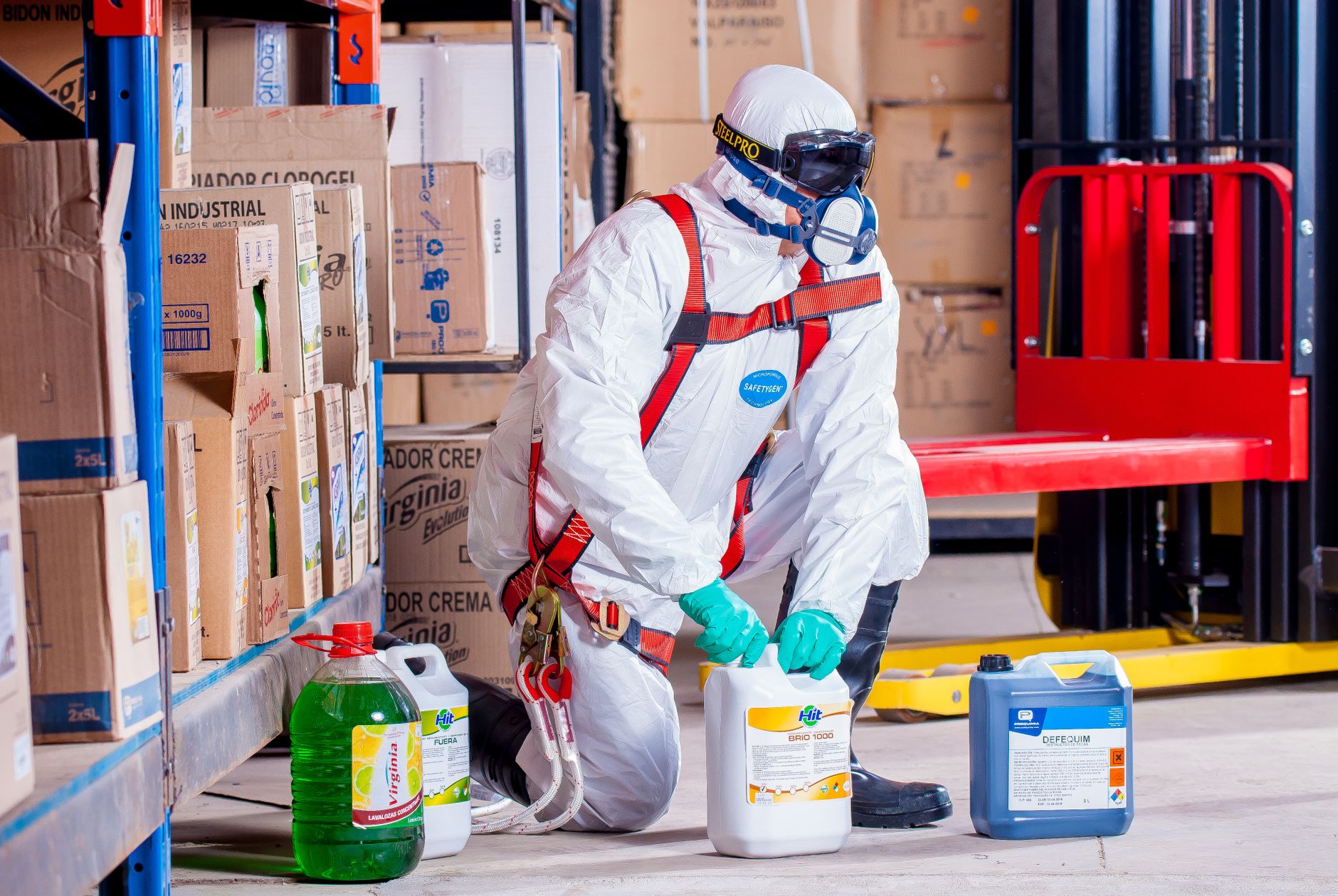
Food safety has emerged as a critical concern in India as authorities ramp up enforcement actions against adulteration practices that endanger public health. Recent crackdowns have exposed widespread use of hazardous chemicals in everyday food items, prompting urgent regulatory measures across states.
The Scale of the Problem
Food adulteration in India affects products ranging from milk and edible oils to spices, pulses, and packaged goods. Common adulterants include dangerous substances like synthetic colours, industrial-grade chemicals, and toxic preservatives that can cause immediate illness or long-term health complications including organ damage and cancer.
The Food Safety and Standards Authority of India (FSSAI) estimates that a significant percentage of food samples tested annually fail to meet safety standards. Urban and rural markets alike have been found selling adulterated products, with the problem particularly acute in the unorganized retail sector where monitoring remains challenging.
Hazardous Chemicals Under Scrutiny
Authorities have identified several recurring adulterants that pose severe health risks. Milk is frequently contaminated with urea, detergent, and formalin to increase shelf life and volume. Edible oils are often mixed with cheaper non-edible alternatives or mineral oils. Spices commonly contain lead chromate for enhanced colour, while pulses may be polished with industrial-grade oils.
Perhaps most alarming is the use of banned substances like metanil yellow in turmeric, rhodamine B in sweets, and malachite green in vegetables. These industrial dyes have documented carcinogenic properties and can cause neurological damage with prolonged exposure.
Enforcement Actions Intensify
State food safety departments have launched coordinated raids targeting production units, wholesale markets, and retail outlets. Recent operations have led to the seizure of tonnes of adulterated products and the closure of numerous illegal manufacturing facilities operating without proper licenses.
The FSSAI has strengthened its surveillance network by establishing dedicated food testing laboratories in district headquarters nationwide. Mobile testing units now conduct spot checks at markets, while surveillance officers conduct regular inspections of food business operators.
Penalties for food adulteration have been made more stringent, with violators facing hefty fines and imprisonment. The Food Safety and Standards Act prescribes penalties ranging from one lakh rupees to ten lakh rupees, with jail terms extending up to life imprisonment for offences causing death.
Technology in Detection
Modern detection methods have improved authorities' ability to identify adulterants quickly. Rapid test kits allow field officers to screen products on-site for common adulterants. Advanced laboratory equipment can detect even trace amounts of harmful substances through sophisticated chemical analysis.
Several states have launched mobile applications enabling consumers to report suspected adulteration and access test reports from government laboratories. This crowd-sourced approach has proven effective in identifying problematic sellers and products.
Consumer Awareness Initiatives
Recognizing that enforcement alone cannot solve the problem, authorities have launched public awareness campaigns educating consumers about identifying adulterated products. Simple home tests for common adulterants in milk, ghee, and spices are being widely promoted through social media and community programmes.
The FSSAI's Eat Right India movement emphasizes safe food practices and encourages consumers to purchase from licensed vendors, check FSSAI registration numbers, and report suspicious products through designated helplines.
Challenges Ahead
Despite enhanced enforcement, significant challenges persist. The vast size of India's food supply chain, with millions of small producers and vendors, makes comprehensive monitoring difficult. Limited testing infrastructure in remote areas leaves gaps in surveillance coverage.
Corruption within the enforcement system occasionally undermines crackdown efforts, while legal proceedings against violators can drag on for years. Additionally, the economic incentive for adulteration remains strong when profit margins from selling pure products are slim.
The Path Forward
Experts advocate for a multi-pronged approach combining stricter enforcement, better testing infrastructure, supply chain transparency through traceability systems, and stronger penalties that truly deter violations. Industry self-regulation and certification programmes could complement government efforts.
Ultimately, creating a culture of food safety requires sustained commitment from regulators, businesses, and consumers alike. As authorities continue their crackdown on hazardous chemicals and unsafe food networks, the goal remains clear: ensuring every Indian has access to safe, unadulterated food.
This article provides general information about food safety enforcement in India and should not substitute for specific health or legal advice. Consumers experiencing health issues from suspected food contamination should consult healthcare professionals immediately.