
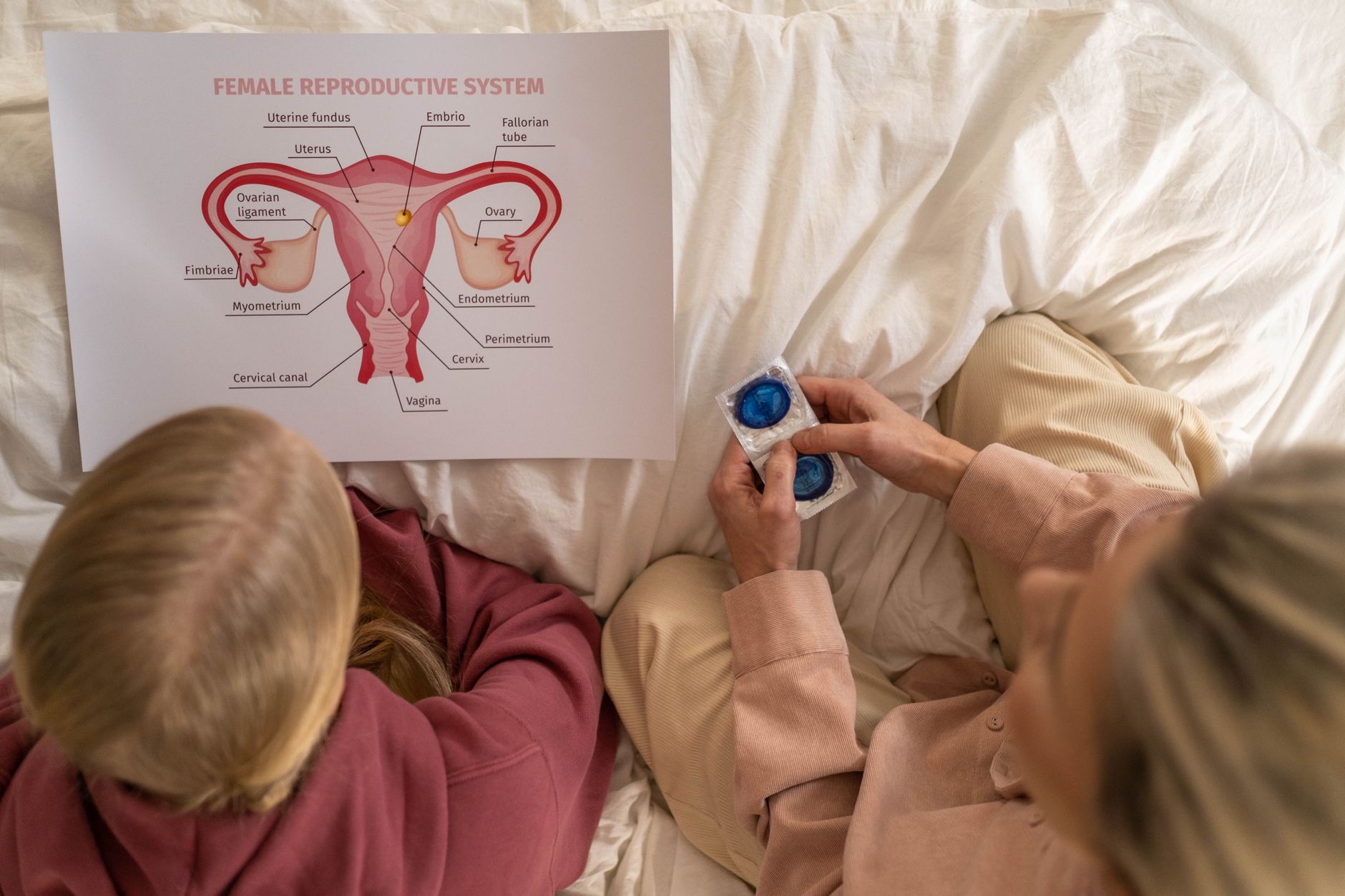
Female genital mutilation (FGM), also known as female genital cutting or female circumcision, refers to procedures that intentionally alter or cause injury to female genital organs for non-medical reasons. Recognized internationally as a violation of human rights, this practice continues to affect millions of girls and women across the globe, particularly in parts of Africa, the Middle East, and Asia.
What is Female Genital Mutilation
FGM encompasses all procedures involving partial or total removal of external female genitalia or other injury to female genital organs for cultural, religious, or other non-therapeutic reasons. The World Health Organization classifies FGM into four main types, ranging from partial removal of the clitoris to the most extreme form involving narrowing of the vaginal opening.
The practice is typically carried out on girls between infancy and age fifteen, though the age varies across different communities. In most cases, traditional practitioners perform the procedure using basic instruments and often without anesthesia or proper medical facilities, leading to immediate and long-term complications.
Health Consequences and Risks
FGM provides no health benefits whatsoever. Instead, it removes and damages healthy, normal genital tissue and interferes with natural bodily functions. The immediate complications can include severe pain, excessive bleeding, shock, difficulty urinating, infections, and even death.
Long-term consequences are equally serious and can persist throughout a woman's life:
- Chronic pain and infections
- Development of cysts and abscesses
- Urinary problems including painful urination and recurrent infections
- Menstrual difficulties with painful periods and difficulty passing menstrual blood
- Scar tissue formation and keloid development
- Sexual problems including pain during intercourse and decreased sexual satisfaction
- Increased risk of childbirth complications including difficulty during delivery and increased risk of newborn deaths
- Psychological trauma including depression, anxiety, and post-traumatic stress disorder
Why the Practice Persists
Understanding why FGM continues despite its harmful effects requires examining the complex social and cultural factors that sustain it. In communities where FGM is practiced, it is often deeply rooted in gender inequality and represents a manifestation of discrimination against women and girls.
Social acceptance and the desire to conform to community norms play significant roles. In some societies, FGM is considered a rite of passage into womanhood or a prerequisite for marriage. Families may fear social ostracism or believe their daughters will be unmarriageable if they do not undergo the procedure.
Misconceptions about religion also contribute to the practice's continuation, though FGM predates major religions and is not required by any religious text. Some communities mistakenly believe the practice is a religious obligation, when in fact religious leaders from various faiths have condemned it.
Other justifications include beliefs about hygiene, preservation of virginity, enhancement of fertility, or ideas about making women "proper" or "beautiful." None of these beliefs have any factual or medical basis.
Global Efforts and Legal Framework
More than 200 million girls and women alive today have undergone FGM in 30 countries where data is available. International organizations, governments, and grassroots movements have intensified efforts to eliminate the practice.
The United Nations has designated February 6th as the International Day of Zero Tolerance for Female Genital Mutilation, raising awareness and mobilizing action. The Sustainable Development Goals include a specific target to eliminate FGM by 2030.
Many countries have enacted laws specifically criminalizing FGM, and international human rights frameworks classify it as a form of violence against women and children. However, enforcement remains challenging, particularly in areas where the practice is deeply entrenched.
The Path Forward
Ending FGM requires comprehensive approaches that address the practice at multiple levels. Effective strategies include education programs that inform communities about the harmful consequences, engaging religious and community leaders as advocates for change, providing support for girls at risk, and ensuring proper enforcement of protective laws.
Healthcare providers play a crucial role in identifying girls at risk, treating complications, and counseling families. Importantly, survivors need access to specialized care and psychological support to address both physical and emotional trauma.
Progress is being made. In the past decade, the proportion of girls and women who support ending FGM has doubled in countries where the practice is concentrated. Community-led initiatives that respect cultural contexts while promoting change have shown particular promise.
This article is for general informational purposes only and does not constitute medical advice. If you or someone you know has undergone FGM or is at risk, please consult with qualified healthcare professionals and appropriate support organizations.