India stands at a critical juncture in its healthcare journey. With lifestyle diseases such as diabetes, hypertension, and heart conditions affecting increasingly younger populations, a new initiative seeks to transform how Indians approach their health. Mission Healthy India represents a shift from reactive treatment to proactive prevention, addressing the root causes of health problems before they escalate into chronic conditions.
The Growing Healthcare Crisis in India
India currently faces a dual burden of communicable and non-communicable diseases. According to various health surveys, lifestyle-related conditions now account for a significant portion of the disease burden, particularly in urban and semi-urban areas. The rise of sedentary jobs, processed food consumption, stress, and reduced physical activity has created a perfect storm for preventable health conditions.
The economic impact is equally concerning. Families often spend substantial portions of their income on treatment for conditions that could have been prevented through early intervention and lifestyle modifications. Hospitalizations, medications, and ongoing management of chronic diseases create financial strain on households and the broader healthcare system.
What Preventive Healthcare Means
Preventive healthcare focuses on keeping people healthy rather than treating them after they fall ill. This approach includes several key components:
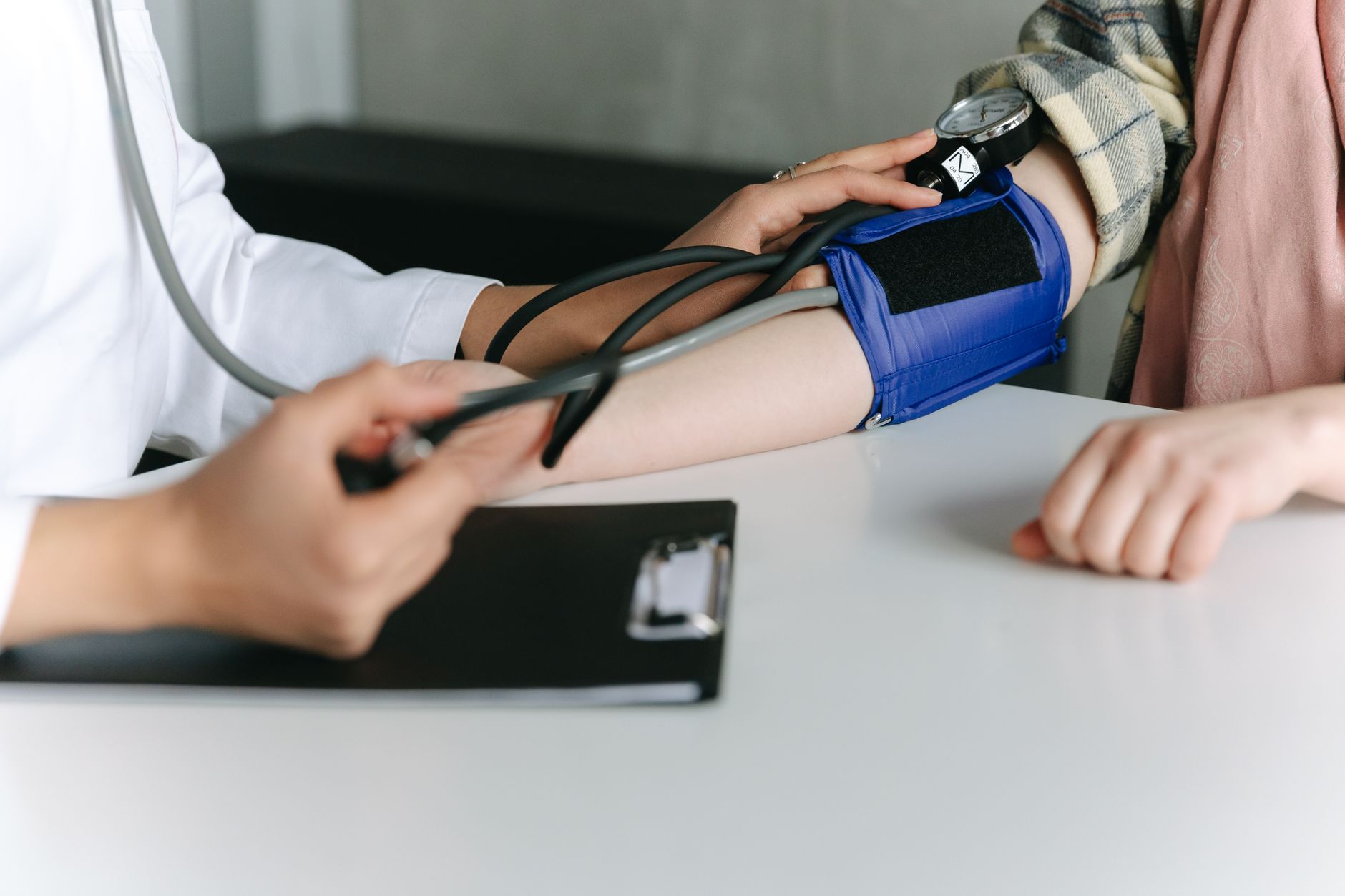
- Regular health screenings and check-ups to catch potential problems early
- Nutrition education and dietary guidance for balanced eating
- Physical activity promotion and exercise awareness
- Stress management techniques and mental health support
- Sleep hygiene and adequate rest education
- Avoiding harmful substances like tobacco and excessive alcohol
The philosophy underlying preventive healthcare is simple: an ounce of prevention is worth a pound of cure. By investing time and effort in healthy habits today, individuals can avoid costly and debilitating health problems tomorrow.
The Mission's Approach to Community Awareness
Effective healthcare awareness requires reaching people where they are. Mission Healthy India appears designed to engage communities through multiple channels, making health information accessible to diverse populations across urban and rural settings.
Community-based initiatives work because they account for local contexts, languages, and cultural practices. Rather than imposing one-size-fits-all solutions, successful preventive healthcare programs adapt to regional dietary patterns, traditional practices, and existing community structures.
Educational workshops, health camps, digital outreach, and collaboration with local healthcare providers can create a comprehensive network of support. When communities understand how simple daily choices affect long-term health outcomes, behavior change becomes more achievable.
Breaking Barriers to Healthcare Access
One major challenge in Indian healthcare is the gap between medical knowledge and public awareness. Many people lack basic information about nutrition, exercise, and warning signs of common health conditions. Additionally, myths and misconceptions about health often circulate without scientific correction.
Language barriers, literacy levels, and healthcare system navigation difficulties further complicate matters. Initiatives that simplify medical information and present it in accessible formats help bridge these gaps. Visual aids, vernacular content, and peer educators from within communities can make health literacy more achievable.
The Role of Lifestyle in Modern Health
Lifestyle factors contribute significantly to health outcomes, often more than genetic predisposition. What people eat, how much they move, their stress levels, and sleep quality collectively determine vulnerability to various diseases.
The modern Indian lifestyle has shifted dramatically over recent decades. Traditional diets rich in whole grains, vegetables, and minimal processing have given way to convenient but less nutritious options. Physical activity has decreased as transportation, entertainment, and work have become increasingly sedentary.
Reversing these trends requires both individual commitment and systemic support. When communities prioritize health together, positive changes become sustainable. Workplace wellness programs, school health education, and public spaces for physical activity all contribute to healthier populations.
Long-term Impact on Healthcare Systems
Preventive healthcare initiatives promise significant benefits beyond individual health. Healthcare systems strained by treating preventable conditions could redirect resources toward more complex care needs. Reduced disease burden means fewer hospitalizations, lower medication costs, and improved quality of life for millions.
The ripple effects extend to productivity, economic growth, and social well-being. Healthy populations work more effectively, require less sick leave, and contribute more fully to their communities. Children who grow up with health awareness are positioned to make better choices throughout their lives.
This article is for general informational purposes only and does not constitute medical advice. Readers should consult qualified healthcare professionals for personalized health guidance and treatment recommendations.