
Cancer remains one of India's most pressing healthcare challenges, with late-stage diagnosis contributing to poor survival rates. The introduction of Guardant Health's multi-cancer detection blood test through Dr Dangs Lab represents a potential game-changer in how Indians approach cancer screening and early detection.
What Is Multi-Cancer Detection Testing
Multi-cancer detection tests, often called liquid biopsies, analyze blood samples for circulating tumor DNA and other cancer-related biomarkers. Unlike traditional screening methods that target single cancer types, these advanced tests can identify signals from multiple cancers simultaneously through a simple blood draw.
The technology works by detecting fragments of DNA shed by tumors into the bloodstream. When cells die, including cancer cells, they release genetic material that carries specific signatures. Advanced sequencing technology can identify these signatures and determine whether they originate from cancerous growths and potentially which organs are affected.
Why This Matters for Indian Healthcare
India faces a unique cancer burden with over 1.4 million new cancer cases diagnosed annually. Many cancers are detected at advanced stages when treatment options are limited and survival rates are significantly lower. Traditional screening methods exist for only a handful of cancer types, leaving many others undetected until symptoms appear.
The availability of multi-cancer detection testing could address several critical gaps:
- Access to screening for cancers without established early detection methods
- Reduced need for multiple invasive procedures
- Earlier intervention opportunities leading to better outcomes
- Convenient testing option for high-risk individuals
How the Test Works
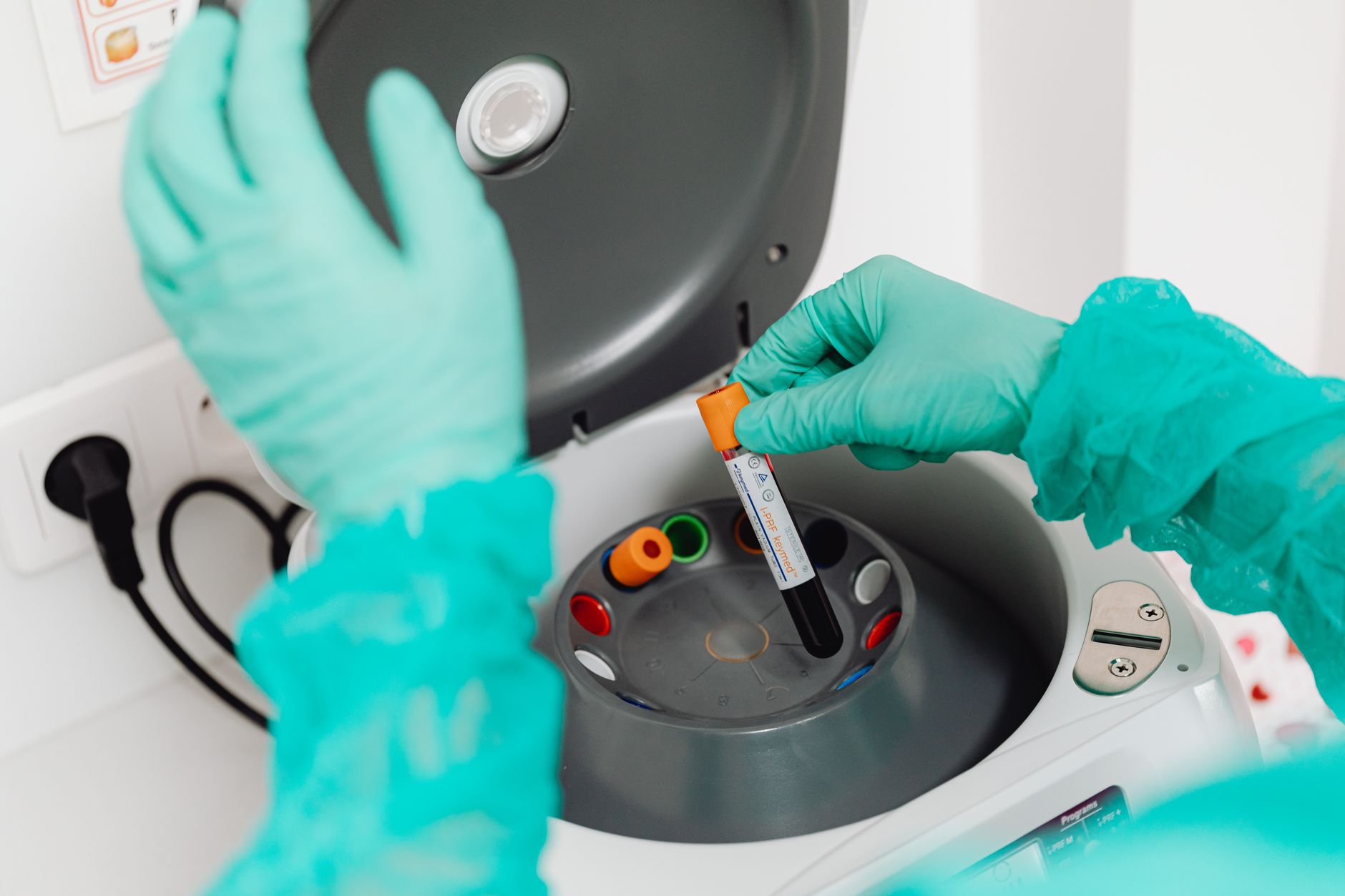
Patients undergo a simple blood draw, similar to routine blood work. The sample is processed using genomic sequencing technology that analyzes cell-free DNA circulating in the bloodstream. The test looks for methylation patterns and genetic alterations associated with cancer.
Results typically indicate whether a cancer signal was detected and may provide information about the likely tissue of origin. However, these tests are not diagnostic tools on their own. Positive results require follow-up imaging and confirmatory tests to locate and definitively diagnose cancer.
Who Should Consider This Test
Multi-cancer detection tests are generally recommended for adults at elevated cancer risk rather than as universal screening for the general population. Appropriate candidates might include:
- Individuals aged 50 and above with average cancer risk
- Those with family history of multiple cancers
- People with genetic predispositions to cancer
- Former cancer patients monitoring for recurrence
- Individuals unable to undergo traditional screening procedures
Healthcare providers typically assess individual risk factors before recommending such testing.
Limitations and Considerations
While promising, multi-cancer detection tests have limitations that patients should understand. False positives can occur, leading to anxiety and potentially unnecessary follow-up procedures. False negatives are also possible, where cancer exists but the test fails to detect it.
These tests are designed to complement, not replace, existing recommended cancer screenings like mammograms, colonoscopies, and pap smears. Established screening methods remain the gold standard for their respective cancer types.
The cost factor also matters in the Indian context. These advanced tests can be expensive and may not be covered by all insurance plans, potentially limiting accessibility for many Indians despite the technology being available.
The Future of Cancer Screening
The introduction of multi-cancer detection testing in India through established laboratories like Dr Dangs Lab signals growing acceptance of precision medicine approaches. As the technology matures and more validation studies are completed, these tests may become integral to comprehensive cancer screening strategies.
Research continues to improve test sensitivity and specificity while reducing costs. Future iterations may detect cancers even earlier and with greater accuracy, potentially transforming cancer from a disease often discovered too late into one routinely caught at its most treatable stages.
For now, the availability of this technology gives Indians another tool in the fight against cancer, particularly for cancers lacking established screening protocols. As awareness grows and costs potentially decrease, multi-cancer detection testing could become a standard component of preventive healthcare for at-risk populations.
This article is for general information purposes only and should not replace professional medical advice. Consult with qualified healthcare providers to determine appropriate cancer screening strategies based on your individual risk factors and medical history.