
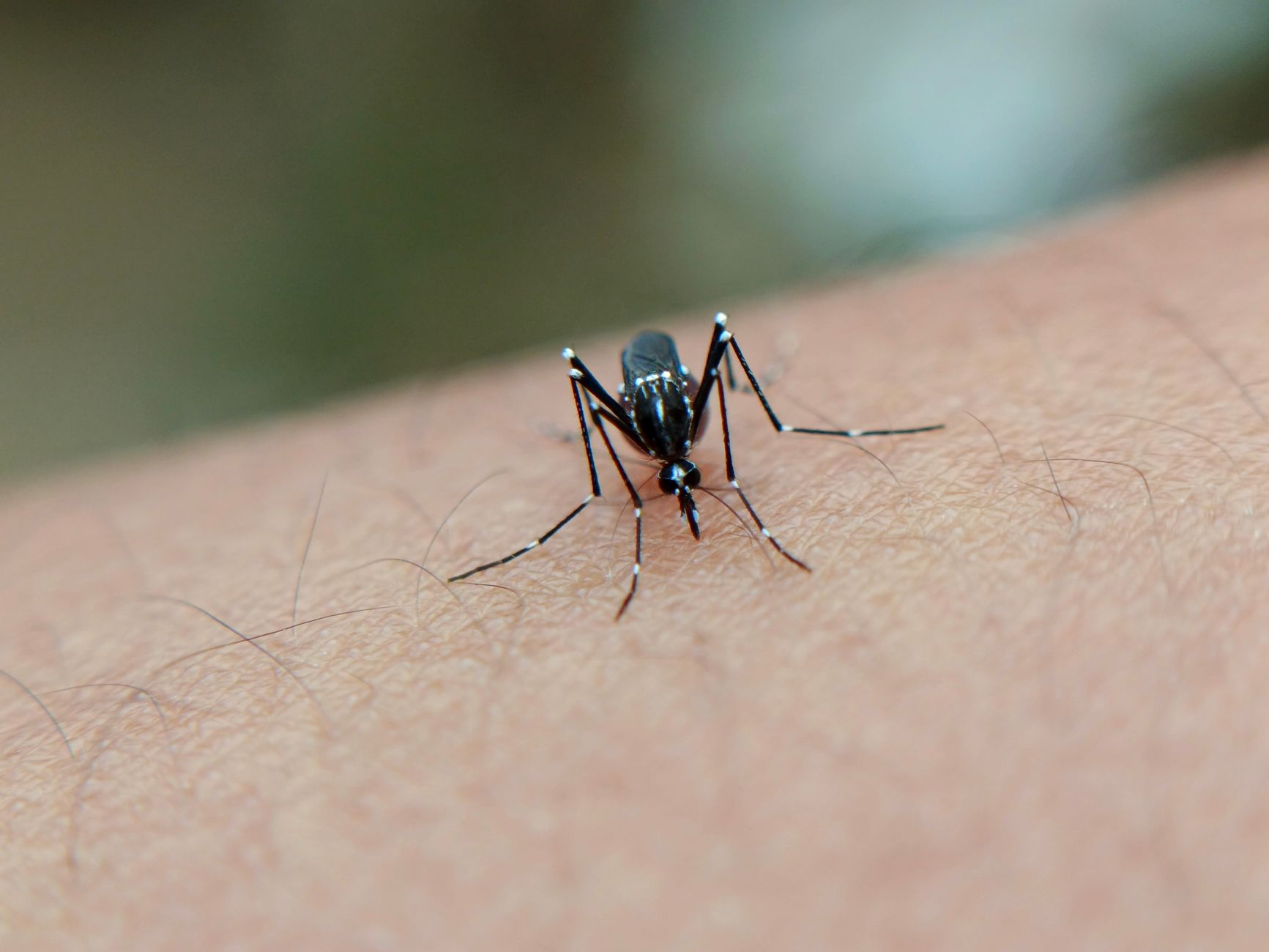
India's monsoon season has once again brought dengue fever to the forefront of public health concerns, even as the country makes progress against other vector-borne diseases like malaria and kala-azar. This shifting disease landscape, combined with the growing burden of non-communicable diseases, presents a unique dual challenge for the nation's healthcare system.
The Dengue Surge Explained
Dengue fever cases typically spike during and immediately after monsoon season due to increased mosquito breeding. The Aedes aegypti mosquito, which transmits dengue, thrives in stagnant water that accumulates in urban and semi-urban areas during heavy rainfall. Unlike malaria-carrying mosquitoes that breed in natural water bodies, dengue mosquitoes prefer clean, stagnant water found in household containers, coolers, flower pots, and discarded items.
This year's monsoon has created ideal breeding conditions across several states, leading to a significant uptick in reported cases. Urban areas are particularly vulnerable due to dense populations, inadequate waste management, and numerous potential breeding sites in residential areas.
Why Malaria and Kala-Azar Are Declining
While dengue cases rise, India has made remarkable progress in controlling malaria and kala-azar (visceral leishmaniasis). Several factors contribute to this success:
- Targeted vector control programs focusing on malaria-endemic regions
- Increased distribution of insecticide-treated bed nets in rural areas
- Improved diagnostic facilities and treatment protocols
- Better surveillance and reporting mechanisms
- Community awareness campaigns about preventive measures
The National Vector Borne Disease Control Programme has been instrumental in reducing malaria cases through systematic indoor residual spraying and larval control measures in affected areas. Similarly, the Kala-Azar Elimination Programme has achieved significant milestones through early case detection and treatment.
The Double Disease Burden
India now faces what health experts call a "double disease burden" – the simultaneous challenge of managing infectious diseases alongside a rapid increase in non-communicable diseases (NCDs). This dual challenge strains healthcare infrastructure and resources.
Non-communicable diseases such as diabetes, hypertension, cardiovascular disease, and cancer are rising sharply due to lifestyle changes, urbanization, dietary shifts, and an aging population. These chronic conditions require long-term management and create sustained pressure on healthcare systems.
The intersection of infectious and non-communicable diseases becomes particularly problematic during monsoon season. Patients with diabetes or cardiovascular conditions who contract dengue often experience more severe complications and require intensive care. This complicates treatment protocols and increases healthcare costs.
Prevention and Protection Measures
Individuals can take several steps to protect themselves from dengue during monsoon season:
- Eliminate stagnant water from all containers around homes and workplaces
- Use mosquito repellents, especially during early morning and evening hours
- Install mesh screens on windows and doors
- Wear full-sleeved clothing when outdoors
- Ensure proper waste disposal to prevent water accumulation
- Check and clean air coolers, flower vases, and other water-holding items weekly
Communities should organize regular clean-up drives to remove potential mosquito breeding sites from public spaces. Local authorities must ensure proper drainage systems and regular fogging in high-risk areas.
The Healthcare System Response
Healthcare systems must adapt to this evolving disease landscape through integrated approaches. This includes:
- Strengthening primary healthcare infrastructure to handle both acute infectious diseases and chronic NCD management
- Training healthcare workers in differential diagnosis of fever cases during monsoon
- Ensuring adequate supplies of diagnostic kits and treatments
- Developing referral systems for complicated cases requiring specialized care
- Implementing digital health solutions for better disease surveillance
Public awareness campaigns must emphasize both immediate monsoon-related health risks and long-term lifestyle modifications to prevent NCDs. Early detection and prompt treatment remain crucial for dengue management, as severe cases can progress rapidly to dengue hemorrhagic fever or dengue shock syndrome.
The changing disease pattern in India reflects both successes in controlling traditional infectious diseases and new challenges from urbanization and lifestyle changes. Addressing this double burden requires sustained investment in healthcare infrastructure, continued vigilance against vector-borne diseases, and comprehensive strategies for NCD prevention and management.
This article is for general informational purposes only and does not constitute medical advice. If you experience fever, severe body aches, or other symptoms during monsoon season, consult a qualified healthcare provider for proper diagnosis and treatment.