
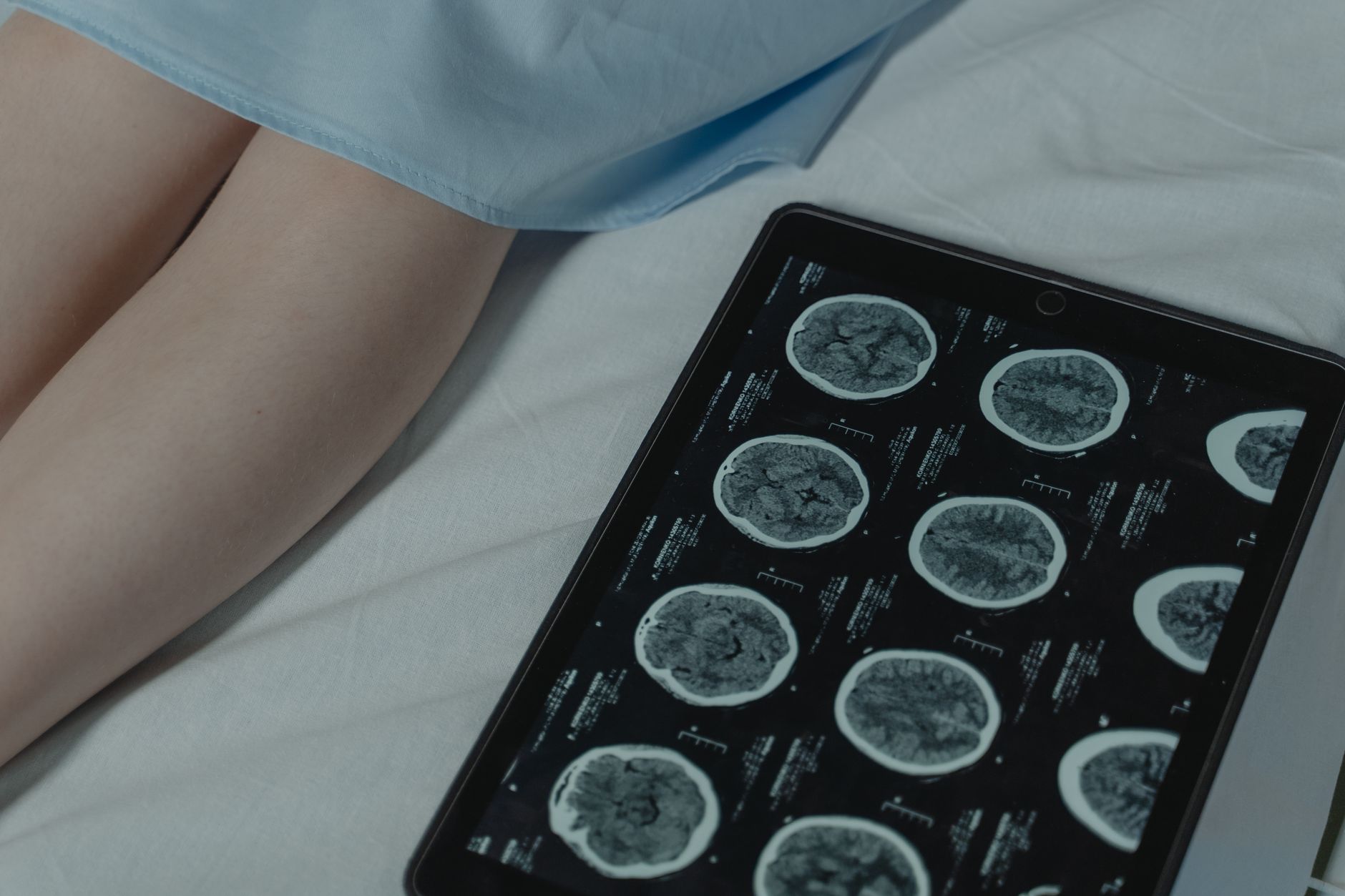
India is experiencing a troubling healthcare challenge as the incidence of brain and nervous system disorders continues to climb while the nation struggles with a severe shortage of trained neurologists. With a population exceeding 1.4 billion people, the country has fewer than 2,000 qualified neurologists, creating a dangerous gap between patient needs and available medical expertise.
The Scale of the Problem
The neurologist-to-population ratio in India stands at approximately 1:100,000, significantly lower than the recommended ratio of 1:20,000 suggested by the World Health Organization for developing countries. By contrast, developed nations like the United States maintain a ratio closer to 1:30,000. This disparity means millions of Indians with neurological conditions face extended wait times, delayed diagnoses, and inadequate treatment options.
The burden of neurological disorders in India has been steadily increasing over the past two decades. Studies estimate that neurological conditions affect more than 30 million people across the country, encompassing a wide range of disorders including stroke, epilepsy, Parkinson's disease, multiple sclerosis, migraine, and dementia. Stroke alone accounts for a significant portion of disability and mortality, with India reporting some of the highest stroke rates globally among younger populations.
Why the Shortage Exists
Several factors contribute to India's neurologist shortage. The limited number of medical colleges offering specialized neurology training creates a bottleneck in the education pipeline. Only a handful of institutions across the country provide post-graduate training in neurology, and the number of available seats remains insufficient to meet demand.
The distribution of neurologists poses another critical challenge. Most qualified specialists concentrate in major metropolitan areas and tier-one cities, leaving rural and semi-urban regions severely underserved. Approximately 70 percent of India's population lives in rural areas, yet the vast majority of neurologists practice in urban centers where infrastructure and earning potential are superior.
Economic considerations also play a role. Many newly trained neurologists prefer private practice in cities over positions in public hospitals or rural postings. The salary differential between private and government positions, combined with better facilities and working conditions in urban private hospitals, creates a powerful incentive for geographic concentration.
Impact on Patient Care
The shortage has profound implications for patient outcomes. Neurological conditions often require prompt diagnosis and intervention—stroke treatment, for example, is highly time-sensitive, with outcomes significantly better when patients receive care within the first few hours. Delays in accessing specialist care can result in permanent disability or death.
Patients in rural areas often must travel hundreds of kilometers to consult a neurologist, incurring substantial costs and losing valuable treatment time. Many cannot afford the journey or the consultation fees, leading to underdiagnosis and untreated conditions. General practitioners, while competent in many areas, may lack the specialized training needed to manage complex neurological disorders effectively.
The Rising Disease Burden
Multiple factors contribute to the increasing prevalence of neurological disorders in India. The country's aging population naturally leads to higher rates of age-related conditions like dementia and Parkinson's disease. Lifestyle changes, including increased stress, poor diet, sedentary behavior, and rising rates of hypertension and diabetes, elevate stroke risk.
Improved awareness and diagnostic capabilities also mean more cases are being identified than in previous decades. While this represents progress in some respects, it further strains an already overwhelmed healthcare system.
Potential Solutions
Addressing this crisis requires a multifaceted approach. Increasing the number of neurology training positions in medical colleges would expand the specialist pool over time. Incentivizing neurologists to work in underserved areas through loan forgiveness programs, higher salaries, or improved facilities could help distribute expertise more equitably.
Telemedicine presents a promising avenue for extending specialist care to remote areas. Virtual consultations can enable neurologists in urban centers to advise patients and guide local healthcare providers in rural regions, improving access without requiring physical relocation of specialists.
Task-shifting, where trained nurses and general practitioners manage routine neurological care under specialist supervision, could also alleviate pressure. Many common conditions can be effectively managed with appropriate protocols, reserving specialist time for complex cases.
This article provides general information about healthcare challenges in India and should not be considered medical advice. Individuals experiencing neurological symptoms should consult qualified healthcare professionals for proper diagnosis and treatment.