
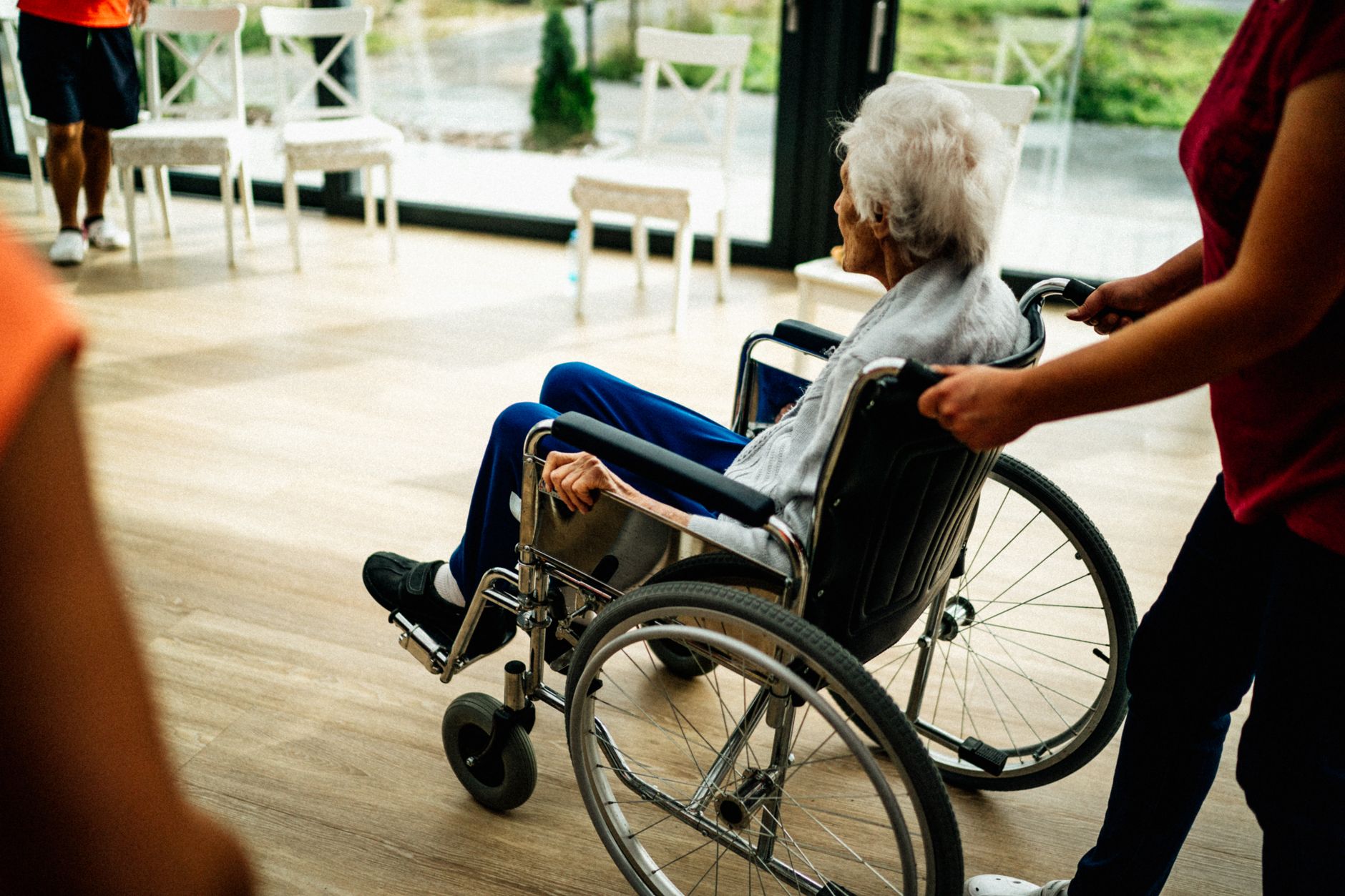
India stands at the cusp of a demographic transformation that will fundamentally reshape its healthcare needs. The country's elderly population, currently around 140 million people aged 60 and above, is projected to reach nearly 320 million by 2050. This unprecedented aging wave demands a radical rethinking of how healthcare is delivered, moving away from overcrowded hospitals toward more accessible, home-based care models.
The Changing Face of India's Demographics
India has long been celebrated as a young nation, but the reality is shifting rapidly. Improved life expectancy, declining fertility rates, and better living conditions mean more Indians are living into their 70s and 80s. This demographic dividend is transforming into a demographic challenge, particularly in states like Kerala, Tamil Nadu, and Punjab, where aging populations already strain existing healthcare infrastructure.
The elderly face unique health challenges including chronic conditions like diabetes, hypertension, arthritis, and cardiovascular diseases that require ongoing management rather than episodic hospital visits. Many also deal with mobility issues, making frequent trips to healthcare facilities burdensome for both patients and caregivers.
Why Hospitals Cannot Be the Only Answer
India's hospital infrastructure, already stretched thin, cannot accommodate the growing healthcare needs of an aging population. Urban hospitals are overcrowded, while rural areas face acute shortages of medical facilities. For elderly patients, hospital visits often mean long waits, exposure to infections, and the stress of navigating complex systems.
Moreover, many conditions affecting the elderly do not require hospital-level intervention. Regular monitoring, medication management, physiotherapy, and preventive care can be effectively delivered at home with appropriate systems in place. Hospital beds should be reserved for acute cases, not routine follow-ups or chronic disease management.
The Home Healthcare Revolution
Home healthcare services are emerging as a viable solution, offering medical care, nursing support, physiotherapy, and diagnostic services in the comfort of patients' homes. These services range from post-operative care and wound management to palliative care for terminally ill patients.
Technology is playing a crucial enabling role. Telemedicine platforms connect patients with doctors remotely, reducing the need for physical consultations. Wearable devices monitor vital signs like heart rate, blood pressure, and blood glucose levels, alerting healthcare providers to potential issues before they become emergencies. Mobile apps help elderly patients manage medications and schedule appointments.
Community-Based Care Models
Beyond individual homes, community health centers and primary care clinics must be strengthened to serve as the first point of contact for elderly patients. These facilities can handle routine consultations, basic diagnostics, and health screenings while referring complex cases to secondary or tertiary hospitals.
Several innovative models are emerging across India. Some residential complexes are partnering with healthcare providers to establish on-site clinics. NGOs are training community health workers to provide basic care and health education to elderly populations in underserved areas. Day care centers for the elderly offer social interaction alongside basic health monitoring.
Challenges and Solutions
The transition to home-based and community healthcare faces several obstacles:
- Shortage of trained home healthcare workers and nurses
- Lack of standardized protocols and quality assurance mechanisms
- Limited insurance coverage for home healthcare services
- Cultural preferences for hospital-based care among some families
- Inadequate last-mile connectivity in rural areas
Addressing these requires coordinated efforts from government, private sector, and civil society. Medical and nursing curricula must include geriatric care and home healthcare modules. Insurance policies, including government schemes like Ayushman Bharat, should expand coverage for home-based services. Quality standards and certification processes for home healthcare providers need to be established and enforced.
The Role of Family Caregivers
Family members, often women, bear the primary burden of elderly care in India. Supporting these caregivers through training programs, respite care services, and mental health support is essential. Caregiver burnout is real and can compromise the quality of care provided.
Looking Ahead
The shift toward home-based healthcare is not just about convenience; it is an economic and clinical imperative. Studies show that home healthcare can be more cost-effective while delivering better outcomes for chronic disease management and post-acute care. It allows elderly individuals to age with dignity in familiar surroundings, surrounded by family.
As India ages, the question is not whether healthcare should move closer to home, but how quickly we can build the infrastructure, train the workforce, and create the policy framework to make it happen at scale.
This article is for general informational purposes only and does not constitute medical advice. Readers should consult qualified healthcare professionals for specific medical concerns and treatment decisions.